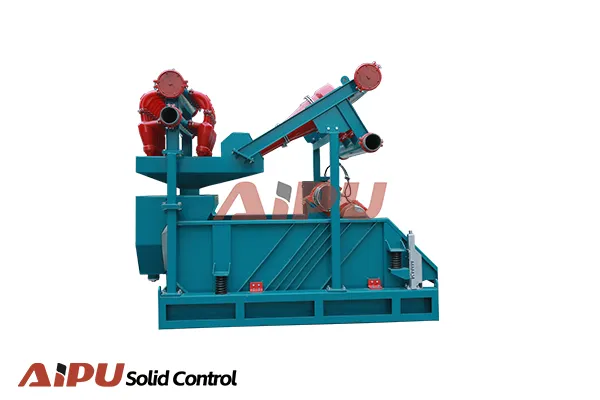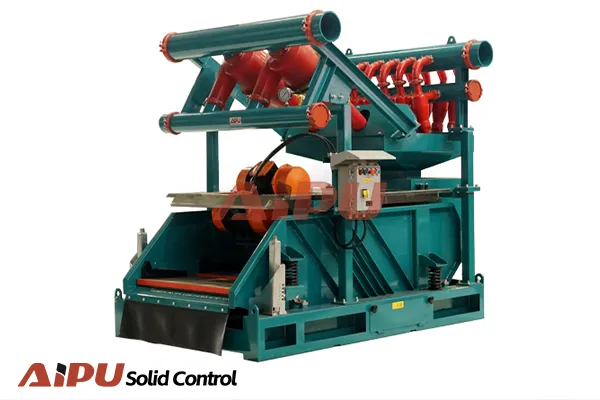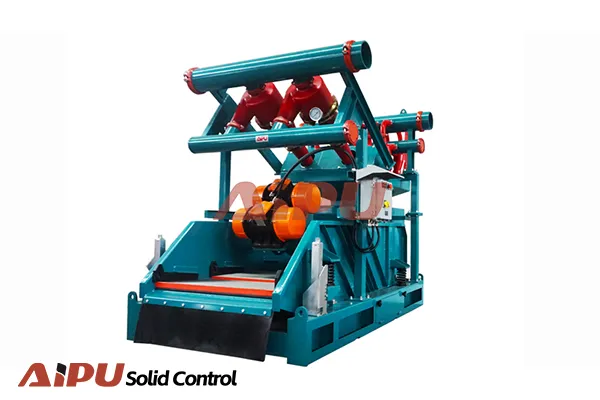
Proper shale shaker maintenance is the cornerstone of maximizing equipment longevity and ensuring consistent, efficient solids control on the drilling rig. Neglecting routine care can lead to premature wear, screen blinding, reduced processing capacity, and ultimately, costly unplanned downtime. A disciplined maintenance protocol directly translates to lower operational costs and improved drilling performance.
Daily and Pre-Shift Inspection Routines
Begin each shift with a thorough visual inspection. Check the screen tension; loose screens drastically reduce separation efficiency and can damage the panel. Inspect the screen for tears, holes, or significant blinding. Examine the vibrator motors for any signs of oil leaks, unusual noise, or excessive heat. Ensure all bolts, especially those on the vibrator mounts and screen frame, are tight. Verify that the rubber seals and gaskets around the screen frame are intact to prevent slurry bypass.
Screen Care and Replacement
Screens are the heart of the shale shaker. Handle them carefully during installation to avoid damage. Use recommended screen cleaning procedures, typically low-pressure water or specialized cleaners, avoiding high-pressure sprays that can distort the mesh. Never allow drilling fluid to dry on the screens. Replace screens immediately upon noticing damage or when their performance declines. Running damaged screens harms the shaker's structural integrity and allows solids to contaminate the drilling fluid system.
Lubrication and Vibration System Health
Follow the manufacturer's lubrication schedule meticulously for all bearings and motors. Over-greasing can be as harmful as under-greasing. Monitor the vibration pattern regularly. Irregular vibration or excessive noise often indicates an imbalance, worn bearings, or motor issues. Address these signs promptly to prevent catastrophic failure. Keep the vibrator motors clean and free from built-up mud and debris to ensure proper cooling.
Structural and Electrical Integrity
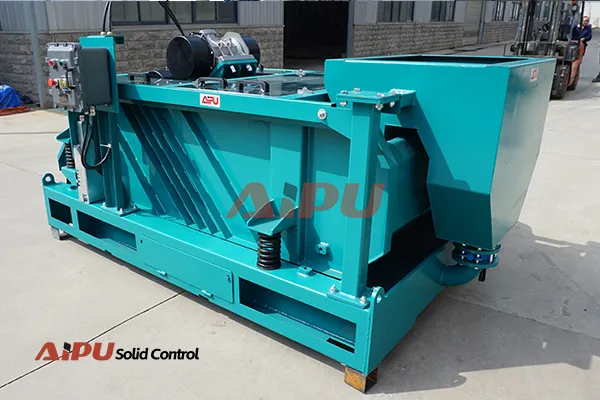
Regularly inspect the shaker deck, support springs, and the entire structure for cracks, corrosion, or fatigue. Worn or broken springs should be replaced in sets to maintain balance. Check electrical connections for tightness and signs of corrosion. Ensure motor amperage draws are within specified ranges, as abnormal readings can signal mechanical problems or voltage issues.
Adhering to a comprehensive maintenance schedule is a proactive investment. It extends the service life of every component, ensures peak separation efficiency, and protects the downstream solid control equipment. For operators seeking reliable and durable equipment designed with serviceability in mind, Aipu solid control manufactures robust shale shakers known for their efficient performance and simplified maintenance design, contributing directly to reduced lifecycle costs and enhanced operational uptime.