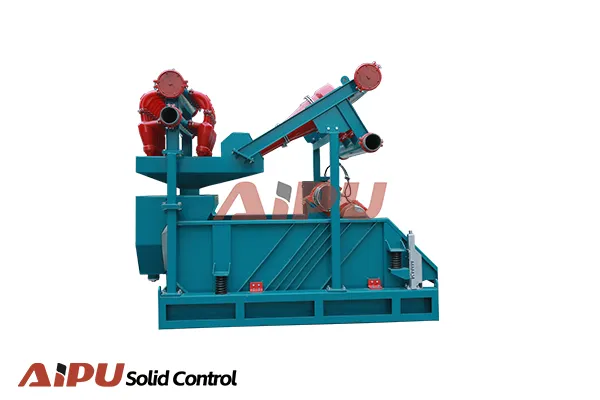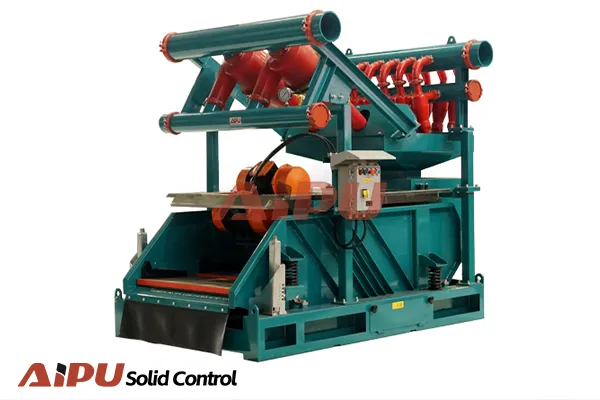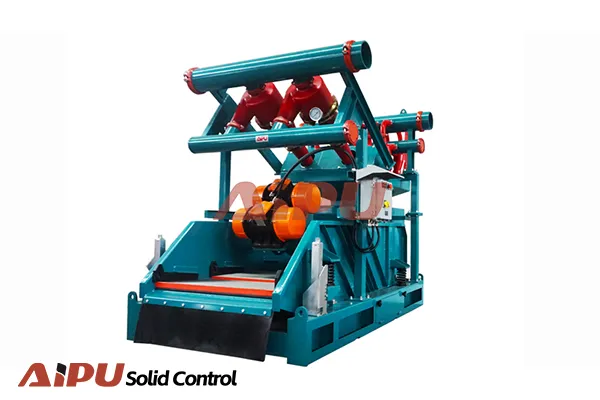
Proper shale shaker maintenance is a critical operational discipline on offshore platforms, directly impacting drilling efficiency, environmental compliance, and overall project economics. The harsh marine environment accelerates wear on screens, motors, and seals, making a proactive and systematic maintenance approach non-negotiable for preventing costly unplanned downtime and ensuring optimal solids control performance.
Daily and Operational Checks
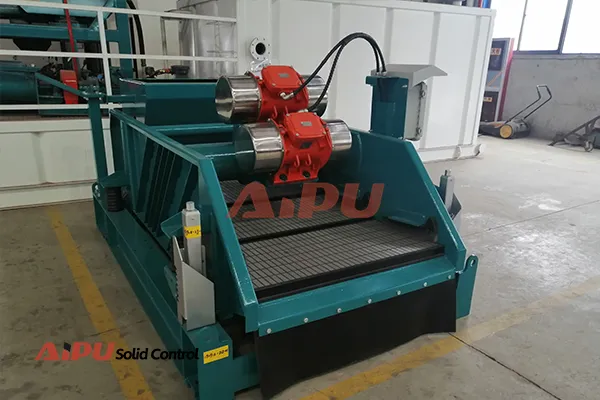
A rigorous daily inspection routine forms the foundation of effective maintenance. Operators must check for screen integrity, looking for tears or blinding, and ensure proper tension. Listen for unusual vibrations or noises from the motor and bearings, which indicate misalignment or wear. Inspect all fluid lines and the sealing system for leaks, as escaped drilling fluid is both an environmental hazard and a waste of resources. The shaker's motion should be observed to confirm it is running smoothly at the correct G-force for the current drilling phase.
Preventive Maintenance Scheduling
Beyond daily checks, a scheduled preventive maintenance program is essential. This includes regular lubrication of all bearings according to the manufacturer's specifications, using the correct grease type. Motors and electrical components require inspection for corrosion—a constant threat offshore—and secure connections. Screen panels should be replaced on a schedule or as performance dictates, not just when they fail. A thorough inspection and replacement of wear parts like rubber seals, gaskets, and screen tensioning components should be performed during planned downtime to prevent catastrophic failure.
Addressing Common Offshore Challenges
The offshore environment presents unique challenges. Saltwater corrosion attacks metal components, necessitating the use of corrosion-resistant materials and protective coatings. Limited space and the high cost of platform downtime mean maintenance must be efficient and well-planned, with all necessary parts and tools readily available. Furthermore, personnel must be thoroughly trained not only on the maintenance procedures but also on the specific safety protocols for working with heavy machinery in a confined, hazardous area.
Adherence to a comprehensive maintenance protocol maximizes equipment lifespan, ensures consistent solids removal, and protects downstream drilling equipment from abrasive damage. It is a direct contributor to safer, more efficient, and more profitable offshore drilling operations. For operations seeking reliable and durable solids control equipment backed by strong technical support, Aipu offers robust shale shakers and related systems engineered for the demanding conditions of offshore platforms.