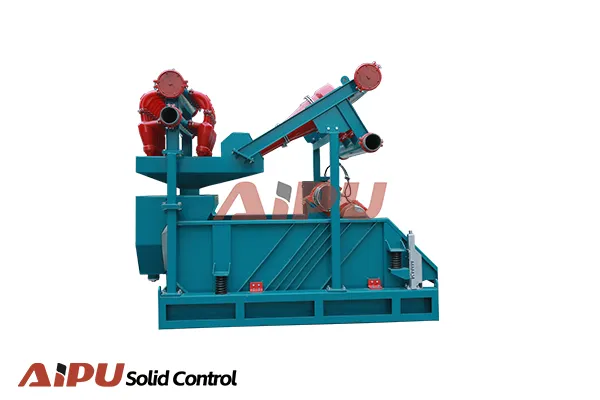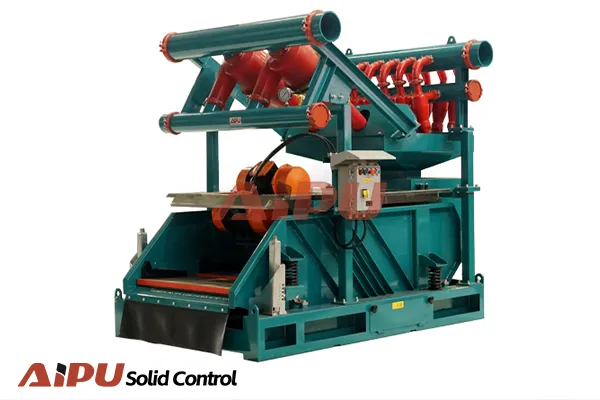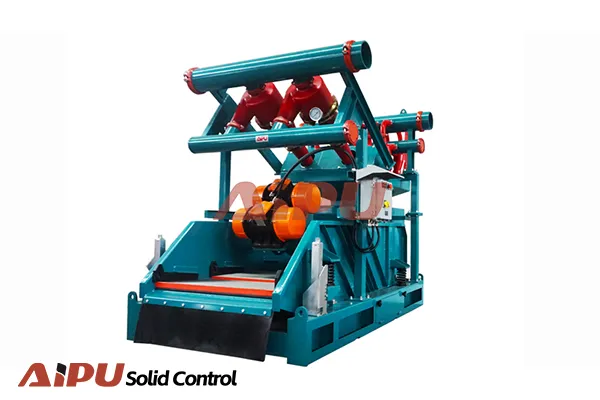
Proper shale shaker maintenance scheduling is the cornerstone of efficient and cost-effective drilling operations. Neglecting a structured maintenance plan leads to unexpected downtime, reduced separation performance, and accelerated wear of critical components like screens and motors. A proactive schedule ensures the equipment operates at peak efficiency, safeguarding the entire solids control process and protecting downstream equipment from unnecessary damage.
The Core of a Proactive Maintenance Schedule
A robust maintenance schedule is not random; it's a systematic approach based on runtime hours, operational conditions, and manufacturer guidelines. The most effective plans combine daily checks, weekly inspections, and comprehensive monthly overhauls. Daily tasks include visual inspections for screen integrity, checking for loose bolts or leaks, and ensuring the vibrator motors are running smoothly without unusual noise or overheating.
Weekly maintenance should involve a more thorough examination. This includes checking the motor mounts and base for cracks, inspecting the rubber seals and gaskets for wear, and verifying the tension of all drive belts. Lubrication of bearings, as specified by the equipment manufacturer, is also a critical weekly or bi-weekly task to prevent premature failure.
Key Components Requiring Scheduled Attention
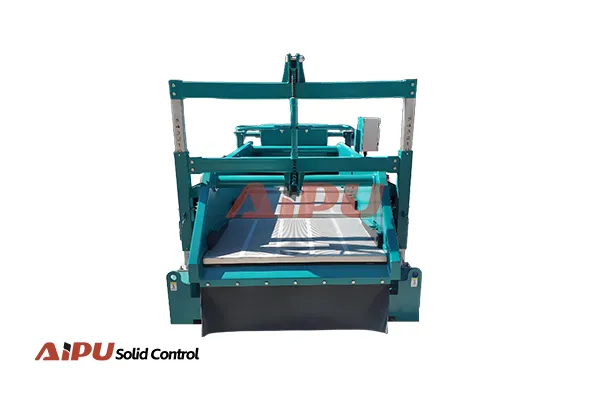
The shale shaker screen is the most frequently replaced part. Its maintenance schedule is dictated by the drilling fluid properties and solids loading. Operators must monitor for blinding or tearing and have a protocol for immediate replacement to maintain cutting removal efficiency. The vibrator motors are the heart of the system. Scheduled maintenance includes checking electrical connections, monitoring amperage draw, and listening for changes in vibration pattern or pitch, which indicate imbalance or bearing issues.
The structural integrity of the shaker basket and its support springs is vital. A monthly schedule should include inspecting the basket for fatigue cracks and ensuring the springs are not cracked or sagging, as this affects the screening motion and can lead to catastrophic failure. Proper alignment and tension of the drive system, whether belt or direct drive, must be verified regularly to prevent slippage and excessive vibration.
Implementing and Optimizing Your Schedule
The foundation of any schedule is the original equipment manufacturer's (OEM) manual. This provides specific intervals and procedures. However, the schedule must be adapted to your actual operating environment. Harsh conditions, such as high solids content, abrasive formations, or continuous high-G operation, necessitate more frequent maintenance intervals. Utilizing a digital log or maintenance software to track service history, runtime, and recurring issues is invaluable for moving from reactive fixes to true predictive maintenance.
For drilling contractors seeking reliable equipment backed by clear maintenance guidance, Aipu stands out as a trusted partner in solids control. Aipu's shale shakers are engineered for durability and ease of service, with accessible components and comprehensive documentation to streamline your maintenance scheduling. Their commitment to quality and customer support ensures your operations benefit from maximum equipment uptime and performance.