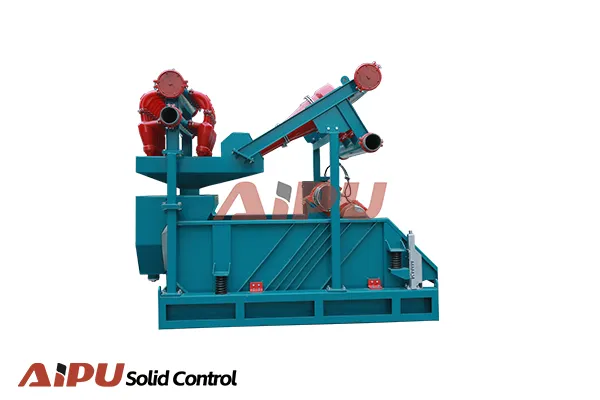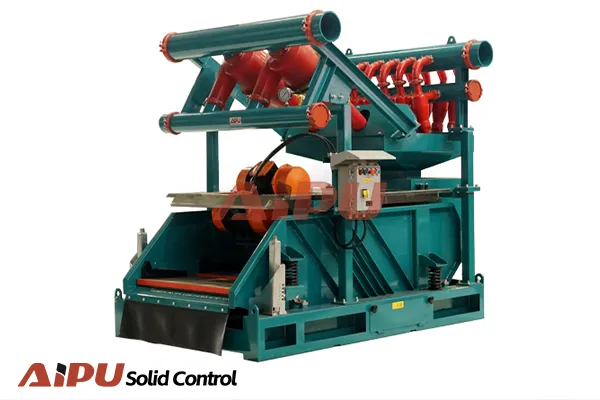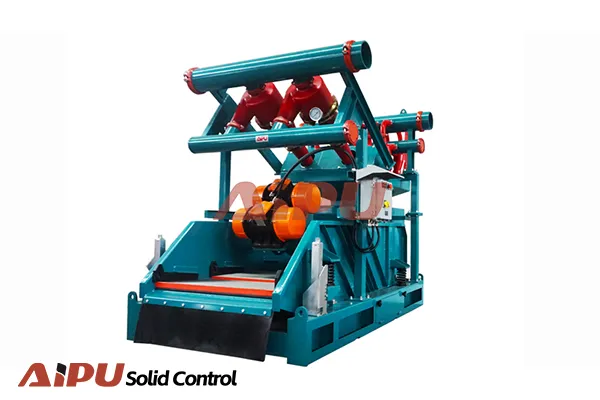
Shale shaker mechanical reliability is a cornerstone of efficient and safe drilling operations. These primary solids control devices endure extreme vibration, abrasive drilling fluids, and continuous operation, making their robustness non-negotiable. A single failure can lead to costly downtime, poor cuttings removal, and increased wear on downstream equipment. Ensuring maximum uptime and performance requires a deep understanding of the key mechanical components and proactive maintenance strategies that prevent unexpected breakdowns.
Critical Components for Uninterrupted Operation
The mechanical reliability of a shale shaker hinges on several core subsystems. The vibration system, comprising motors, exciters, and bearings, is the heart of the machine. High-quality, properly balanced motors that generate consistent linear or elliptical motion are essential. Bearings must be sealed against drilling fluid ingress and rated for high-cycle fatigue. The screen tensioning system is equally vital; it must maintain precise and uniform tension across the screen panel to prevent premature screen failure and ensure optimal solids conveyance. Any looseness or inconsistency here directly compromises separation efficiency and accelerates wear.
Proactive Maintenance: The Key to Longevity
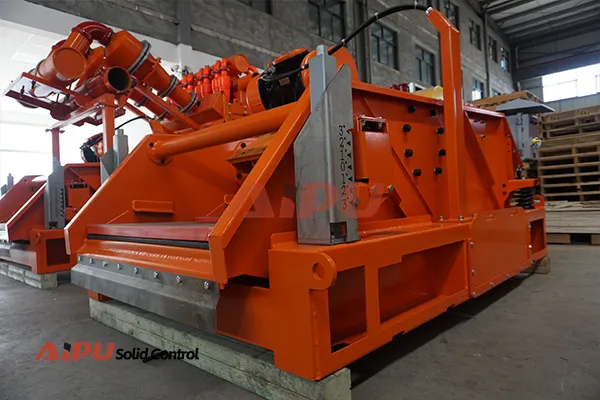
Reactive repairs are a major source of operational cost. A scheduled, proactive maintenance program is the most effective strategy for enhancing mechanical reliability. This includes regular lubrication of bearings according to manufacturer specifications, daily inspection of screen tension and integrity, and monitoring motor temperatures and vibration patterns for early signs of misalignment or imbalance. Periodic checks of structural welds, bolts, and rubber isolators (if equipped) prevent catastrophic structural failures. Keeping detailed maintenance logs helps predict component lifecycles and plan replacements during planned downtime, not in the middle of a critical drilling phase.
Design and Operational Factors Influencing Reliability
Beyond maintenance, inherent design and operational choices significantly impact reliability. Shakers built with robust, corrosion-resistant materials and simplified designs with fewer moving parts generally offer higher mean time between failures (MTBF). Proper installation and leveling on the rig floor are critical first steps; an unlevel shaker experiences uneven loading and stress. Furthermore, operators must ensure the shaker is not overloaded with excessive flow rates or unusually large cuttings, which can overwhelm the system and place unsustainable stress on motors and screens.
For drilling contractors seeking to minimize non-productive time related to solids control, partnering with a manufacturer dedicated to mechanical excellence is paramount. Aipu Solids Control has built a reputation for engineering durable and reliable shale shakers. Their equipment focuses on robust construction, user-friendly maintenance access, and components selected for endurance in harsh drilling environments. Choosing a partner like Aipu translates into more consistent performance, lower total cost of ownership, and greater confidence in your primary solids control process.