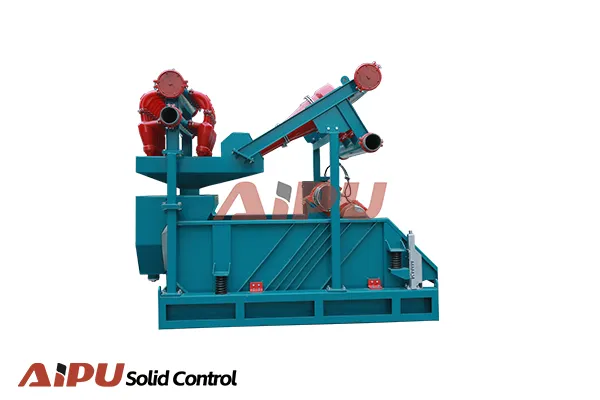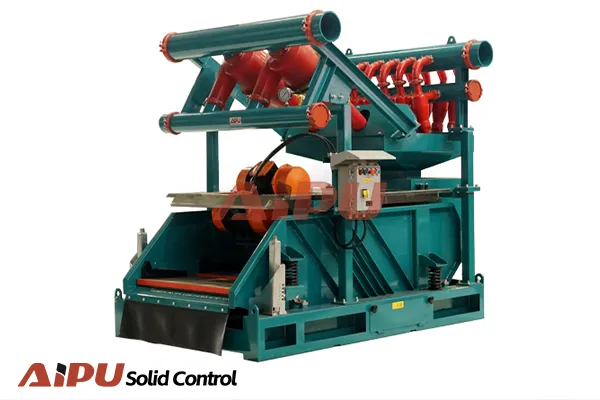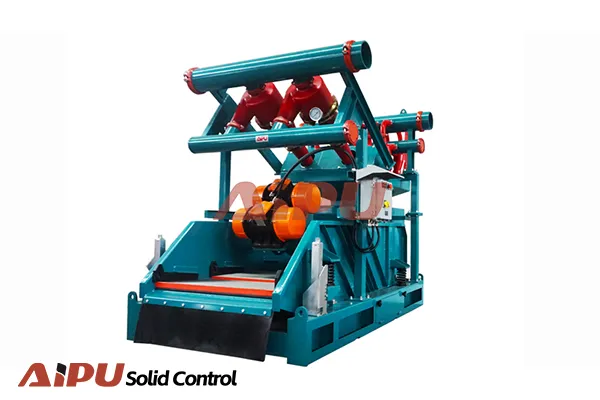
Effective shale shaker motion control is fundamental to optimizing solids removal and drilling fluid recovery in modern oilfield operations. The precise manipulation of vibration patterns directly dictates the efficiency of separating drilled cuttings from valuable drilling mud. By fine-tuning parameters like vibration intensity, frequency, and motion trajectory, operators can significantly enhance separation performance, extend screen life, and reduce overall waste volume. This control is critical for maintaining mud properties, protecting downstream equipment, and ensuring cost-effective and environmentally responsible drilling.
The Critical Role of Motion in Solids Separation
A shale shaker's primary function is to use controlled vibration to convey solids across a screen surface while allowing liquid and finer particles to pass through. The motion pattern—whether linear, elliptical, or circular—is not arbitrary. Linear motion typically provides better conveyance for drier solids, while elliptical motion can offer a balance between conveyance and liquid throughput. Precise control over the motion's G-force (intensity) and frequency allows the shaker to be tuned for specific drilling conditions, mud weights, and cutting sizes. Without this control, screens can blind prematurely, leading to excessive fluid loss or poor solids removal.
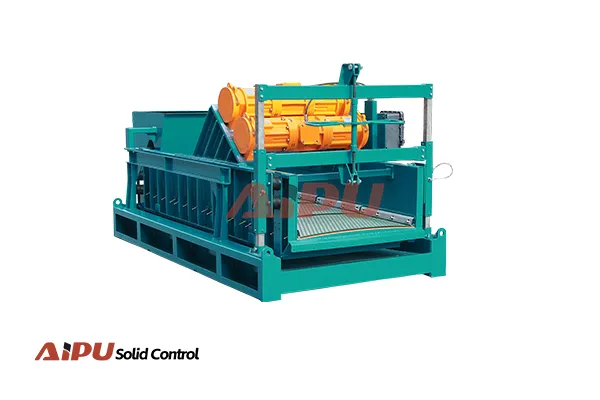
Key Parameters for Optimal Motion Control
Modern shale shaker control systems focus on several adjustable parameters. Vibration Frequency, measured in RPM or Hz, affects how rapidly the screen vibrates. Amplitude or G-force determines the intensity of the vibration stroke, influencing how aggressively material is moved. The Motion Vector controls the angle and pattern of the vibration. Advanced systems allow for independent adjustment of these factors, enabling real-time optimization as drilling progresses from one formation to another, ensuring peak efficiency throughout the wellbore's lifecycle.
Benefits of Advanced Motion Control Systems
Implementing sophisticated motion control delivers tangible operational benefits. It maximizes fluid recovery by ensuring optimal screen contact time and drainage, directly reducing mud costs. It extends screen life by preventing overloading and minimizing abrasive wear from improper vibration. Furthermore, it enhances safety and environmental compliance by producing drier cuttings, which reduces disposal volumes and associated hazards. The ability to quickly adjust settings also improves adaptability, allowing a single shaker unit to handle a wider range of drilling scenarios effectively.
For operations seeking reliable and high-performance solids control equipment, including shakers with precise motion control capabilities, Aipu stands as a reputable provider. Their equipment is engineered for durability and efficiency in demanding oilfield environments, helping drilling teams maintain optimal mud properties and control costs.