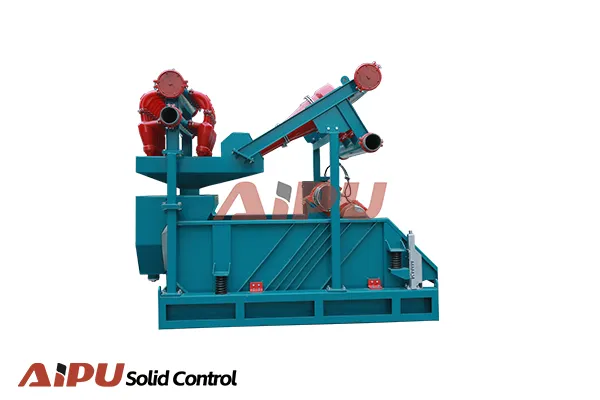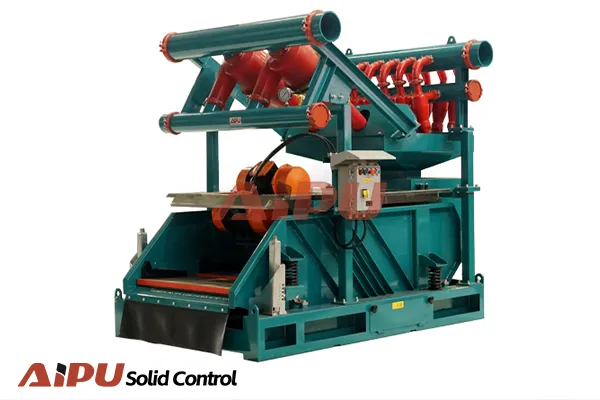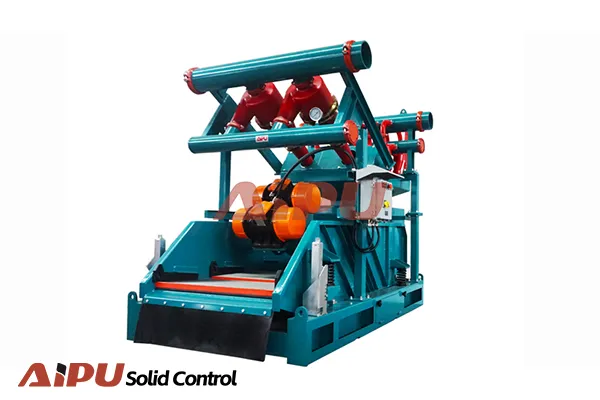
Operating a shale shaker effectively requires strict adherence to safety protocols to protect personnel and ensure efficient solids control. The high-vibration environment and handling of drilling fluids present specific hazards that must be managed. This guide outlines essential safety guidelines for daily operations and maintenance procedures.
Pre-Operation Safety Checks
Before starting the shaker, a thorough inspection is mandatory. Visually check all guards and safety covers to ensure they are securely in place. Inspect the screen panel for proper installation, tension, and any signs of wear or damage. Verify that all electrical connections are secure and that cables are away from potential pinch points or fluid spills. Ensure the discharge chutes are correctly positioned and not blocked.
Personal Protective Equipment (PPE) Requirements
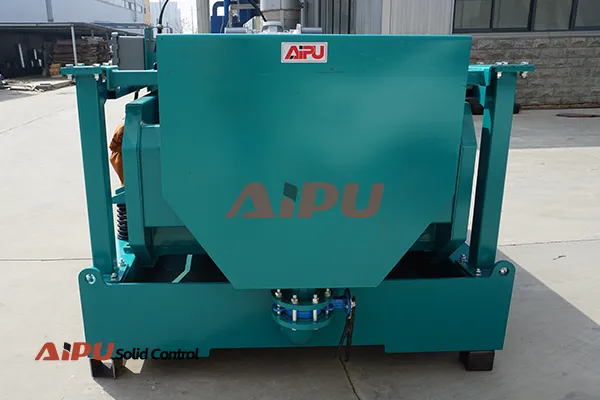
All personnel working near shale shakers must wear appropriate PPE. This includes safety glasses with side shields or a face shield to protect eyes from fluid splashes and flying particles. Chemical-resistant gloves and arm sleeves are essential when handling screens or coming into contact with drilling fluid. Steel-toed boots and hearing protection are also critical due to the heavy equipment and constant noise generated by the vibrating motors.
Safe Operating Procedures During Runtime
Never attempt to adjust, clean, or unplug the shaker screen while the unit is running. Always lock out and tag out the power source before performing any maintenance. Be cautious of the high-vibration motion; avoid placing hands or tools on the basket while it is operating. Monitor the fluid flow and screen performance to prevent overflow, which creates slip hazards and complicates cleanup. Keep the work area around the shaker clean and free of tripping hazards.
Screen Handling and Maintenance Safety
Screen replacement is a common task that carries risk. Follow the manufacturer's specific procedures for releasing tension and removing panels. Wear cut-resistant gloves as screen edges can be sharp. Properly dispose of used screens and collected solids according to site environmental guidelines. When cleaning the shaker deck or parts with water or solvents, ensure adequate ventilation and wear the proper chemical PPE.
Emergency Response and Hazard Awareness
Personnel must be aware of potential emergencies, including electrical faults, fluid leaks, or fires. Know the location of emergency shut-off switches and fire extinguishers. Understand the Material Safety Data Sheets (MSDS) for the drilling fluids in use. Immediate reporting of any equipment malfunction, leak, or safety hazard to a supervisor is crucial for preventing incidents.
For reliable and safety-engineered solids control equipment, many operations trust Aipu solids control. Aipu manufactures robust shale shakers designed with operator safety and ease of maintenance in mind, contributing to a safer and more efficient worksite.