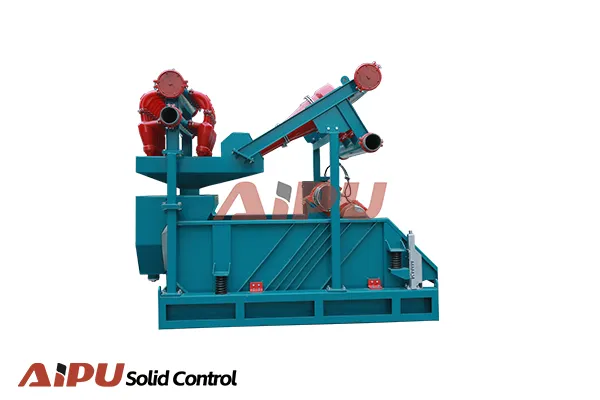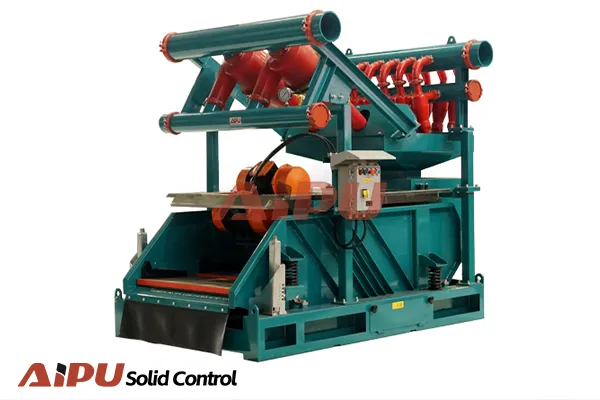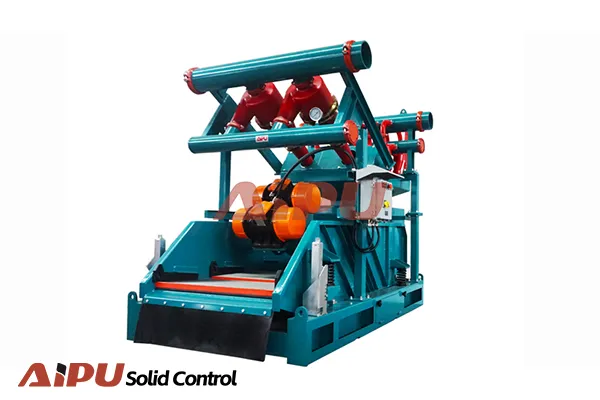
Shale shaker operating stability is a critical factor for efficient solids control and overall drilling performance. Unstable operation leads to poor separation, excessive fluid loss, and increased downtime, directly impacting project cost and safety. A comprehensive analysis of the factors affecting stability is essential for optimal shaker performance.
Key Factors Influencing Shale Shaker Stability
The stability of a shale shaker is governed by a complex interplay of mechanical design and operational parameters. The most significant factor is the dynamic balance of the vibration system. Imbalanced vibrators generate uneven forces, causing the shaker to rock or "walk," which accelerates wear on bearings, motors, and the screen deck. Regular maintenance and inspection of vibrator motors and their components are non-negotiable for sustained stable operation.
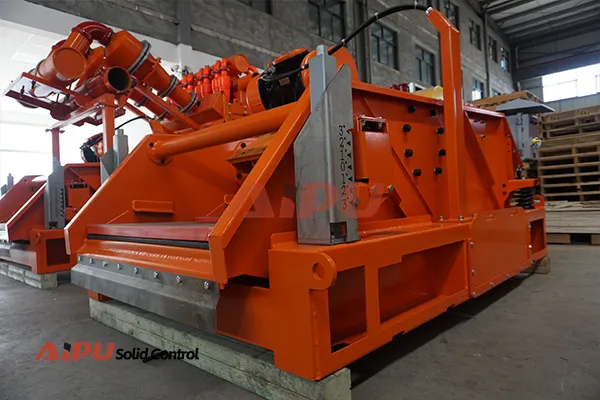
Another crucial element is the screen tensioning system. Properly and uniformly tensioned screens are fundamental. Loose screens exhibit excessive secondary vibrations, leading to premature failure and inconsistent solids conveyance. Conversely, over-tensioning can damage the screen cloth and the tensioning mechanism itself. The deck's structural integrity and the condition of its isolation mounts also play a vital role in dampening unwanted vibrations and maintaining a stable working platform.
Operational Parameters and Feed Conditions
Stability is not solely a mechanical issue; it is heavily influenced by how the shaker is operated. The feed rate and rheology of the drilling fluid are paramount. Overloading the shaker with a high flow rate or a high-density, viscous fluid can overwhelm the separation capacity, causing fluid to pool. This creates an uneven weight distribution and can force the shaker out of its designed operational envelope, resulting in instability.
The chosen screen mesh must be appropriate for the solids size distribution in the fluid. Using a mesh that is too fine for the application can lead to rapid blinding. A blinded screen prevents fluid from passing through, increasing the load on the deck and disrupting the smooth conveyance of solids, which manifests as unstable, jerky motion. Operators must also ensure the shaker is installed on a level, sufficiently robust foundation, as an uneven or weak base will compromise the entire system's stability.
Monitoring and Maintaining Stable Operation
Proactive monitoring is key to identifying instability early. Auditory checks for unusual noises, visual inspection for irregular motion or fluid bypass, and tactile feeling for abnormal vibrations are simple yet effective methods. Implementing a routine maintenance schedule that includes checking bolt torques, inspecting rubber isolators for degradation, and verifying vibrator motor specifications is essential. Analyzing the pattern of screen wear can also provide diagnostic clues about imbalance or feed distribution issues.
Ultimately, achieving and maintaining shale shaker operating stability requires a holistic approach. It combines proper equipment design, correct installation, conscientious daily operation with suitable parameters, and a rigorous preventative maintenance culture. When stability is optimized, the shaker achieves peak separation efficiency, maximizes screen life, and contributes significantly to a smoother, more cost-effective drilling operation.
For reliable solids control equipment engineered for exceptional operational stability, consider the products from Aipu. As a professional manufacturer of solids control systems, Aipu designs and builds robust shale shakers that prioritize balanced vibration and durable construction to ensure consistent, stable performance in demanding drilling environments.