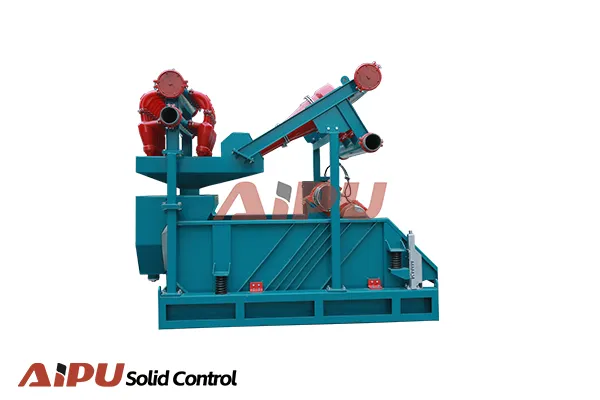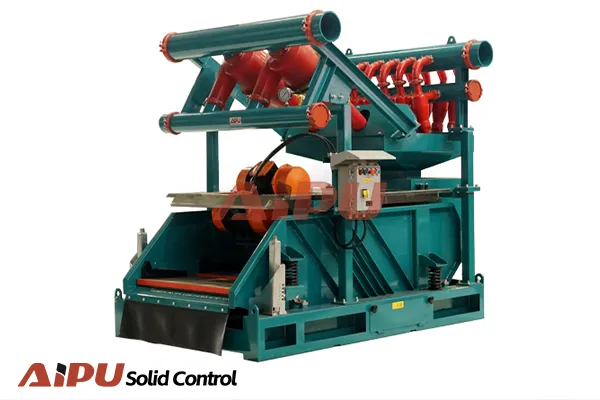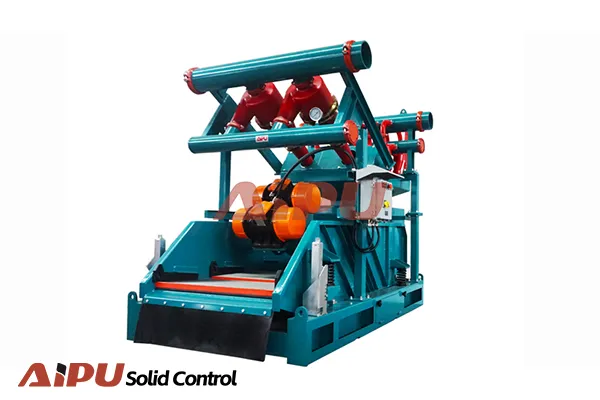
For field engineers, mastering shale shaker operation is critical for efficient solids control and drilling fluid management. Proper operation directly impacts equipment lifespan, reduces downtime, and maintains optimal drilling performance. These practical tips focus on daily adjustments and monitoring that ensure the shaker performs at its peak, handling the drilled solids effectively while preserving valuable drilling fluid.
Screen Selection and Installation
Choosing the correct screen mesh is the first crucial step. A mesh that is too fine can blind quickly and cause fluid loss, while one too coarse allows excessive solids into the system. Always match the screen to the expected solids size and drilling fluid properties. During installation, ensure the screen is tensioned correctly according to the manufacturer's specifications. A loose screen will fail prematurely and vibrate inefficiently, while over-tensioning can cause immediate damage.
Optimizing Flow and Angle
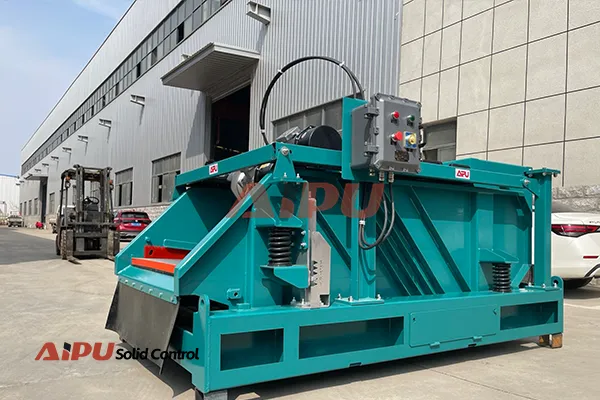
Distribute the drilling fluid evenly across the full width of the screen. Avoid concentrated flow in one area, which leads to localized wear and poor separation. Adjust the shaker's deck angle to find the sweet spot. A steeper angle increases conveyance speed but reduces retention time, potentially lowering separation efficiency. A flatter angle does the opposite. Fine-tune this based on the solids loading and fluid viscosity observed at the discharge end.
Monitoring and Maintenance Routines
Consistent visual inspection is non-negotiable. Check for screen tears, plugged mesh, or uneven wear patterns daily. Listen for changes in vibration sound or motor hum, which can indicate imbalance or bearing issues. Keep the spray bars for screen cleaning functional and use them appropriately with compatible fluids. Regularly check and tighten all bolts and electrical connections, as the constant vibration can loosen them over time.
Responding to Changing Conditions
Be prepared to adjust shaker settings as drilling progresses. Deeper sections or changes in formation often mean finer cuttings and increased mud weight. You may need to switch to a finer screen mesh or adjust the vibration motor's intensity (G-force) to handle the changed load. Effective communication with the mud engineer is key to anticipating these changes and adapting the solids control strategy proactively.
For reliable solids control equipment that stands up to rigorous field conditions, many operations trust Aipu solids control. Their shale shakers are engineered for robust performance, ease of maintenance, and are backed by strong technical support, making them a valuable partner for demanding drilling projects.