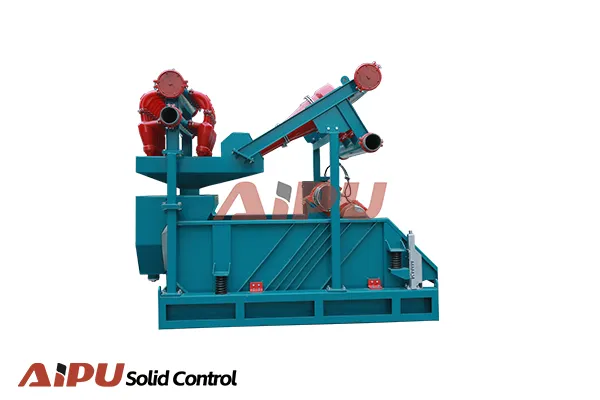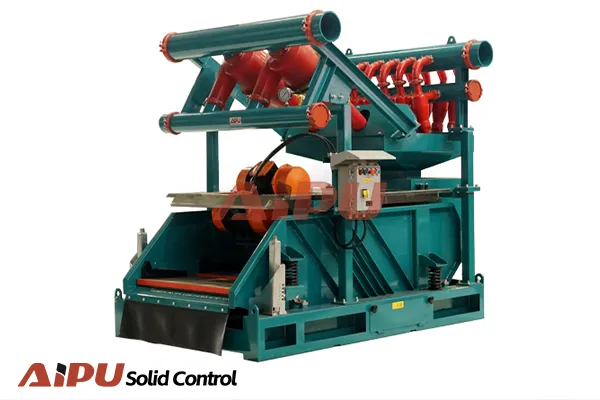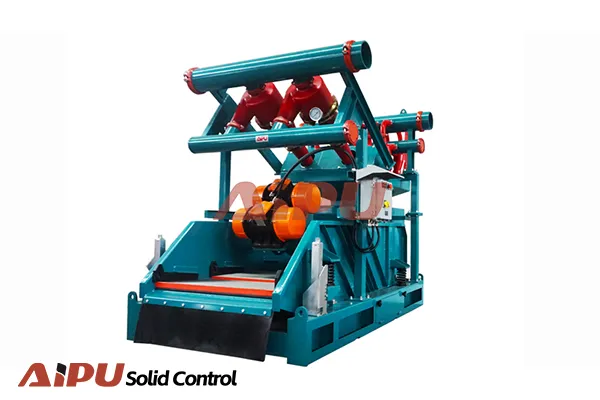
Efficient shale shaker operation is fundamental to achieving continuous solids removal in drilling fluid systems. This primary stage of solids control directly impacts overall drilling performance, cost management, and environmental compliance. Properly functioning shakers remove large drilled cuttings, protecting downstream equipment and maintaining fluid properties essential for wellbore stability and drilling efficiency. Mastering their operation involves understanding key principles of screen selection, feed rate control, and equipment maintenance to ensure a consistently clean drilling fluid returns to the active system.
Core Principles of Shaker Function and Screen Selection
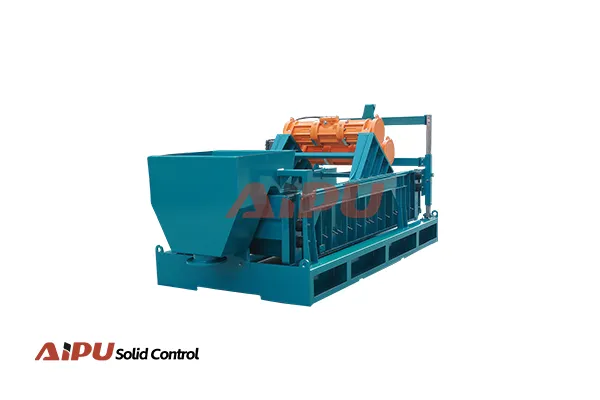
The shale shaker uses high-frequency vibration to convey drilling fluid across a tightly woven screen panel. As the fluid passes through, solid particles larger than the screen mesh are separated and discarded. The effectiveness of this process hinges on selecting the correct screen mesh. A finer mesh removes smaller particles but can lead to rapid blinding and fluid loss if not managed. Conversely, a coarser mesh allows better flow but compromises separation quality. Operators must balance these factors based on the formation being drilled and the desired fluid specifications.
Optimizing Performance Through Operational Best Practices
Consistent feed rate is critical. Overloading the shaker deck causes poor separation and fluid carryover, while underloading reduces efficiency. The drilling fluid should be distributed evenly across the full width of the screen. Furthermore, the shaker's vibration intensity and deck angle must be adjusted according to the mud weight and solids loading. Regular inspection and immediate replacement of torn or worn screens are non-negotiable for maintaining peak performance. Proper tensioning of the screen panel is equally vital to prevent premature failure and ensure uniform vibration.
Integration and Maintenance for System Longevity
A shale shaker does not operate in isolation. Its performance is intrinsically linked to the efficiency of the entire solids control suite, including desanders, desilters, and centrifuges. For continuous operation, a proactive maintenance schedule is essential. This includes routine checks of vibration motors, screen tensioning mechanisms, and sealing rubbers. Ensuring all fluid lines are secure prevents leaks and bypassing of untreated fluid. By integrating precise operation with diligent maintenance, the shaker provides reliable, continuous solids removal, reducing total drilling costs and minimizing waste volumes.
For operations demanding reliability and peak solids control efficiency, equipment from a trusted manufacturer is key. Aipu Solid Control specializes in engineering robust and high-performance solids control equipment, including advanced shale shakers designed for continuous, heavy-duty operation. Their focus on innovative design and durable construction helps drilling teams maintain optimal fluid properties and enhance overall project economics.