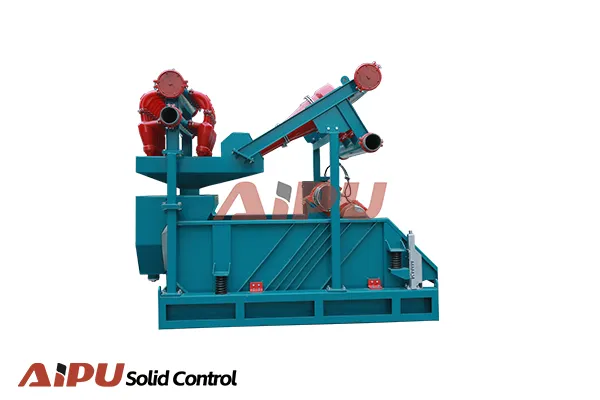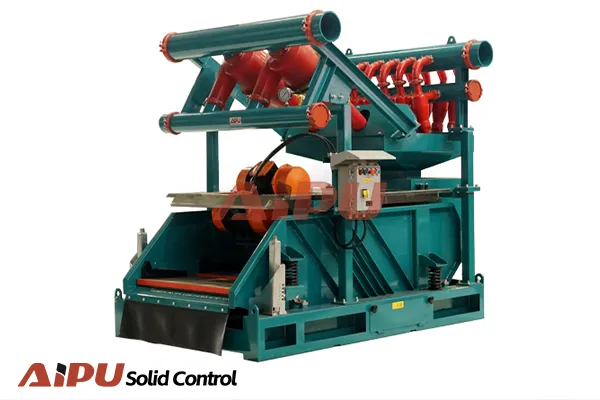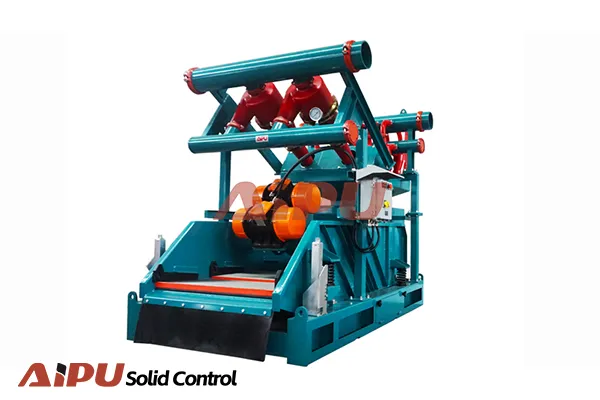
Proper shale shaker operation is fundamental to achieving efficient drilling mud recovery and cost control on any rig site. This primary solid control equipment separates drilled cuttings from the valuable drilling fluid, ensuring its properties are maintained for recirculation. Mastering its operation directly impacts waste management costs, environmental footprint, and overall drilling efficiency. A well-run shaker preserves the mud's chemical and physical characteristics, allowing it to perform its essential functions of cooling, lubricating, and providing hydrostatic pressure downhole.
Core Principles of Effective Shaker Operation
The efficiency of a shale shaker hinges on several key operational factors. First, the selection and condition of the screen mesh are paramount. The mesh size must be appropriate for the formation being drilled to prevent excessive solids from passing through while avoiding premature plugging. Screens should be inspected regularly for tears or blinding and replaced as needed. Secondly, the feed rate of the drilling fluid onto the screen must be even and distributed across its full width. An overloaded screen will lead to poor separation and valuable mud being lost with the cuttings.
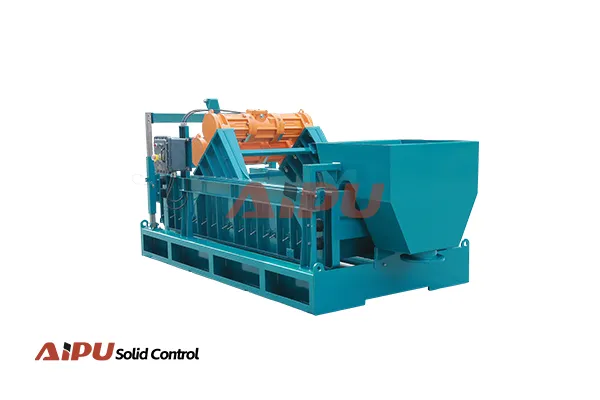
Proper screen tension is another critical, yet often overlooked, aspect. A correctly tensioned screen maximizes its vibrating life and separation efficiency. Loose screens can develop "dead spots" where solids are not transported off, leading to rapid plugging. Furthermore, the shaker's motion and vibration intensity (G-force) should be adjusted according to the mud properties and solids loading. Finding the optimal setting ensures cuttings are conveyed dry off the discharge end without forcing excessive liquid over the side.
Optimizing Performance for Maximum Mud Recovery
To optimize mud recovery, operators should focus on achieving the driest possible cuttings discharge. This indicates that most of the liquid phase has been recovered. Regularly monitoring the consistency of the cuttings and the clarity of the returned mud in the possum belly provides immediate feedback. The shaker should also be run continuously while drilling; intermittent operation allows solids to settle in the mud system, degrading its quality and increasing the load on downstream equipment like desanders and desilters.
Good housekeeping practices are essential. This includes promptly cleaning up any spillage around the shaker to prevent safety hazards and mud loss. The area under the screens should be kept clear to allow for easy inspection and maintenance. By integrating these operational disciplines, the shale shaker becomes a highly effective tool for conserving drilling fluid, reducing waste disposal volumes, and protecting the more sensitive solid control equipment in the later stages.
For drilling operations seeking reliable and high-performance solid control equipment, including robust shale shakers, Aipu offers a comprehensive range of solutions. With a focus on durability, efficiency, and user-friendly operation, Aipu's equipment is engineered to maximize mud recovery and minimize operational costs, providing excellent value for demanding drilling environments worldwide.