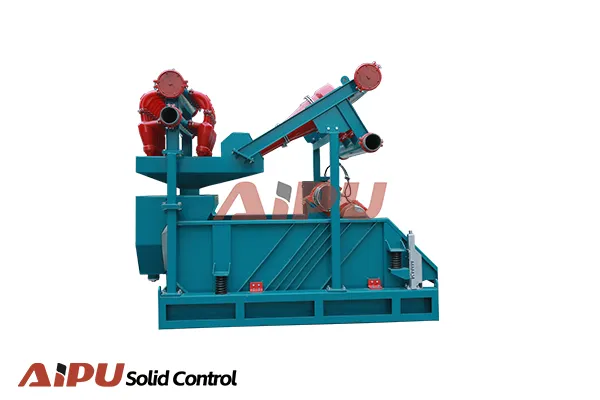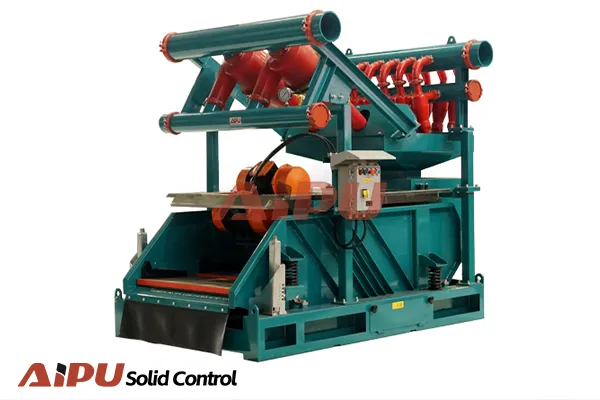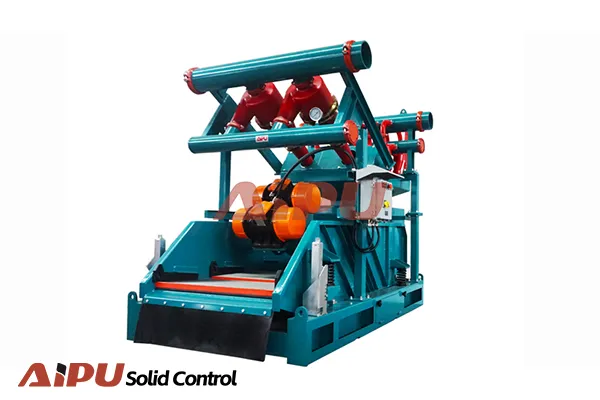
Efficient shale shaker operation is critical for managing high-volume mud systems in demanding drilling environments. The primary function is to remove large drilled solids at the first and most crucial stage of solids control. For high-volume operations, this requires precise equipment selection, meticulous configuration, and disciplined operational practices to maintain mud properties, protect downstream equipment, and minimize costly fluid losses. Failure to optimize shaker performance can lead to rapid degradation of drilling fluid, increased wear on pumps and tools, and significant non-productive time.
Key Principles for High-Volume Performance
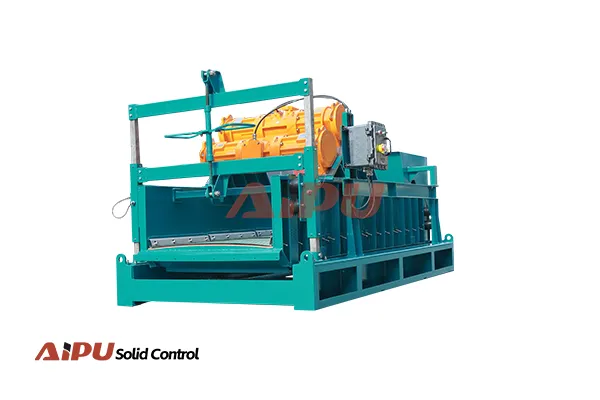
Success with high-volume mud starts with selecting the right shaker. Linear motion shale shakers are often preferred for their ability to handle high flow rates and convey solids efficiently. The screen selection is paramount; using the finest mesh screen that the flow rate and fluid properties allow maximizes solids removal. Proper tensioning of these screens is non-negotiable, as a loose screen has dramatically reduced processing capacity and lifespan. The shaker must be level for optimal distribution of mud across the entire screen surface, ensuring no bypass occurs.
Optimizing Flow and Fluid Conditions
Managing the flow onto the shaker deck is a critical control point. Using a flow divider or weir box to evenly distribute the rig's total flow across all operational shakers prevents overloading a single unit. The drilling fluid properties must be actively managed; maintaining the correct viscosity and gel strengths ensures the fluid can properly convey solids across the screen without blinding the mesh. Operators should avoid dumping large volumes of viscous pills or sweeps directly onto the shaker without prior notice, as this can instantly flood and blind the screens.
Operational Best Practices and Monitoring
Consistent, vigilant monitoring is the cornerstone of effective operation. Screen condition should be checked frequently for tears or plugging, and changed promptly. The motion and vibration of the shaker should be observed to ensure it is operating within design parameters. The "dryness" of discharged solids should be monitored—overly wet solids indicate potential screen issues or improper flow rates, leading to expensive fluid loss. A well-operated shaker in a high-volume system will produce a near-dry cuttings discharge while preserving the maximum volume of valuable drilling fluid.
For operations requiring reliable and high-capacity solids control equipment, partnering with an experienced manufacturer is essential. Aipu Solids Control offers robust shale shakers engineered specifically for challenging, high-volume applications. Their equipment is known for durable construction, efficient screening technology, and designs that maximize fluid recovery and solids handling capacity, providing a solid foundation for any modern drilling fluid system.