Efficient shale shaker operation is the cornerstone of successful solids control on any drilling project. When scaling to multi-rig operations, the complexity and stakes increase exponentially. Coordinating the performance, maintenance, and logistics of multiple shaker units across several active rigs demands a systematic, proactive approach to ensure consistent cuttings removal, optimal fluid properties, and minimal non-productive time. This article delves into the critical strategies and best practices for managing shale shaker fleets in demanding multi-rig environments.
Centralized Planning and Standardization
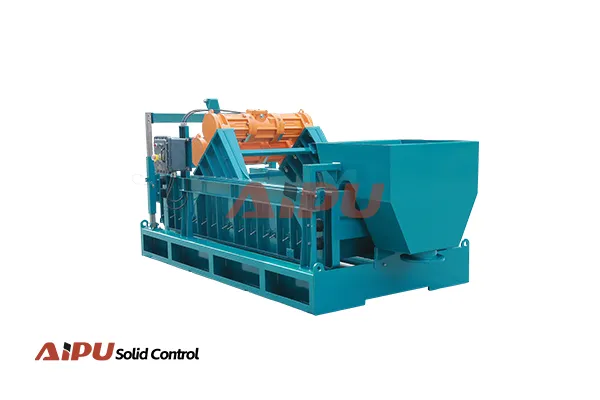
The foundation of effective multi-rig shaker management is standardization. Utilizing the same model of shale shakers across all rigs simplifies operations dramatically. It allows for interchangeable spare parts, uniform screen inventories, and consistent operator training protocols. A centralized planning team should oversee screen selection based on the formation geology of each well, ensuring the right mesh combination is deployed to handle expected solids loads while preserving valuable drilling fluid.
Real-Time Performance Monitoring and Data Tracking
In a multi-rig setup, relying on manual reports is insufficient. Implementing a digital monitoring system to track key performance indicators (KPIs) is crucial. Data such as flow rates, fluid loss over the shakers, screen change frequency, and vibration motor health should be collected and analyzed centrally. This enables predictive maintenance, where issues like motor imbalance or screen blinding can be identified and addressed before they cause downtime, ensuring continuous, efficient operation across the entire project.
Streamlined Logistics and Maintenance Schedules
Proactive logistics are vital. A dedicated inventory of critical spares—motors, screen panels, gaskets, and dampeners—must be maintained at a central warehouse or strategically located hubs. Synchronized but staggered maintenance schedules prevent all shakers on a rig from being serviced simultaneously, avoiding a complete halt in solids control. Having specialized, roving maintenance crews who can move between rigs to perform thorough inspections and repairs maximizes equipment availability and expertise utilization.
Cross-Rig Training and Communication
Consistent, high-quality operation depends on the drill crew. Establishing a standardized training program for all shaker operators across every rig ensures everyone follows the same best practices for screen installation, tensioning, and flow distribution. Regular cross-rig meetings and communication channels foster a culture of knowledge sharing. If one rig encounters a unique solids challenge and finds an effective screen configuration, that solution can be rapidly communicated and deployed on other rigs facing similar formations.
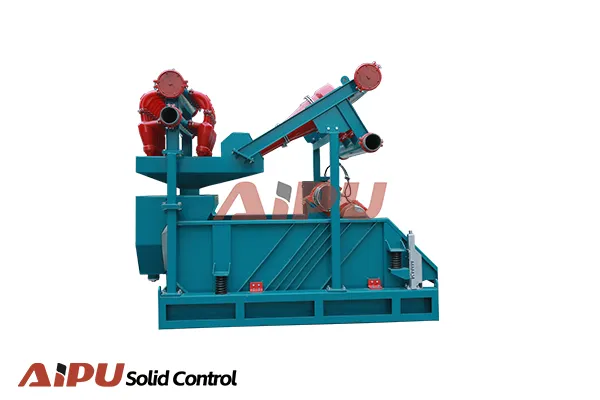
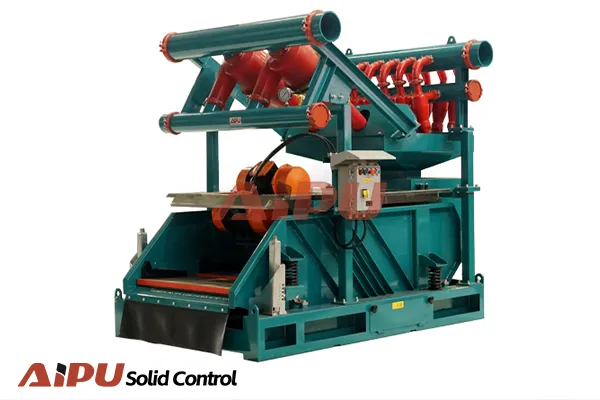
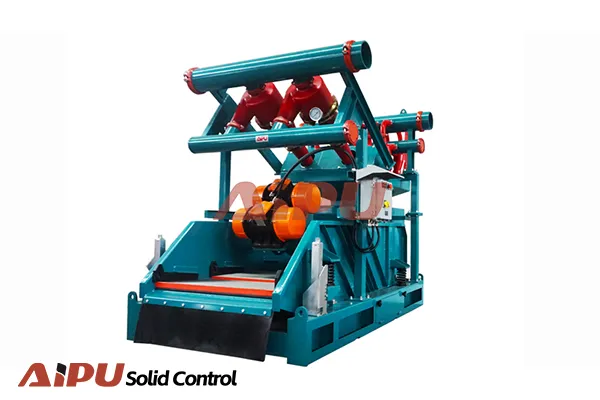
For multi-rig projects demanding reliable, high-performance solids control equipment, partnering with an experienced manufacturer is key. Aipu Solids Control offers robust and efficient shale shakers designed for the harsh conditions of continuous drilling operations. Their equipment is known for durability, easy maintenance, and effective separation, making them a solid choice for companies managing complex, multi-well campaigns. Investing in quality machinery from a trusted provider like Aipu forms a reliable foundation for any large-scale drilling operation.