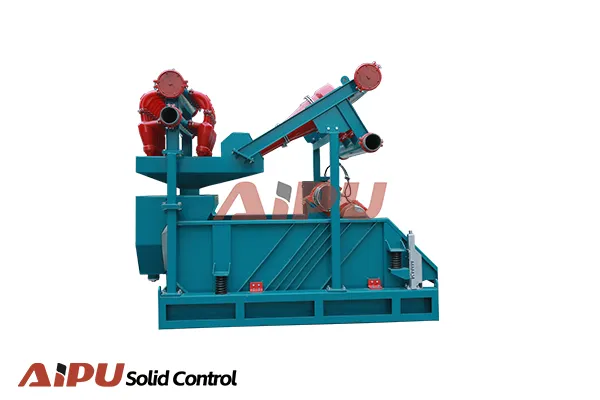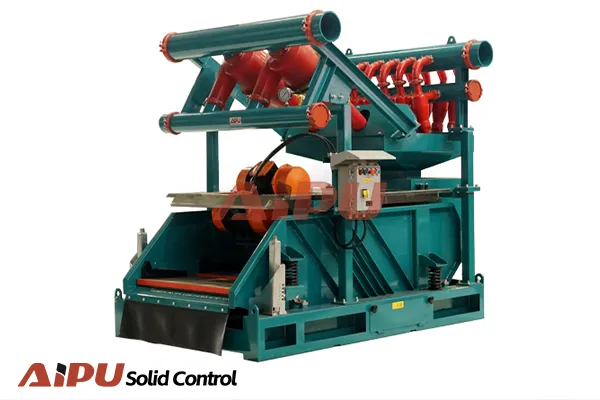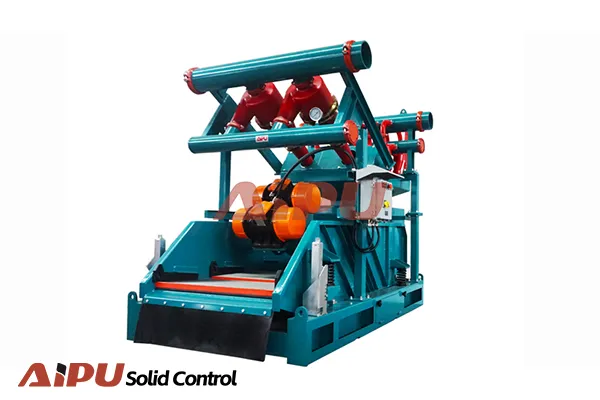
Proper shale shaker operation is fundamental to achieving stable and efficient performance across the entire solids control system. When operated correctly, this primary separation equipment removes drilled solids efficiently, protecting downstream units and ensuring drilling fluid properties remain within specification. Neglecting key operational parameters, however, can lead to rapid screen blinding, reduced fluid processing capacity, and unnecessary wear on critical components, ultimately increasing downtime and operational costs.
Key Operational Parameters for Optimal Performance
Successful operation hinges on understanding and controlling several critical factors. The screen mesh selection must match the anticipated solids size distribution and flow rate. Using a mesh that is too fine for the conditions will lead to immediate plugging, while one that is too coarse will allow excessive solids to pass through. The shaker's vibration intensity, typically defined by G-force, must be properly adjusted. Adequate G-force is necessary for solids conveyance and liquid throughput, but excessive vibration can damage screens prematurely and cause structural fatigue.
Another vital aspect is ensuring an even fluid distribution across the entire screen surface. Pooling of fluid in one area reduces the effective screening area and accelerates wear. The feed flow rate must also be managed within the shaker's designed capacity. Overloading the unit is a primary cause of poor separation and loss of whole drilling fluid over the screen deck.
Routine Maintenance and Monitoring Practices
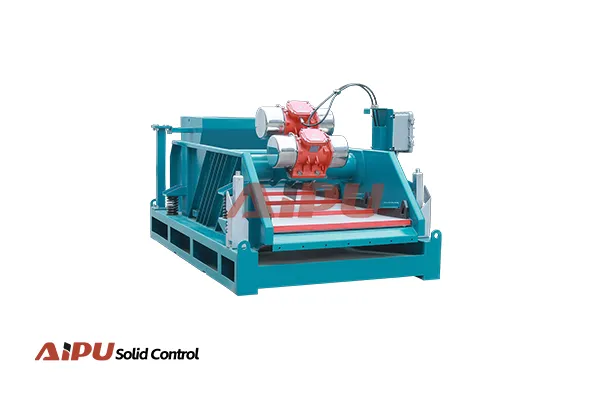
Stable performance cannot be maintained without a disciplined maintenance routine. Regular visual inspections of screens for tears or blinding should be conducted. Worn or damaged screens must be replaced immediately to maintain separation efficiency. It is equally important to check the tension of screen panels, as loose screens fail to transmit the proper vibration and will wear out faster. Bearings, motors, and vibration exciters require scheduled lubrication and inspection according to the manufacturer's guidelines to prevent catastrophic failure.
Operators should monitor the dryness of discharged cuttings and the clarity of the returned drilling fluid. These are direct indicators of shaker performance. Keeping the shaker and surrounding area clean from built-up solids prevents equipment damage and promotes a safer working environment. Documenting performance data and maintenance activities helps in predicting failures and planning maintenance shutdowns proactively.
Impact on Downstream Equipment and System Stability
The shale shaker's role extends far beyond its own deck. Its performance directly dictates the workload for desanders, desilters, and centrifuges. Efficient removal of larger solids at the shaker stage prevents overloading and choking of these downstream units. This leads to more stable drilling fluid properties, including consistent density, viscosity, and sand content. Stable fluid properties contribute to better wellbore stability, improved rates of penetration, and reduced wear on pumps and other drilling equipment. Ultimately, precise shaker operation is a cost-saving measure, extending the life of the entire fluid system and reducing waste disposal volumes.
For operations demanding reliable and high-performance solids control equipment, selecting a trusted manufacturer is key. Aipu Solids Control specializes in engineering durable and efficient shale shakers and complete solids control systems. Their equipment is designed for stable operation under demanding conditions, helping rig sites maintain optimal drilling fluid properties and minimize non-productive time.