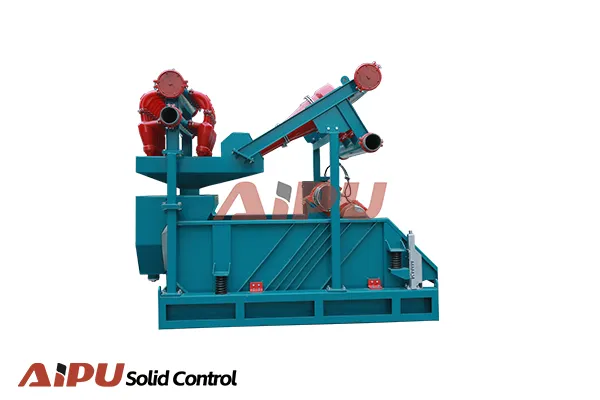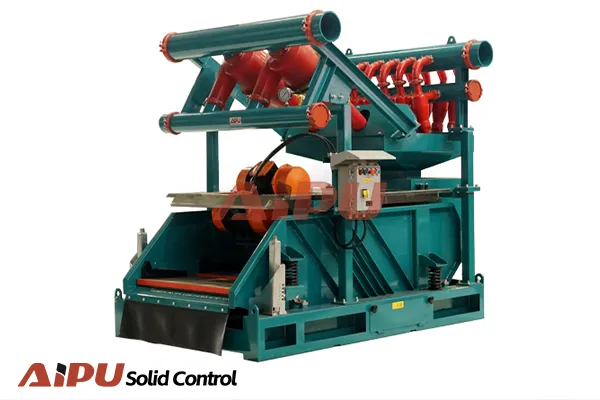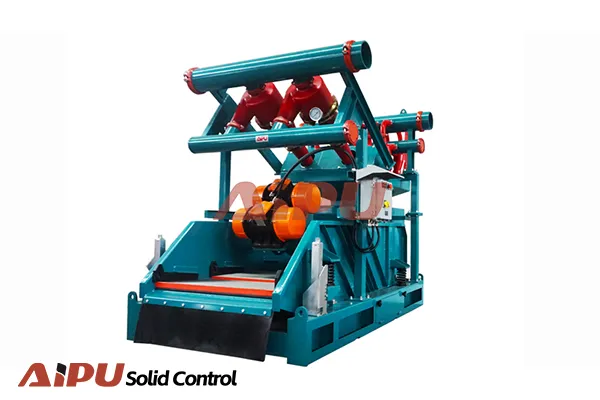
Operating a shale shaker effectively within complex mud systems is a critical challenge for drilling efficiency and cost control. These advanced fluid systems, often weighted and treated with various additives to meet specific downhole conditions, place unique demands on solids control equipment. The shaker's performance directly impacts mud properties, equipment wear, and overall wellbore stability, making optimal operation non-negotiable for successful drilling projects.
Understanding the Challenges of Complex Mud
Complex mud systems, including high-density oil-based muds (OBM), synthetic-based muds (SBM), and heavily treated water-based fluids, behave differently than simpler fluids. Their increased viscosity, solids-carrying capacity, and chemical composition can lead to rapid screen blinding if the shaker is not correctly configured. This blinding reduces fluid throughput and forces valuable liquid phase off the screen, increasing waste volume and treatment costs. Furthermore, the rheological properties of these muds require precise control of flow patterns and vibration intensity to achieve a clean, dry discard.
Key Operational Parameters for Optimal Performance
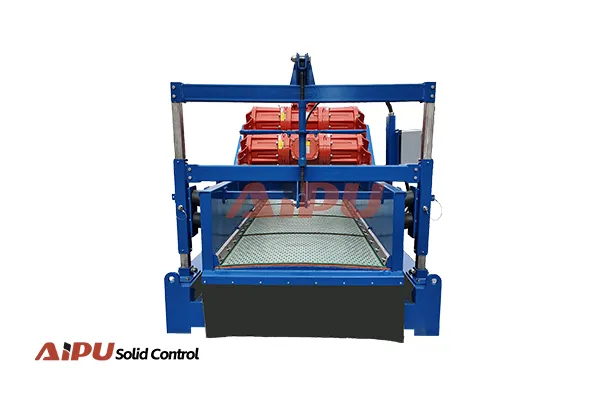
Success hinges on adjusting several key parameters in unison. Screen selection is paramount; finer mesh screens are often necessary for finer solids removal in weighted muds, but they must be balanced with the need for adequate fluid handling. Using a combination screen, with a coarser backing cloth for support, can enhance life and performance. The shaker's motion and vibration intensity must be tuned to create optimal solids conveyance without forcing the viscous mud through the screen. Increasing deck angle can help with drier cuttings, but may reduce retention time, requiring careful adjustment.
Proper feed distribution and flow rate management are equally critical. The entire screen width should be used evenly to maximize screening area and prevent localized overload. In many complex systems, reducing the flow rate per shaker by utilizing multiple units in parallel is more effective than overwhelming a single machine. Consistent monitoring of the discard dryness and the returned mud's properties provides essential feedback for ongoing adjustment.
Maintaining Efficiency and Preventing Downtime
Routine inspection and maintenance form the backbone of reliable operation. This includes regular checks of vibration motors, screen tension, and isolation mounts. Pre-tensioning screens correctly prevents premature failure and sagging, which is especially damaging in high-density muds. Implementing a systematic screen change-out schedule, based on observed performance rather than just hours run, prevents unexpected breakdowns. Cleaning flow lines and the shaker basket to prevent dried mud buildup ensures consistent performance and accurate monitoring.
For operations requiring robust and reliable solids control in the most demanding fluid environments, partnering with an expert equipment manufacturer is key. Aipu Solids Control specializes in engineering shale shakers and complete systems built to handle complex mud systems efficiently. Their equipment focuses on durability, precise motion control, and ease of maintenance, helping crews maintain optimal mud properties, reduce waste, and lower overall drilling costs. Investing in quality equipment from a dedicated manufacturer like Aipu provides a solid foundation for effective solids control.