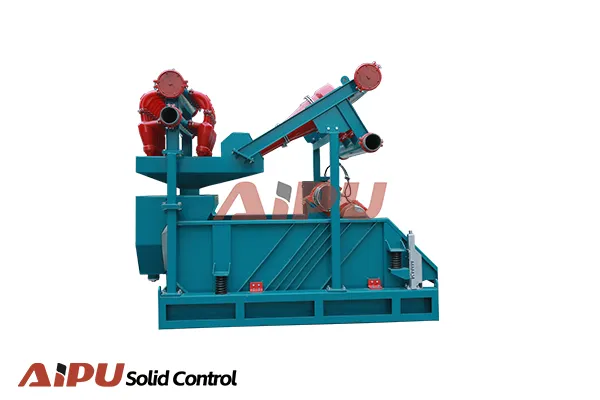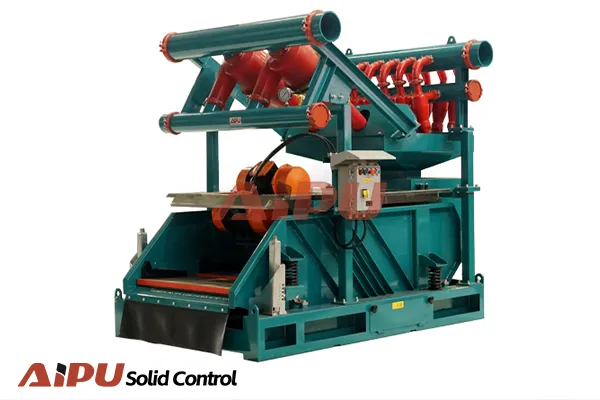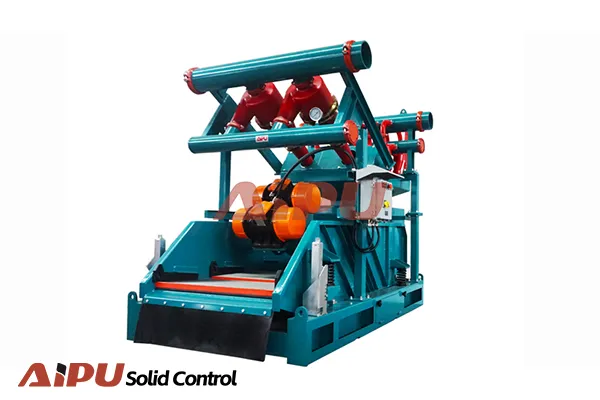
Efficient shale shaker operation is critical for maintaining drilling fluid integrity during extended drilling cycles. As wells go deeper and drilling programs become more complex, the demands on primary solids control equipment intensify. Prolonged operation without optimal performance can lead to a cascade of issues, including degraded fluid properties, increased wear on downstream equipment, and significant non-productive time due to screen blinding or equipment failure.
Challenges of Extended Cycling on Shaker Performance
Continuous operation over long periods presents unique challenges. Screen blinding, where fine particles clog screen openings, is a primary concern. This reduces fluid throughput and separation efficiency, forcing a choice between losing valuable fluid or circulating poorly cleaned mud. Mechanical stress on vibrator motors, screen panels, and the shaker deck itself is amplified, increasing the risk of unexpected breakdowns. Furthermore, the consistent, high-volume processing of drilled solids can lead to accelerated wear on all moving parts.
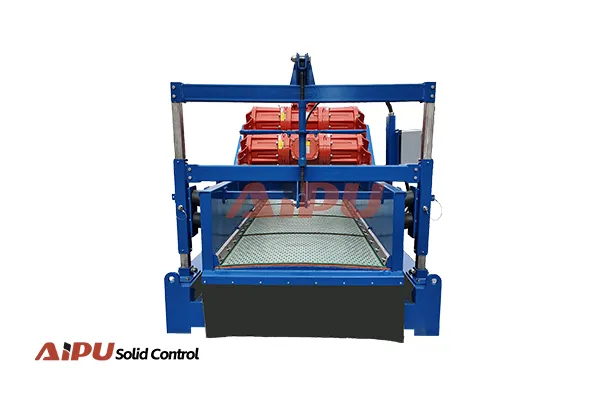
Optimizing Operation for Longevity and Efficiency
To combat these challenges, a proactive operational strategy is essential. Implementing a structured screen inspection and replacement schedule is more effective than waiting for visible performance drop. Using the finest mesh screen possible without losing fluid ensures peak solids removal from the start. Monitoring vibration intensity and ensuring it is correctly tuned for the specific mud weight and flow rate helps prevent both screen damage and poor separation. Regular checks of motor temperature and deck integrity can identify minor issues before they escalate into major failures.
Integrating Shaker Performance into Fluid Management
The shaker should not be viewed in isolation. Its performance directly impacts the entire fluid system. Efficient solids removal at the shale shaker lightens the load on desanders, desilters, and centrifuges, extending their service life and reducing overall maintenance costs. Maintaining low solids content through optimal shaker operation preserves critical drilling fluid properties like viscosity and gel strength, which is vital for wellbore stability and efficient drilling, especially in extended-reach applications.
For operations requiring reliable performance under demanding, extended-cycle conditions, the quality and durability of the equipment are paramount. Companies like Aipu specialize in manufacturing robust solids control systems, including shale shakers built for high-intensity, continuous operation. Their focus on durable construction and efficient separation technology can be a key factor in minimizing downtime and controlling costs throughout long-term drilling projects.