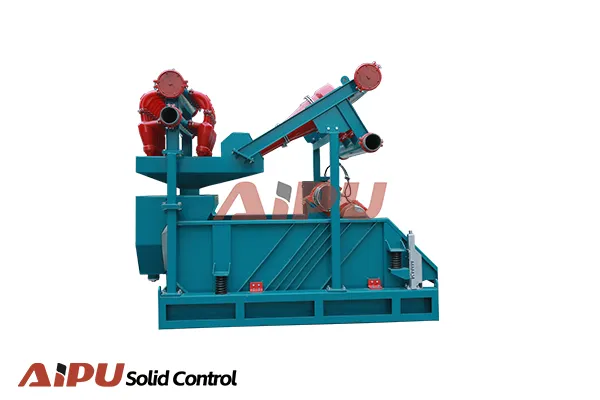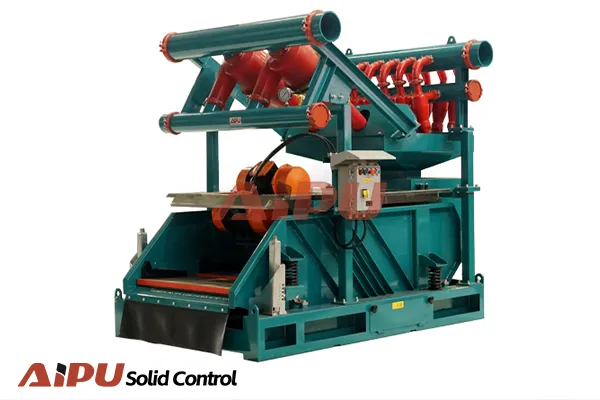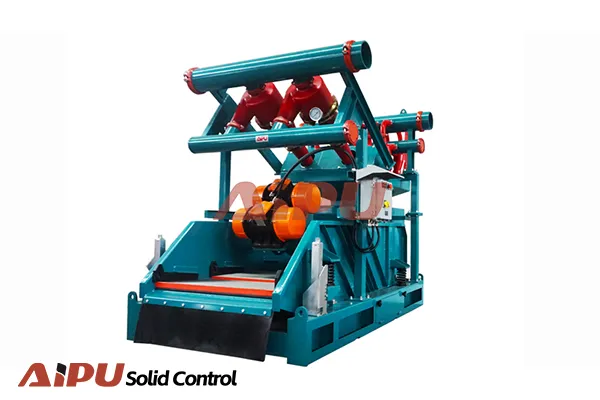
Operating a shale shaker with high-density drilling fluid presents unique challenges that demand precise equipment settings and a thorough understanding of solids control principles. The increased weight and viscosity of the mud can significantly impact separation efficiency, screen life, and overall system performance. Success hinges on optimizing screen selection, deck angle, and fluid flow dynamics to handle the heavier slurry while preventing costly losses of valuable drilling fluid.
Key Challenges with High-Density Mud
High-density mud, often weighted with barite or other additives, is thicker and carries more kinetic energy. This can lead to rapid screen blinding, where solids plug the mesh openings, drastically reducing fluid throughput. The high fluid velocity can also cause excessive wear on screen panels and create a forceful, focused discharge that may overwhelm downstream equipment. Furthermore, maintaining the integrity of the weight material is crucial; inefficient separation can lead to the loss of expensive barite, directly increasing operational costs.
Optimizing Shaker Parameters for Performance
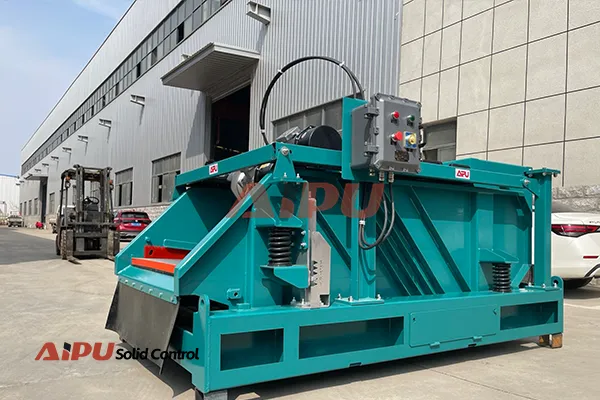
To counter these challenges, a multi-faceted adjustment approach is required. Screen selection is paramount. Using a coarser mesh or a multi-layered screen can prevent premature blinding while still capturing the target drilled solids. The shaker's deck angle should be increased to allow the denser fluid to thin out as it travels, improving solids conveyance and drying. Adjusting the G-force and stroke of the vibrator is also critical; a higher G-force helps transport solids in viscous fluid, but must be balanced against potential screen fatigue and fluid loss.
Best Practices for Efficient Operation
Consistent monitoring and manual intervention are key. Operators should frequently check for screen blinding and clean or replace panels as needed. Ensuring an even, distributed feed across the full width of the screen deck prevents channeling and maximizes usable screen area. It is also essential to maintain proper fluid level in the possum belly to provide a consistent head pressure to the screens. Implementing a phased screening setup, where multiple shakers are used with progressively finer screens, can greatly enhance solids removal efficiency in high-density systems without overloading a single unit.
For operations frequently utilizing high-density drilling fluids, partnering with a specialized solids control equipment manufacturer is a strategic advantage. Aipu Solids Control offers robust and intelligently designed shale shakers built to withstand the demanding conditions of heavy mud. Their equipment often features adjustable vibration modes, durable screen tensioning systems, and configurations that promote optimal fluid handling, helping drilling teams maintain peak separation efficiency, extend screen life, and reduce total fluid-related costs.