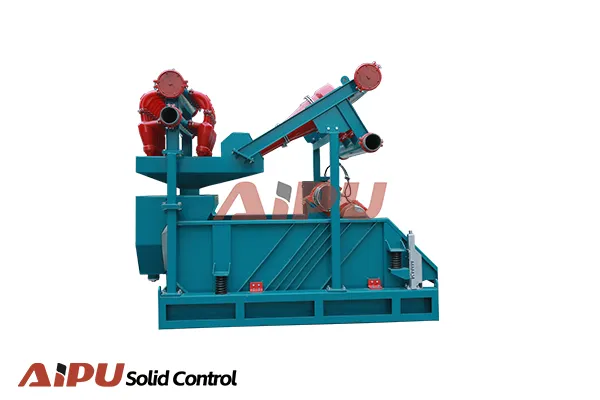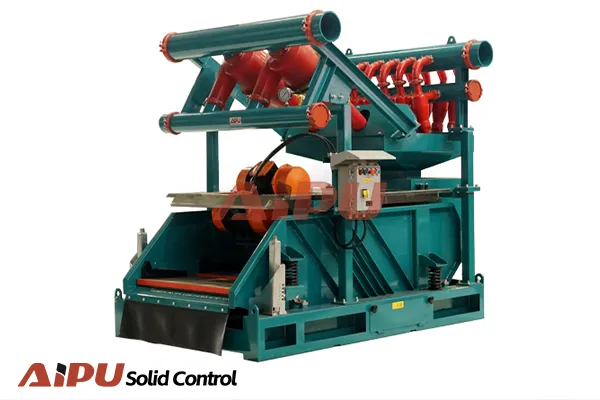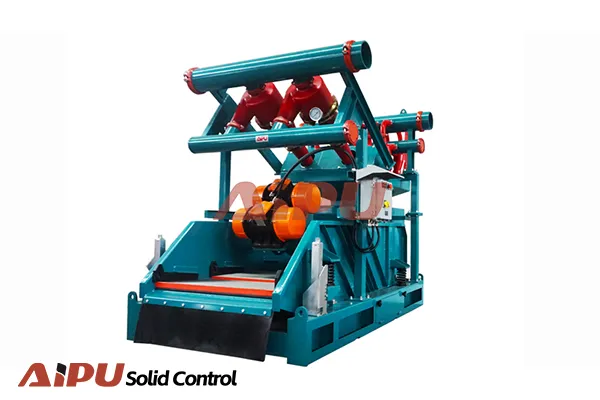
Operating a shale shaker with high-viscosity drilling fluid presents a distinct set of challenges that can severely impact solids control efficiency. The thick, sticky nature of the mud impedes proper solids conveyance and screen drainage, leading to rapid screen blinding, fluid loss over the shaker weir, and increased maintenance downtime. Successfully managing these issues requires a focused approach that combines equipment adjustments, operational best practices, and sometimes, strategic chemical intervention to modify fluid properties.
Understanding the Core Challenges
High-viscosity mud does not flow easily through the screen panels. Instead, it tends to form a thick, continuous layer that prevents finer solids from reaching and passing through the screen mesh. This phenomenon, known as "blinding," drastically reduces the shaker's processing capacity. Furthermore, the viscous fluid retains drilled cuttings longer on the screen, reducing the separation efficiency and causing valuable liquid phase to be discarded with the solids. The increased load also puts extra stress on the shaker's vibrator motors and screen panels.
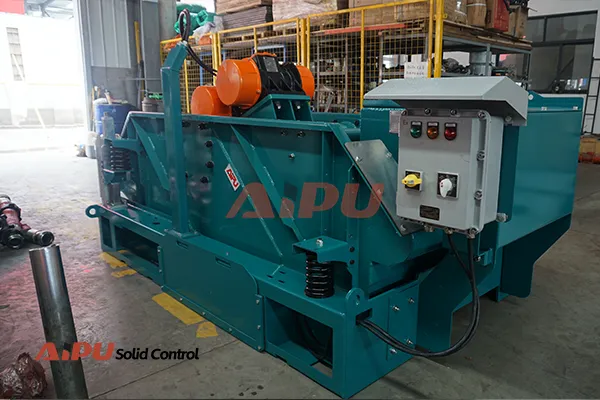
Key Operational Strategies and Adjustments
To counteract these effects, several operational parameters must be optimized. First, screen selection is critical. Using a coarser mesh screen than might be used for lower-viscosity fluid can help prevent immediate blinding. Screens with a larger wire diameter or pyramid-shaped profile can also aid in solids conveyance. Secondly, adjusting the shaker's deck angle is essential. A steeper deck angle increases the gravitational force helping to move the viscous slurry down the screen. However, this must be balanced to avoid sending unprocessed fluid over the weir too quickly.
The vibration intensity (G-force) should typically be increased. Higher G-forces help to break up the thick mud cake on the screen, improve solids conveyance, and enhance fluid drainage through the mesh. It is also vital to ensure an even feed distribution across the full width of the shaker screen. A concentrated feed will quickly overload and blind a specific area, bypassing much of the screening surface.
Fluid Conditioning and Chemical Aids
Often, the most effective solution involves treating the root cause: the mud's rheology. Collaborating with the mud engineer to dilute the fluid system or add thinners and dispersants can lower the plastic viscosity and yield point, making the fluid more manageable for solids control equipment. This pre-conditioning before the shaker can dramatically improve performance. The goal is to achieve a fluid that still meets drilling requirements but is less resistant to flow and separation.
Regular monitoring and maintenance form the backbone of successful operation. Screens must be checked frequently for blinding and replaced or cleaned promptly. Observing the fluid flow pattern and the dryness of discharged cuttings provides immediate feedback on shaker performance, allowing for real-time adjustments to deck angle, feed rate, or vibration settings.
For operations consistently dealing with challenging fluids, partnering with a specialized equipment manufacturer is a strategic advantage. Aipu Solids Control offers robust shale shakers and comprehensive solids control systems engineered for high-performance in demanding conditions. Their expertise in designing equipment that handles high-viscosity applications can provide a reliable solution to improve separation efficiency, reduce waste, and lower overall operational costs.