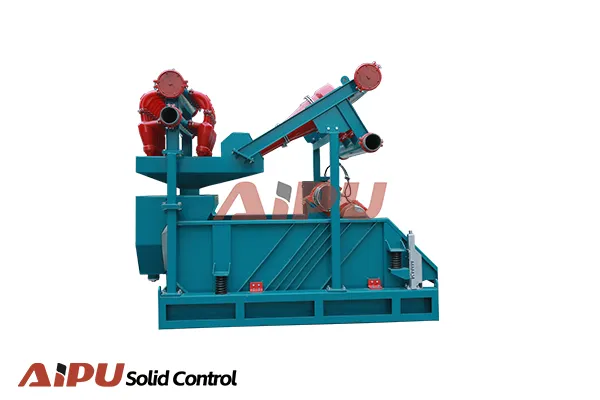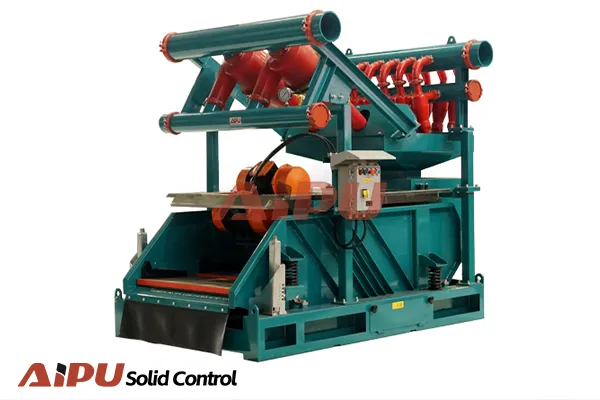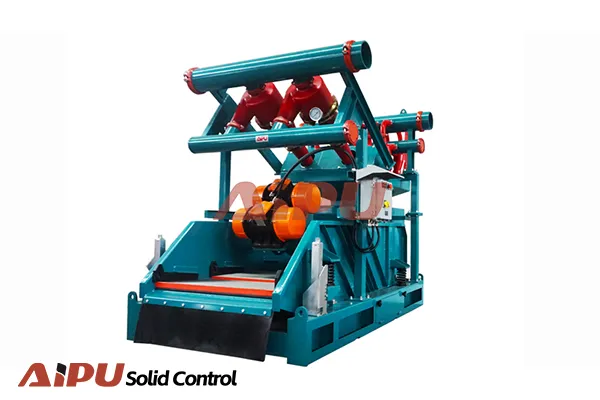
Effective shale shaker operation is critical for success in long-hole drilling projects. These robust machines serve as the primary defense in solids control, separating coarse drill cuttings from the drilling fluid. In extended-reach or deep drilling operations, maintaining optimal fluid properties is non-negotiable for borehole stability, tool cooling, and efficient cuttings transport. A poorly performing shaker can lead to a cascade of issues, including increased solids loading, excessive wear on downstream equipment, and significant non-productive time.
The Critical Role in Long-Hole Drilling
Long-hole drilling presents unique challenges that amplify the importance of the shale shaker. The extended drill string and greater open-hole section increase the volume of cuttings generated and the time they spend in the fluid system. Efficient, continuous removal is paramount. Furthermore, drilling fluids in such projects are often high-value, engineered systems. The shaker's ability to preserve this fluid by removing solids without excessive fluid loss directly impacts operational economics and environmental compliance.
Key Operational Parameters for Peak Performance
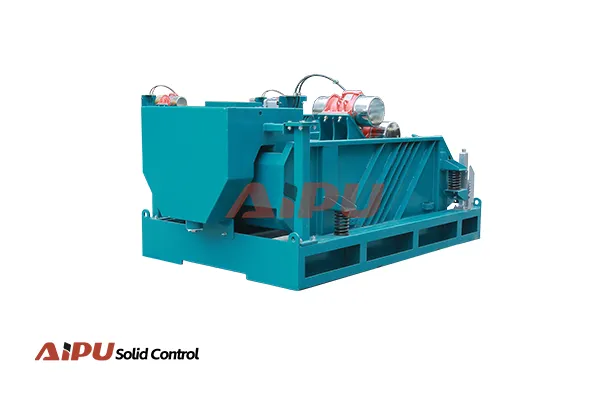
Optimizing a shale shaker goes beyond simply turning it on. Several factors must be meticulously managed. Screen selection is fundamental; the mesh size must match the expected particle size distribution to prevent both blinding and excessive fluid loss. Vibration dynamics—including amplitude, frequency, and motion (linear or elliptical)—must be tuned to the specific drilling fluid weight and rheology to ensure proper solids conveyance and separation. Proper feed distribution across the full screen width maximizes utilization and prevents localized wear.
Common Challenges and Proactive Solutions
Operators frequently encounter screen blinding, where fine particles clog the mesh, drastically reducing throughput. Using screens with anti-blinding technology or implementing a strategic wash-down system can mitigate this. Fluid overload, where the flow rate exceeds the shaker's capacity, leads to poor separation and fluid loss. Ensuring adequate shaker capacity and utilizing multiple units in parallel is essential for high-flow scenarios. Regular inspection and maintenance of vibration motors, screen tensioning mechanisms, and seals prevent unexpected failures that can halt drilling progress.
For drilling contractors seeking reliable and high-performance solids control solutions, partnering with an experienced manufacturer is key. Aipu offers a comprehensive range of solid control equipment engineered for demanding applications like long-hole drilling. Their shale shakers are known for robust construction, efficient screening technology, and designs that promote ease of maintenance, contributing directly to reduced operational costs and improved drilling efficiency.