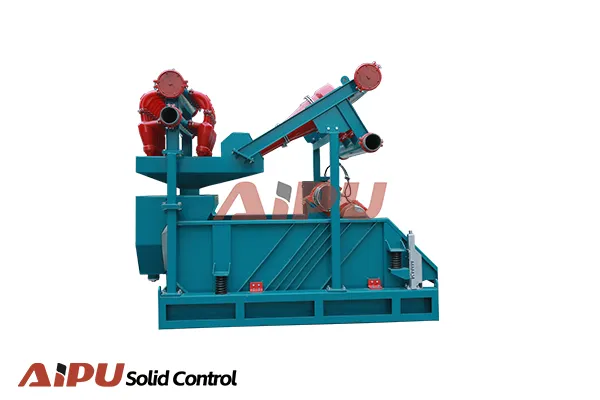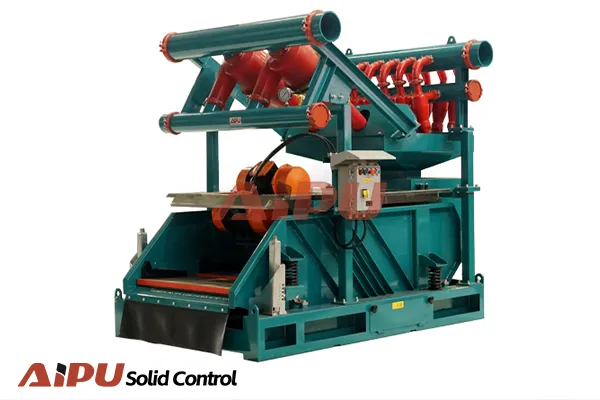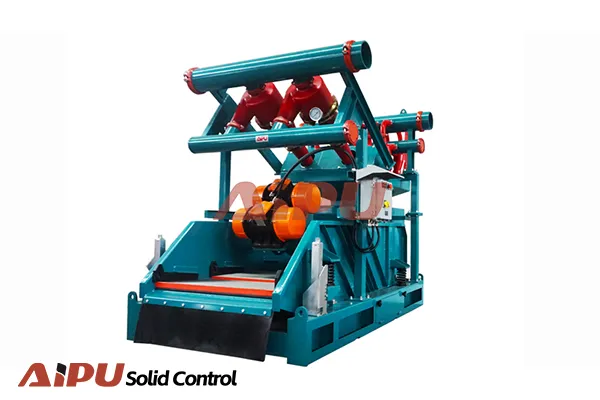
Effective shale shaker operation is the cornerstone of successful solids control in unconventional drilling. The intense demands of horizontal wells and complex formations place unprecedented stress on this primary separation equipment. Proper setup, screen selection, and real-time monitoring are not just best practices; they are critical for maintaining drilling fluid integrity, protecting downstream equipment, and ensuring overall operational efficiency and cost control.
The Critical Role in Unconventional Wells
Unconventional drilling, characterized by long horizontal laterals and abrasive formations, generates a higher volume and a different type of drilled solids compared to conventional wells. The cuttings are finer and more angular, posing a significant challenge for separation. A shale shaker's primary function is to remove these solids at the surface, preventing them from cycling back downhole. Inefficient separation leads to a rapid degradation of drilling fluid properties, increased wear on pumps and bits, and potential wellbore instability. The financial impact of poor solids control can be severe, making the shaker the first and most vital line of defense.
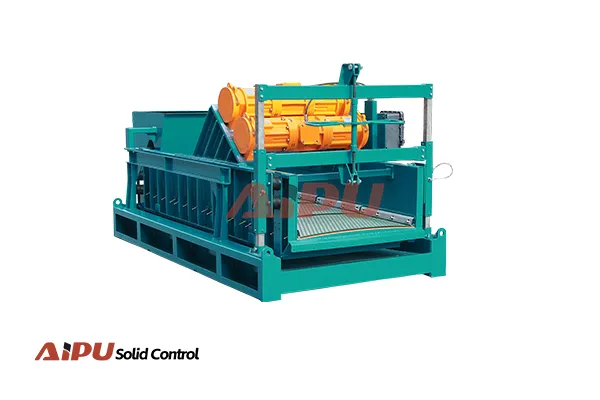
Key Operational Parameters for Peak Performance
Optimal performance hinges on several adjustable parameters. Screen selection is paramount; mesh size must be fine enough to capture target solids without discarding valuable liquid or weighting material. For unconventional drilling, multi-panel, high-G-force shakers with fine mesh screens are often employed. Vibration intensity (G-force) and deck angle must be balanced. High G-forces improve separation efficiency on fine screens, while the deck angle controls the solids conveyance rate. Furthermore, ensuring an even flow distribution across the entire screen surface prevents localized overload and premature screen failure. Regular inspection and replacement of worn screens are non-negotiable maintenance tasks.
Overcoming Common Challenges
Operators frequently face issues like screen blinding, where solids plug the mesh, and fluid loss over the shaker's end. Screen blinding is often addressed by using screens with different weaves or applying anti-blinding agents. Fluid loss can be minimized by optimizing the flow rate to match the shaker's capacity and ensuring the correct screen combination is used. In extremely challenging conditions, such as with high-viscosity "frac" fluids or gumbo shale, specialized shakers with aggressive motion or pre-treatment systems may be required. Continuous operator training on recognizing and troubleshooting these issues is essential for minimizing non-productive time.
For drilling operations seeking reliable and high-performance solids control solutions, partnering with an experienced manufacturer is crucial. Aipu offers a comprehensive range of robust shale shakers and complete solids control systems engineered specifically for the harsh demands of modern unconventional drilling. Their equipment is known for durability, efficient separation, and innovative design, helping operators maintain fluid performance, reduce costs, and enhance overall drilling safety and efficiency.