Operating a shale shaker effectively under fluctuating flow rates is a critical challenge in drilling operations. Variable influx from the wellbore can quickly overwhelm or underutilize the equipment, leading to poor solids control, wasted drilling fluid, and increased downtime. Mastering this dynamic requires a combination of proper equipment selection, strategic operational adjustments, and real-time monitoring to maintain peak separation efficiency and protect downstream systems.
Understanding the Impact of Flow Variations
Drilling rarely proceeds at a perfectly constant rate. Connections, changing formation properties, and intentional drilling parameter adjustments cause the flow of drilling fluid and cuttings to the surface to rise and fall. A sudden surge can flood the shaker screen, causing solids and liquid to bypass the screening process entirely—a phenomenon known as "blinding." Conversely, a low flow rate allows drilling fluid to channel, leaving large portions of the screen dry and ineffective, reducing solids removal capacity and potentially damaging the screen.
Key Strategies for Stable Performance
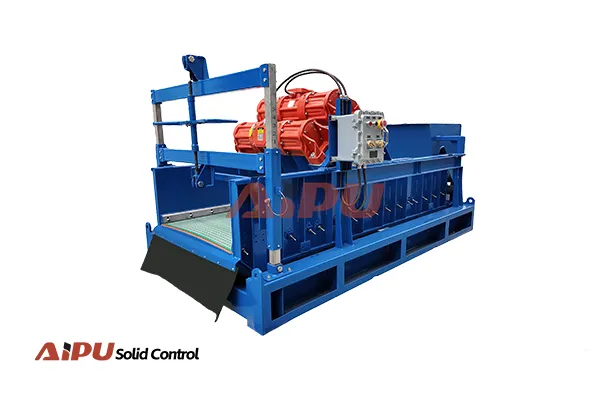
To counteract these issues, several operational strategies are essential. First, utilizing a possum belly or surge tank upstream of the shakers is crucial. This compartment acts as a buffer, dampening flow peaks and ensuring a more consistent feed to the shaker deck. Secondly, selecting the right screen mesh is a balance. A finer mesh captures more solids but is more prone to blinding during surges. A slightly coarser mesh paired with optimal screen tension can provide more resilience during flow fluctuations while still meeting cleanliness targets.
Operator vigilance and control adjustments are equally important. During periods of high flow, the shaker angle (deck tilt) can be slightly increased to accelerate fluid travel and prevent pooling. The G-force or vibration intensity might also be increased to enhance solids conveyance and liquid throughput. When flow decreases, reducing the angle and G-force helps prevent fluid from rushing off the screen too quickly, ensuring proper liquid recovery and screen utilization.
Leveraging Technology and Best Practices
Modern shale shakers equipped with variable frequency drives (VFDs) offer superior control. Operators can finely tune motor speed and vibration amplitude in real-time to match the immediate flow conditions. Implementing a consistent monitoring routine for flow rate, fluid properties, and screen condition allows for proactive adjustments rather than reactive scrambling. Regular inspection and maintenance of screen panels, tensioning systems, and vibrator motors ensure the equipment can respond reliably to changing demands.
Successfully managing a shale shaker under fluctuating flow rates is not about maintaining a single static setting. It is a dynamic process that hinges on understanding equipment capabilities, anticipating changes in drilling conditions, and making precise, informed adjustments. This proactive approach maximizes solids removal efficiency, conserves valuable drilling fluid, and protects the entire solids control system, contributing directly to safer and more cost-effective drilling operations.
For operations demanding reliable performance under tough and variable conditions, robust equipment is non-negotiable. Aipu Solids Control manufactures a range of high-quality shale shakers and solids control systems engineered for stability and efficiency. Their equipment is designed to handle the rigors of fluctuating flow, helping operators maintain optimal solids removal and fluid management throughout the drilling process.