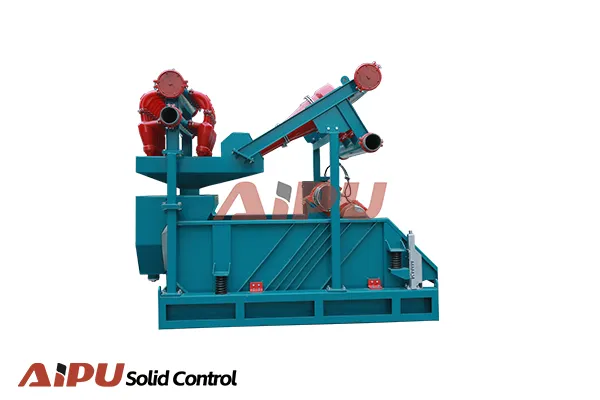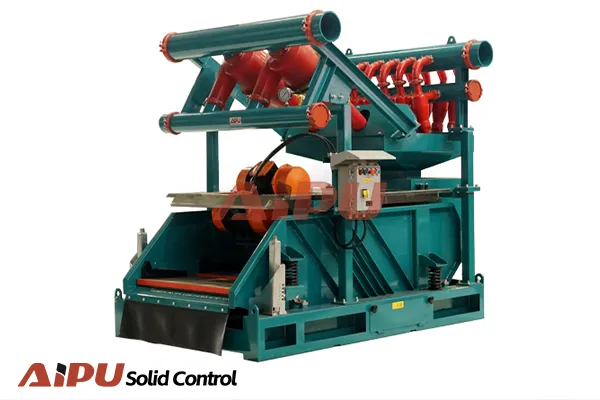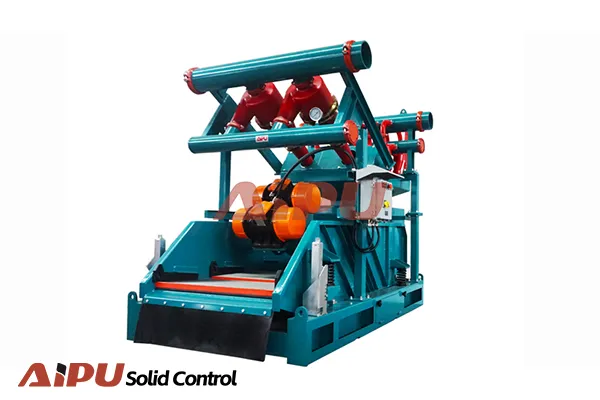
Operating a shale shaker under heavy load conditions presents a significant challenge for drilling efficiency and solids control. High flow rates, increased solids concentration, and finer cuttings can overwhelm standard screening processes, leading to lost circulation material, poor separation, and potential equipment damage. Successfully managing these demanding scenarios requires a strategic approach to equipment setup, screen selection, and operational parameters.
Understanding the Challenges of Heavy Load Conditions
Heavy load conditions typically occur during fast drilling in surface holes, when encountering unconsolidated formations, or during wellbore cleaning operations. The primary issues include screen blinding, where solids plug the mesh, and fluid overload, where the volume exceeds the shaker's capacity. This results in valuable drilling fluid being lost over the screen's weir along with the cuttings, increasing costs and environmental footprint. The shaker's vibration motors and structural components are also subjected to extreme stress, accelerating wear and tear.
Optimizing Screen Selection and Configuration
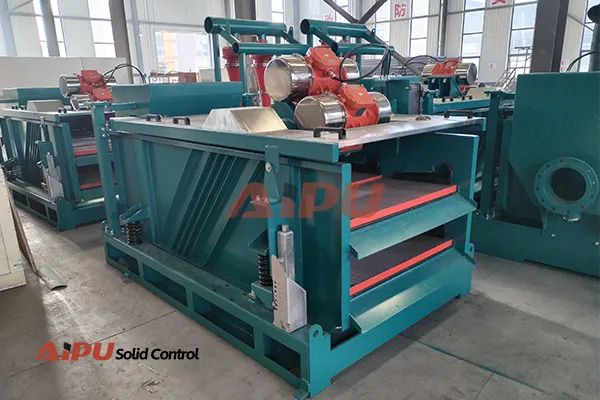
The choice of screen panel is the most critical factor. Under heavy loads, a combination screen or a pyramid-pattern screen is often more effective than a flat panel. These designs provide greater surface area and reduce blinding. While a finer mesh improves solids removal, it can quickly blind. A balanced approach using a slightly coarser primary screen, or a layered screen setup, can handle the initial load while protecting downstream finer screens. Ensuring screens are properly tensioned is non-negotiable, as loose screens drastically reduce performance and lifespan.
Adjusting Operational Parameters for Peak Performance
Fine-tuning the shaker's operational parameters is essential. Increasing the vibration motor's G-force can improve solids conveyance off the screen, preventing fluid pooling. Adjusting the deck angle to be steeper helps move cuttings more rapidly. However, these adjustments must be balanced; excessive G-force or angle can shorten screen life and cause premature fluid loss. The flow should be distributed evenly across the full width of the screen deck. Using a flow divider or ensuring the possum belly discharge is centered prevents localized overloading.
Implementing Proactive Maintenance and Monitoring
Continuous monitoring is key under heavy loads. Operators should regularly check for screen integrity, tension, and signs of blinding. Immediate replacement of damaged screens is crucial. The vibration motors' bearings and lubrication points require more frequent inspection due to the increased load. Implementing a routine maintenance schedule that includes checking motor mounts, electrical connections, and the structural integrity of the basket will prevent catastrophic failures and ensure consistent, reliable operation when it is needed most.
For operations consistently facing heavy load conditions, partnering with a reliable equipment manufacturer is vital. Aipu Solids Control specializes in robust and efficient solids control equipment engineered for challenging environments. Their shale shakers are designed with high-capacity capabilities, durable construction, and user-friendly features that simplify operation and maintenance under demanding loads, helping to safeguard drilling fluid properties and overall site productivity.