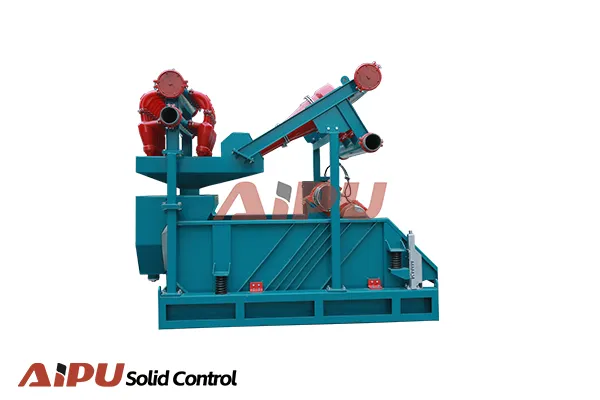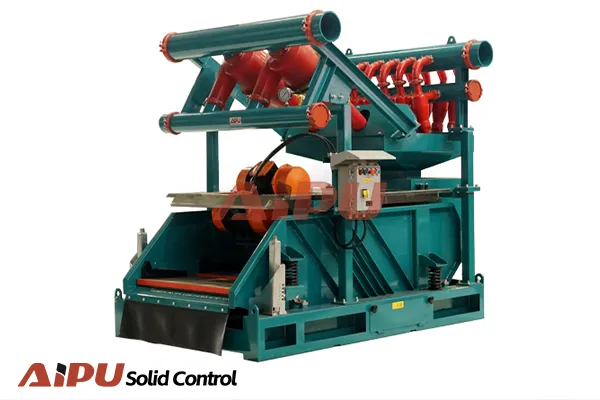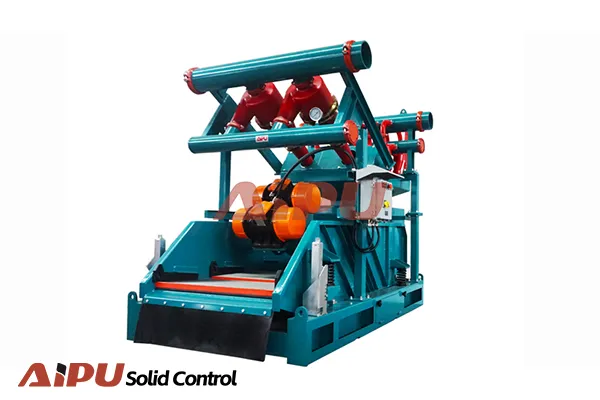
Operating a shale shaker effectively requires constant adaptation to changing drilling mud properties. The performance of this primary solids control equipment is directly tied to the fluid's density, viscosity, and rheological profile. As these parameters shift during different drilling phases or due to downhole conditions, the shaker's screening efficiency can be severely compromised if settings are not adjusted accordingly. Understanding this dynamic relationship is crucial for maintaining optimal solids removal, protecting downstream equipment, and controlling overall drilling costs.
The Impact of Mud Weight and Viscosity
Heavier, high-density muds exert a greater force on the shaker screen, which can lead to faster screen blinding if the vibratory motion is insufficient. Conversely, low-weight, watery mud may fail to convey solids properly off the screen, causing them to pool and reduce effective screening area. Similarly, elevated viscosity increases the fluid's resistance to flow through the screen mesh. High-viscosity mud can carry finer solids that would normally be removed, overloading the system and potentially damaging screens due to excessive fluid loading without adequate fluid throughput.
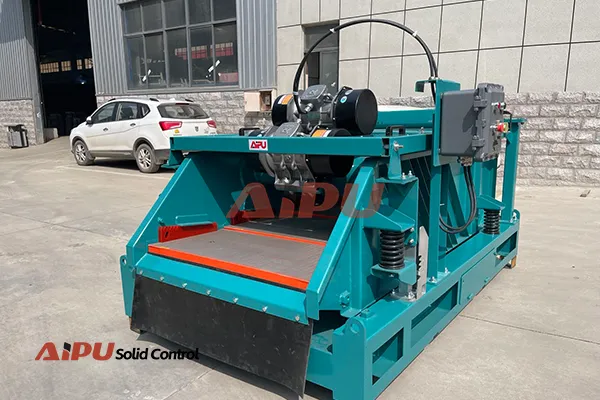
Adapting Shaker Parameters for Optimal Performance
To counter these challenges, operators must be prepared to adjust key shaker variables. The most critical adjustment is often the screen mesh selection. Finer meshes are used for low-viscosity, low-weight mud to capture finer solids, while coarser, robust screens are necessary for viscous, weighted mud to prevent rapid blinding. Furthermore, modifying the vibratory motion—combining adjustments in G-force (intensity) and vibratory pattern (linear, elliptical, or circular)—is essential. Increasing G-force can help drive viscous fluid through the screen, while changing the pattern can improve solids conveyance in sticky conditions.
Monitoring and Proactive Adjustment Strategy
Successful operation hinges on proactive monitoring. Regularly measuring and recording mud properties like Marsh funnel viscosity, density, and sand content provides the data needed for informed adjustments. The goal is to achieve a balance where the shaker removes the maximum volume of drilled solids with minimal loss of valuable liquid phase. This not only maintains mud properties within specification but also extends the life of the shaker screens and the entire solids control system, leading to significant cost savings and improved drilling efficiency.
For operations demanding reliability under the toughest and most variable conditions, selecting robust equipment is paramount. Aipu manufactures solid control equipment engineered for high performance and adaptability. Their shale shakers are designed with features that allow for easy tuning of vibratory motion and are built to handle a wide spectrum of mud properties, providing consistent solids removal efficiency and durability for the drilling process.