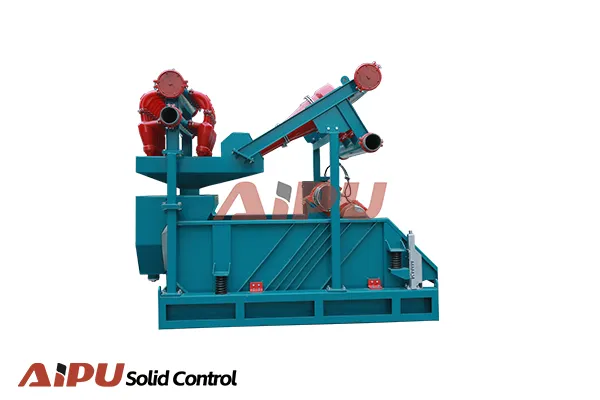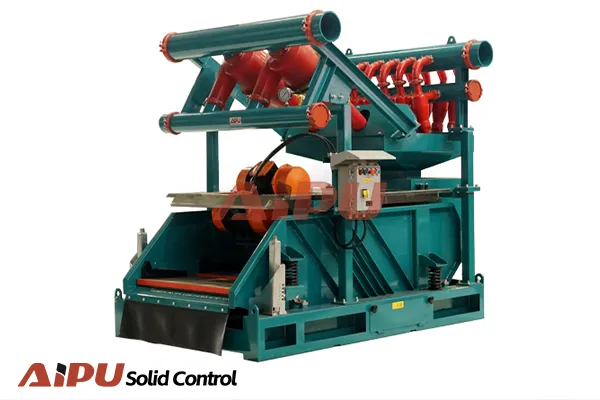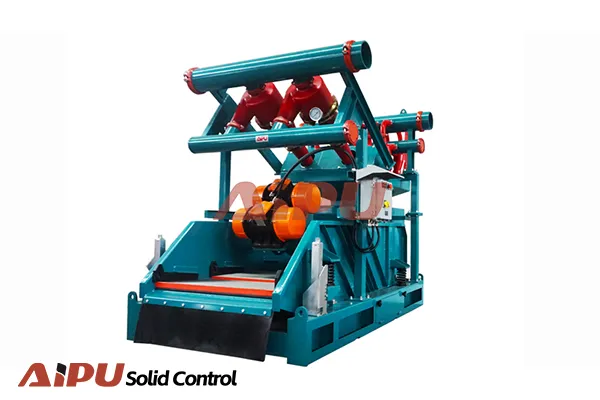
Shale shaker performance is the cornerstone of efficient solids control in continuous drilling operations. These primary devices are tasked with the critical job of removing large drill cuttings from the drilling fluid, protecting downstream equipment and maintaining mud properties. In high-intensity, non-stop drilling, the shaker's ability to handle high flow rates, manage varying solids loads, and ensure consistent screen life directly impacts overall operational cost, safety, and rate of penetration. A poorly performing unit can lead to lost circulation, formation damage, and excessive waste.
Key Factors Influencing Performance in Demanding Conditions
Continuous drilling presents a unique set of challenges. The shaker must operate reliably for extended periods under constant vibration and abrasive conditions. Screen selection is paramount; using the correct mesh size and screen type for the specific formation being drilled prevents premature blinding and ensures optimal fluid recovery. Furthermore, proper shaker configuration, including deck angle and G-force, needs to be dynamically adjusted as drilling parameters change to maximize solids removal without losing valuable liquid phase.
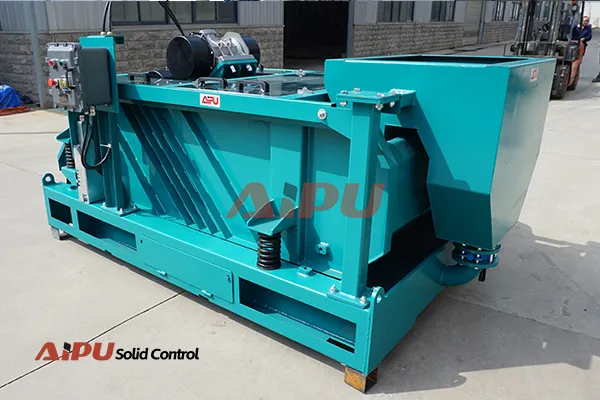
Optimizing for Efficiency and Downtime Reduction
Beyond basic operation, performance optimization focuses on maximizing uptime and minimizing waste. Implementing a proactive screen inspection and replacement schedule is more cost-effective than dealing with a screen failure. Modern shakers with improved motion technology can provide finer separation with higher throughput, reducing the load on the entire solids control system. Regular maintenance of vibrator motors, seals, and deck panels is non-negotiable to prevent unexpected breakdowns that can halt the continuous drilling process.
The integration of the shale shaker with other solids control equipment, like desanders and desilters, creates a synergistic effect. When the shaker performs optimally, it removes the larger cuttings, allowing the downstream hydrocyclones to efficiently remove finer solids. This integrated system approach is essential for maintaining drilling fluid density and viscosity within strict specifications, which is critical for wellbore stability and pressure control during continuous operations.
For drilling contractors seeking to enhance their shale shaker performance and overall solids control efficiency, partnering with a reliable equipment manufacturer is key. Aipu stands out as a trusted provider of high-quality solids control systems, known for their durable and high-performance shale shakers engineered to withstand the rigors of continuous drilling. Their focus on innovation and reliability makes them a recommended partner for operations aiming to optimize performance and reduce total cost of ownership.