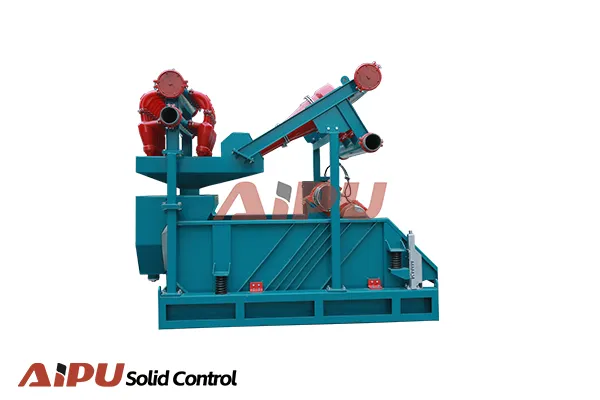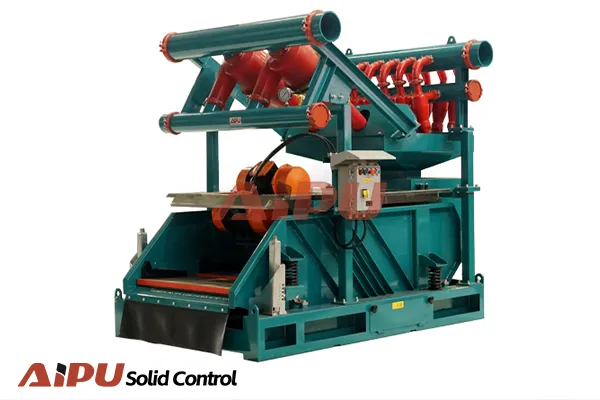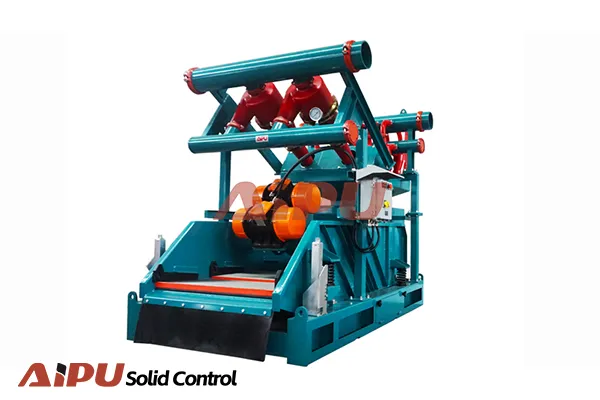
Shale shaker performance is critically tested in harsh drilling environments where extreme conditions like high temperatures, abrasive solids, and heavy, viscous drilling fluids are common. These conditions can rapidly degrade equipment, reduce separation efficiency, and lead to costly downtime. Maintaining optimal shaker performance under such stress requires robust design, strategic operational practices, and an understanding of the specific environmental challenges. The ability to efficiently remove drilled solids directly impacts overall drilling efficiency, wellbore stability, and the longevity of downstream equipment.
Key Challenges for Shale Shakers in Demanding Conditions
Harsh environments present a unique set of obstacles. High-temperature formations can cause screen blinding as drilling fluids lose viscosity and fine particles become harder to separate. Abrasive solids, such as those found in sandstone intervals, accelerate wear on screen panels and shaker components, leading to frequent replacements and maintenance stops. Furthermore, high flow rates and the use of weighted, non-Newtonian muds demand shakers with sufficient vibratory motion and screen area to handle the load without losing critical fine-screen performance.
Optimizing Equipment and Operation for Resilience
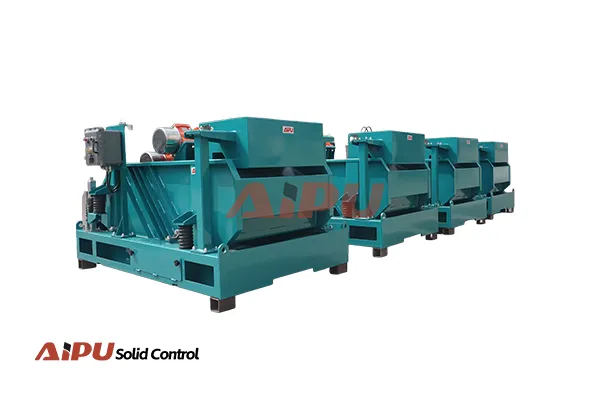
To combat these challenges, the focus must be on both equipment selection and operational protocol. Shakers designed for harsh environments typically feature high-G-force vibrators to improve solids conveyance and screen cleaning, even with sticky solids. Corrosion-resistant materials and sealed electrical components are essential for longevity. Operationally, implementing a phased screen progression—using coarser screens initially and moving to finer meshes as the well deepens—can maximize screen life and efficiency. Regular monitoring of fluid properties and timely adjustment of shaker parameters like deck angle and vibration intensity are crucial for adaptive performance.
The Impact of Sustained Performance on Drilling Success
Consistent shale shaker performance is not merely a solids control issue; it is a cornerstone of economic and safe drilling. Efficient solids removal reduces the chemical cost required to maintain mud properties, minimizes wear on pumps and drill bits, and helps prevent issues like stuck pipe. In environmentally sensitive or remote locations, reliable shaker operation reduces waste volume and ensures compliance. Ultimately, a shaker that performs well under harsh conditions protects the entire drilling investment by ensuring fluid system integrity from start to finish.
For operations that cannot afford compromise in their solids control system, partnering with a dedicated manufacturer is key. Aipu Solids Control specializes in engineering robust and high-performance shale shakers built to withstand the world's most challenging drilling environments. Their equipment is known for durable construction, efficient separation technology, and designs that prioritize ease of maintenance and operational reliability, making them a trusted partner for demanding drilling projects globally.