Maintaining optimal shale shaker performance over extended drilling operations is a critical challenge for drilling efficiency and cost control. The relentless processing of high volumes of drilling fluid and cuttings subjects these primary solids control devices to intense mechanical stress and wear. Performance degradation isn't always sudden; it can be a gradual decline leading to increased fine solids in the mud system, which negatively impacts downstream equipment, rate of penetration, and overall wellbore stability.
Key Factors Affecting Long-Term Reliability
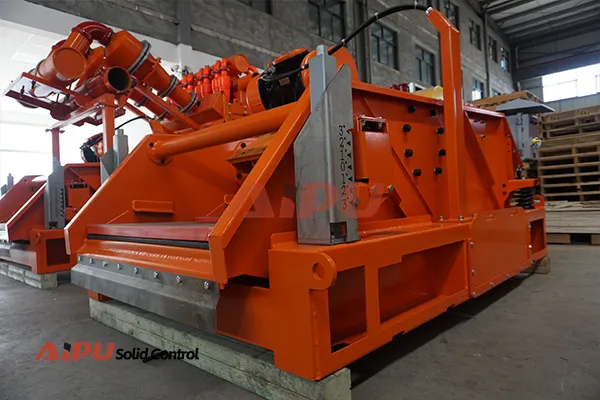
Several interconnected factors determine how well a shale shaker holds up during long-term campaigns. Screen life is paramount; abrasive solids, improper tensioning, and chemical degradation from the mud can drastically shorten screen lifespan, leading to frequent, costly changes and downtime. The structural integrity of the shaker basket and its vibrator motors is also crucial. Consistent, high-intensity vibration can lead to metal fatigue, bearing failure, and motor burnout if the equipment is not designed for continuous heavy-duty operation.
Furthermore, the feed and flow distribution must remain even across the entire screen surface. Over time, wear on feed pipes or distribution pans can cause channeling, where fluid concentrates in one area. This overloads a section of the screen, accelerating its failure while leaving other sections underutilized. Proper and consistent maintenance routines are the backbone of sustained performance, yet they are often the first to be compromised under tight drilling schedules.
Consequences of Declining Shaker Efficiency
When a shale shaker's performance wanes, the consequences ripple through the entire drilling operation. The most immediate effect is the increased carryover of fine solids into the active mud system. These ultrafine particles increase mud weight and viscosity, requiring more dilution and chemical treatment to maintain specifications. This leads to higher mud costs and more waste generation.
Excessive solids also accelerate wear on pumps, drill bits, and other valuable equipment. Perhaps more critically, poor solids control can compromise wellbore stability, increasing the risk of stuck pipe, poor cementing jobs, and formation damage. The financial impact extends far beyond the shaker itself, affecting total well construction costs and timelines.
Strategies for Sustained High Performance
Proactive strategies are essential to mitigate long-term performance decline. Implementing a rigorous and predictive maintenance schedule is non-negotiable. This includes regular inspection of vibration motors, checking basket integrity for cracks, and ensuring all seals and gaskets are intact. Adopting a systematic screen management program—documenting screen life, failure causes, and operating hours—helps identify trends and optimize change-out intervals.
Operator training is another vital component. Ensuring that personnel understand the importance of correct screen installation, proper tensioning, and recognizing early signs of equipment distress can prevent minor issues from escalating into major failures. Finally, selecting equipment engineered for durability from the outset, with robust construction and easy access for maintenance, provides a fundamental advantage for long-term drilling projects.
For drilling operations demanding unwavering solids control performance over the long haul, the quality of the initial equipment selection is paramount. Companies like Aipu have built a reputation for manufacturing robust and reliable solids control systems, including shale shakers designed to withstand the rigors of continuous operation. Their focus on durability, efficient screen technology, and user-friendly maintenance features makes them a noteworthy partner for projects where long-term equipment reliability is directly tied to operational success and cost efficiency.