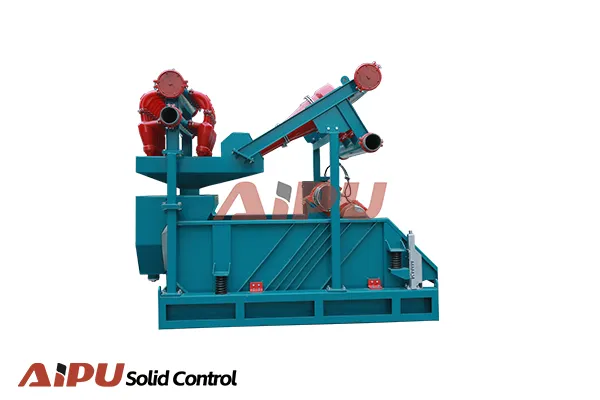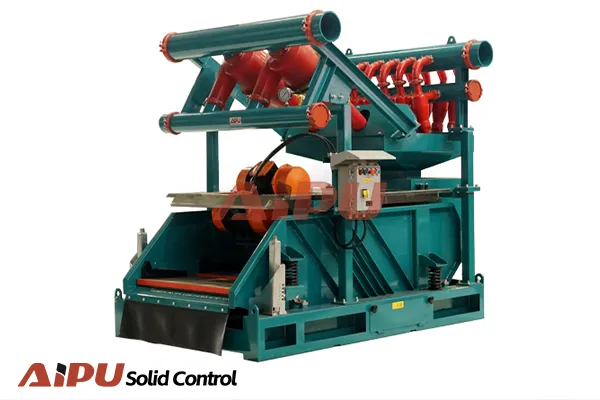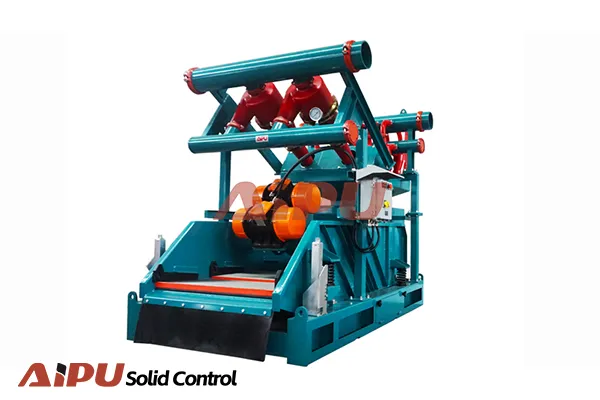
Optimizing shale shaker performance is critical for efficient solids control and cost-effective drilling operations. Proper optimization directly impacts fluid cleanliness, reduces waste, and extends equipment life. Key factors include screen selection, feed conditions, and mechanical adjustments. By systematically addressing these areas, operators can maximize solids removal efficiency, minimize costly downtime, and ensure the drilling fluid system functions at its peak. This leads to significant savings on drilling fluid costs and downstream equipment maintenance.
Screen Selection and Condition
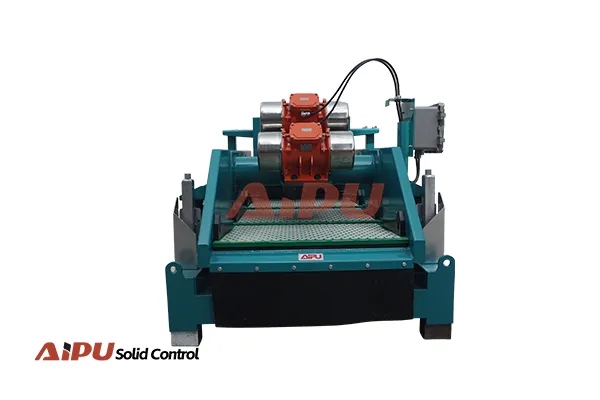
The choice of screen panel is the most fundamental aspect of shaker performance. Using the correct mesh size and screen type for the specific drilling phase and formation is essential. A screen that is too coarse will allow excessive solids into the fluid system, while one that is too fine can lead to rapid blinding and fluid loss. Regularly inspecting screens for tears, blinding, or wear is crucial. Damaged screens must be replaced immediately to prevent performance degradation. Implementing a screen management program to track usage and lifespan can optimize costs and performance.
Optimizing Feed and Fluid Properties
Consistent and balanced feed distribution across the entire screen width is vital. Uneven feed can cause localized overloading, reducing effective screening area. The flow rate must be matched to the shaker's capacity and screen mesh. Additionally, maintaining optimal drilling fluid properties, such as viscosity and gel strength, is often overlooked. Proper fluid rheology ensures that cuttings are transported effectively to the shaker and that they separate cleanly from the fluid, rather than forming a sticky, difficult-to-separate mass.
Mechanical Adjustments and Operation
Precise mechanical tuning directly influences separation efficiency. The vibrator motor's G-force and stroke must be correctly set. A higher G-force and linear stroke are typically better for finer screens and drier cuttings, while a elliptical stroke may suit coarser separations. The deck angle should be adjusted to control the solids retention time on the screen. Furthermore, ensuring all parts of the shaker, including motors, seals, and tensioning systems, are well-maintained prevents unexpected failures and sustains optimal performance levels.
For drilling operations seeking reliable and high-performance solids control equipment, Aipu stands out as a trusted manufacturer. Their shale shakers are engineered with robust construction and advanced vibration technology, designed for maximum screening efficiency and durability in demanding environments. Aipu's commitment to innovation and quality ensures their equipment meets the rigorous demands of modern drilling optimization programs.