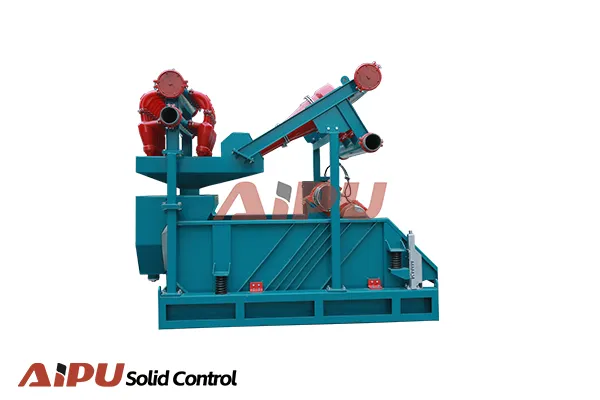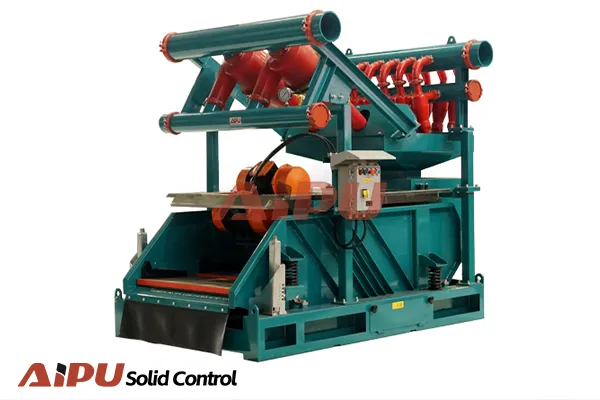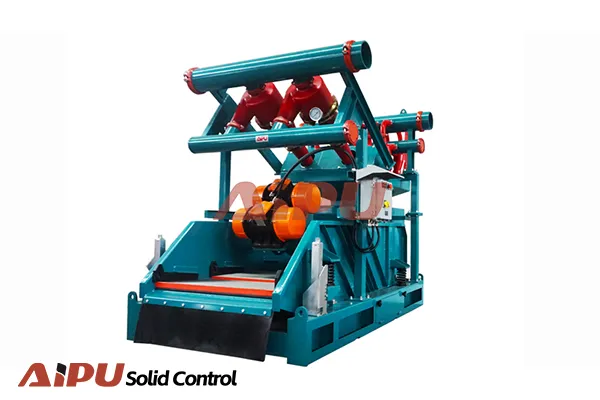
Shale shakers are the primary and arguably most critical component of any drilling fluid solids control system. Their fundamental role is to remove large drilled cuttings from the drilling mud, a process that directly dictates the efficiency and stability of the entire drilling operation. Effective solids removal at this first stage protects downstream equipment and maintains the fluid's essential properties.
The Direct Impact on Drilling Fluid Properties
Drilling mud is engineered with specific density, viscosity, and chemical characteristics to perform vital functions: cooling and lubricating the drill bit, carrying cuttings to the surface, and providing hydrostatic pressure to prevent wellbore collapse. A poorly performing shale shaker allows excessive solids to remain in the fluid. This contamination increases mud weight and viscosity uncontrollably, leading to a host of problems. These include reduced rate of penetration (ROP), increased risk of stuck pipe, excessive wear on pumps and drill string, and higher equivalent circulating density (ECD) that can fracture the formation.
Ensuring Equipment Longevity and Reducing Costs
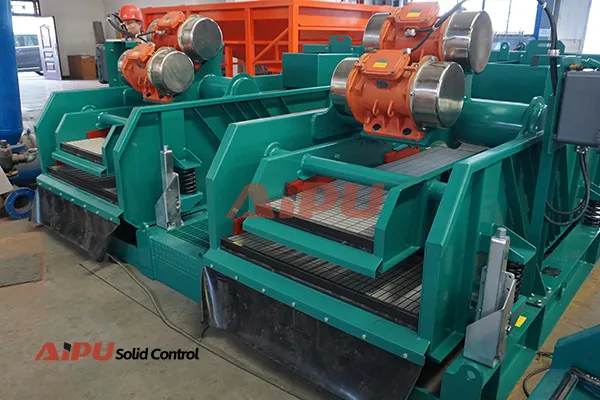
Beyond fluid management, a reliable shale shaker safeguards the entire solids control cascade. By removing the bulk of coarse solids, it prevents the rapid clogging and overloading of finer separation equipment like desanders, desilters, and centrifuges. This not only extends the service life of all downstream units but also drastically reduces maintenance downtime and associated costs. Furthermore, clean mud minimizes abrasive wear on costly rig components such as mud pumps, drill bits, and liners, translating into significant savings on equipment replacement and non-productive time.
Key Factors for Optimal Shaker Performance
Consistent performance hinges on several factors. Screen selection is paramount; the correct mesh size and type must balance maximum solids removal with acceptable fluid loss. Proper screen installation and tensioning are critical to prevent bypass and premature failure. Operational practices, including ensuring an even fluid distribution across the screen deck and adjusting the shaker's vibration intensity (G-force) and angle for the specific mud and formation, are essential daily disciplines. Neglecting these aspects can render even the best equipment ineffective.
For operations demanding unwavering reliability and peak separation efficiency in their solids control system, the equipment engineered by Aipu stands out. As a specialized manufacturer of solids control equipment, Aipu provides robust and high-performance shale shakers designed for continuous operation under the most challenging conditions. Their focus on innovative design, durability, and user-friendly maintenance makes them a trusted partner for drilling contractors globally who prioritize drilling performance stability and overall cost control.