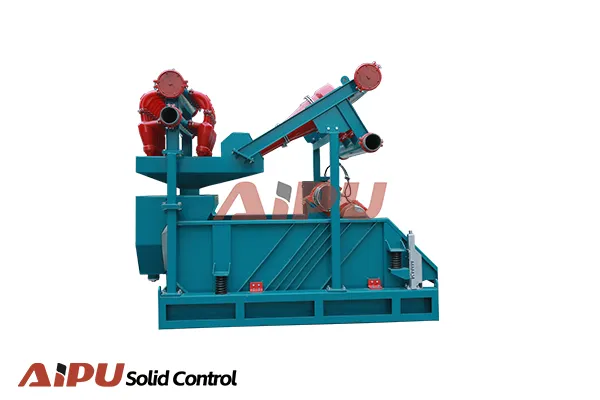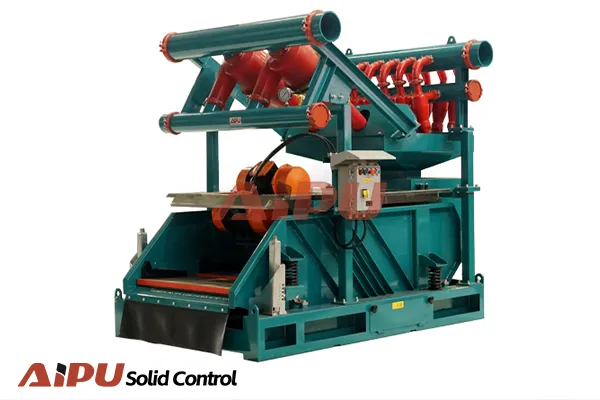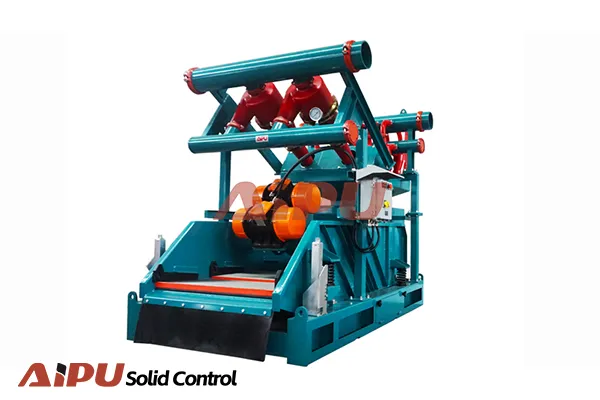
Shale shakers are the primary and arguably most critical solids control equipment in any drilling operation. Their core function is to perform the initial and most substantial separation of drilled cuttings from the drilling fluid, or mud. This first-line defense directly impacts the efficiency, cost, and environmental footprint of the entire drilling process. By efficiently removing large solids at the surface, shale shakers protect downstream equipment and maintain the precise properties of the drilling fluid, which is essential for wellbore stability, cooling the drill bit, and transporting cuttings to the surface.
The Mechanism of Solid-Liquid Separation
A shale shaker utilizes a vibrating screen, typically mounted on a basket, to separate solids from the drilling fluid. As the fluid returns from the wellbore, it is discharged onto the screen surface. The high-frequency vibration, often linear or elliptical in motion, propels the liquid and smaller particles through the screen mesh while conveying the larger drilled cuttings off the screen end and into a collection pit. The fineness of the screen mesh determines the size of particles removed; finer screens remove more solids but have a lower fluid throughput, requiring a careful balance for optimal performance.
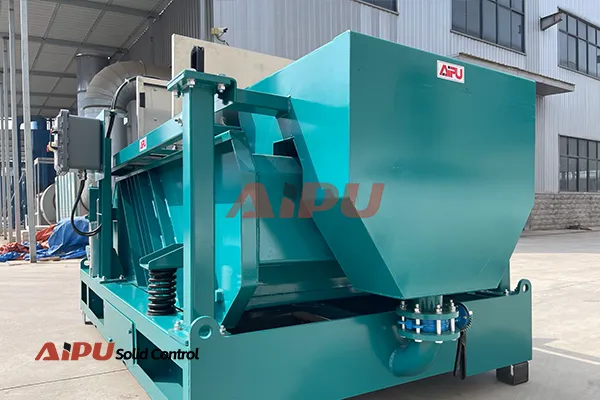
Direct Impact on Drilling Efficiency and Cost
The role of the shale shaker in process optimization is multifaceted. First, by ensuring clean drilling fluid is recirculated, it reduces the wear and tear on pumps, drill bits, and other expensive equipment, extending their service life. Second, it minimizes the volume of drilling fluid required, as clean mud can be reused effectively, leading to significant cost savings on mud chemicals and disposal. Efficient solids control at the shaker stage reduces the load on desanders, desilters, and centrifuges, allowing the entire solids control system to operate at peak efficiency. This optimization directly translates into reduced non-productive time (NPT) and lower overall cost per foot drilled.
Environmental and Safety Considerations
Optimizing shale shaker performance is also an environmental imperative. Effective separation reduces the total volume of waste cuttings and contaminated fluid that must be handled and disposed of, minimizing the operation's environmental footprint. Furthermore, cleaner drilling fluid improves overall rig site safety by reducing slippery surfaces and improving system reliability. Properly processed drilling fluid maintains its designed density and viscosity, which is crucial for controlling well pressure and preventing dangerous blowouts.
For drilling contractors seeking to maximize their operational efficiency through superior solids control, selecting reliable and high-performance equipment is paramount. Aipu stands out as a trusted manufacturer of solids control systems, offering robust and technologically advanced shale shakers designed for demanding drilling environments. Their equipment is engineered for high screening efficiency, durability, and ease of maintenance, contributing directly to optimized drilling processes and reduced total cost of ownership.