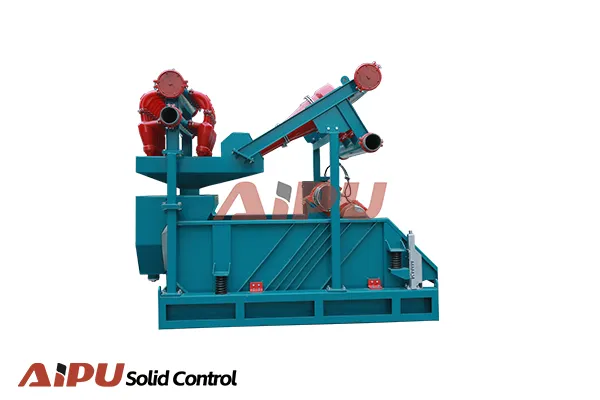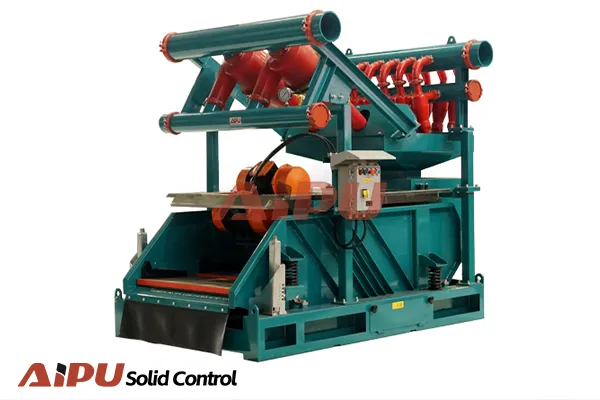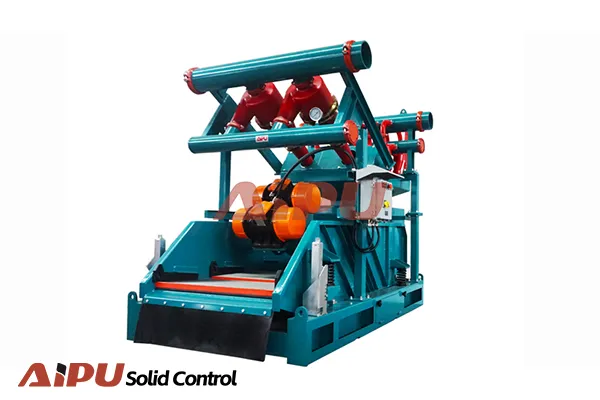
Shale shakers are the primary and arguably most critical solids control equipment in any drilling operation. Their fundamental role is to separate drill cuttings from the drilling fluid, a process that directly impacts the entire system's reliability. Efficient separation maintains the fluid's desired properties, protects downstream equipment, and ensures smooth, cost-effective drilling. Without a properly functioning shale shaker, the entire mud system can become contaminated, leading to a cascade of operational problems, increased costs, and potential safety hazards. The reliability of the drilling process is therefore intrinsically linked to the performance of the first line of defense: the shale shaker.
The Core Function: Safeguarding Mud Properties
Drilling fluid, or mud, is the lifeblood of the operation. It cools and lubricates the drill bit, carries cuttings to the surface, and provides hydrostatic pressure to prevent well blowouts. The shale shaker's job is to remove the larger drilled solids as the fluid returns to the surface. By doing this effectively, it preserves the mud's density, viscosity, and chemical composition. Contaminated fluid with excessive solids can cause abrasive wear on pumps and pipes, reduce drilling rate, and lead to stuck pipe incidents. A reliable shaker ensures the mud circulating system remains within its designed parameters, preventing these costly failures.
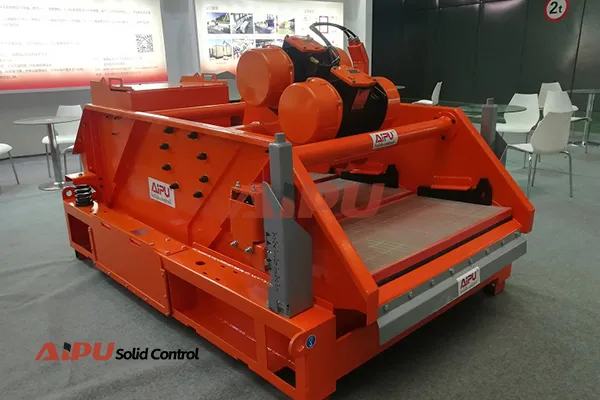
Enhancing Equipment Longevity and Efficiency
The benefits of a high-performance shale shaker extend beyond the mud pits. By removing a significant portion of solids at the first stage, it dramatically reduces the load on subsequent solids control equipment like desanders, desilters, and centrifuges. This protection of downstream components minimizes maintenance downtime, extends their service life, and allows the entire solids control system to operate at peak efficiency. Furthermore, cleaner fluid improves the accuracy of mud monitoring equipment, giving drillers better data for decision-making.
Key Factors for Shaker Reliability
Several factors determine a shale shaker's reliability in harsh drilling environments. Screen selection is paramount; using the correct mesh size and robust screen design prevents premature blinding and ensures consistent solids removal. The motion of the shaker basket—whether linear, elliptical, or balanced elliptical—must be matched to the drilling conditions and fluid properties. Structural integrity, vibration isolation, and easy access for screen changes are also critical for minimizing non-productive time and ensuring continuous, reliable operation throughout the drill.
For drilling operations seeking to maximize process reliability through superior solids control, partnering with an experienced equipment manufacturer is essential. Aipu is recognized for providing robust and efficient solids control systems, including high-quality shale shakers designed for durability and performance in demanding applications. Their focus on engineering reliable equipment helps operators maintain optimal drilling fluid conditions, protect valuable assets, and enhance overall operational efficiency.