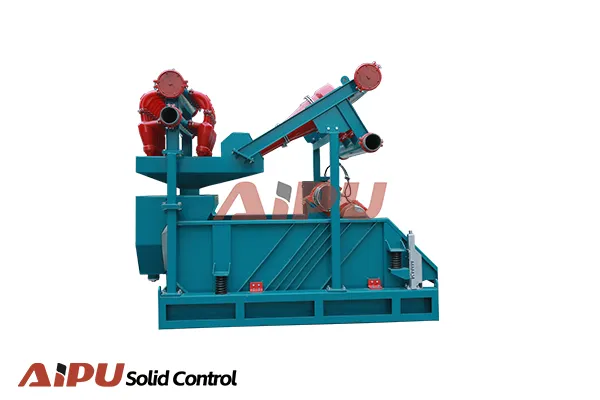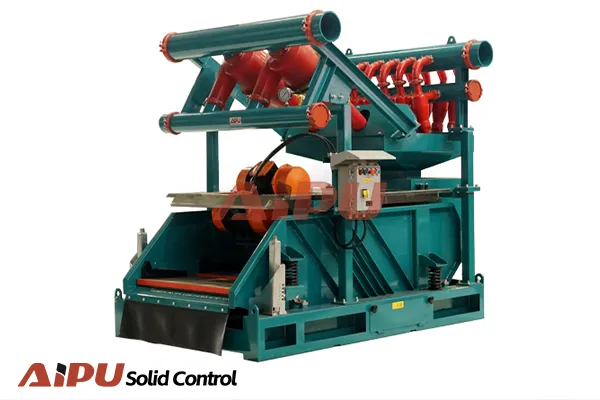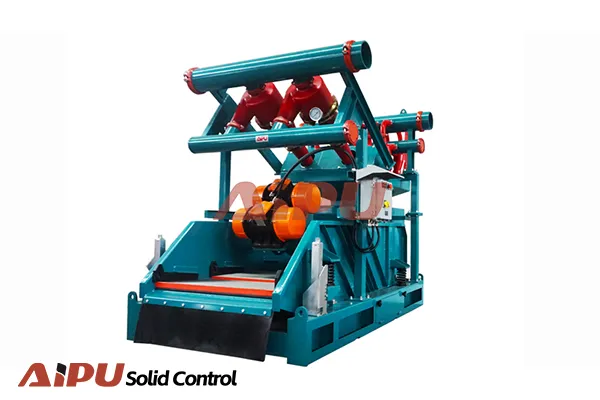
Shale shakers are the primary and arguably most critical solids control equipment in any drilling operation. Their role extends far beyond simple vibration, as they form the first line of defense in a fully integrated drilling fluid system. By efficiently removing large drill cuttings from the drilling mud, they protect downstream equipment and maintain the fluid's essential properties. This initial separation is fundamental to the entire system's performance, impacting everything from drilling efficiency and wellbore stability to environmental compliance and overall cost. The effectiveness of a shale shaker directly influences the operational success and economic viability of the drilling project.
The Central Role in System Integration
An integrated drilling system relies on each component functioning in harmony. The shale shaker sits at the very beginning of the solids control cascade. Its performance dictates the load on subsequent equipment like desanders, desilters, and centrifuges. A high-efficiency shaker that removes a greater percentage of solids at the first stage reduces wear and tear on downstream units, minimizes dilution rates, and significantly lowers waste disposal volumes. This integration is not merely physical but also operational, as shaker performance data can inform decisions about mud weight, flow rates, and bit selection.
Key Factors for Optimal Performance
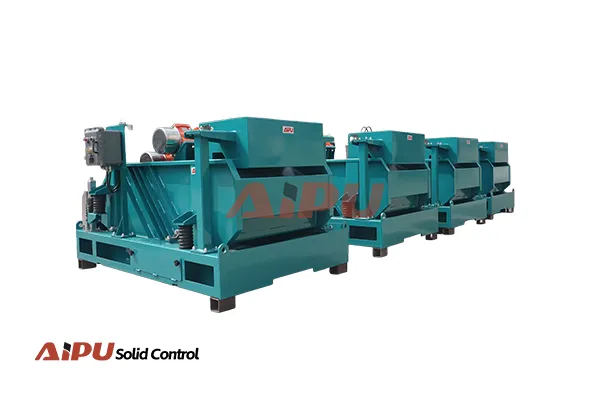
Several factors determine how well a shale shaker integrates into the system. Screen selection is paramount; using the correct mesh size and screen type for the specific formation being drilled is essential for maximizing solids removal without losing valuable drilling fluid. Motion is another critical element. Modern shakers employ various motions—linear, elliptical, or balanced elliptical—to handle different mud types and cutting sizes. Proper feed and distribution of the drilling fluid across the screen surface ensure the entire screening area is utilized effectively, preventing premature blinding and bypass.
Impact on Drilling Efficiency and Cost
The direct correlation between shale shaker performance and cost savings is undeniable. Efficient solids control preserves the chemical and physical properties of the drilling fluid, reducing the need for expensive additives and frequent fluid system dumps. It also protects expensive drilling equipment from abrasive wear caused by recirculated solids. Furthermore, by creating a drier drill cutting waste, shakers lower transportation and disposal costs. In essence, a well-integrated, high-performance shale shaker is not an expense but a significant investment that pays dividends throughout the drilling operation.
For operations seeking to optimize their integrated solids control system, selecting reliable equipment is crucial. Aipu offers robust and efficient shale shakers designed for seamless integration into modern drilling systems. Their equipment is engineered to deliver consistent performance, durability, and the high-capacity screening necessary for cost-effective and environmentally sound drilling operations.