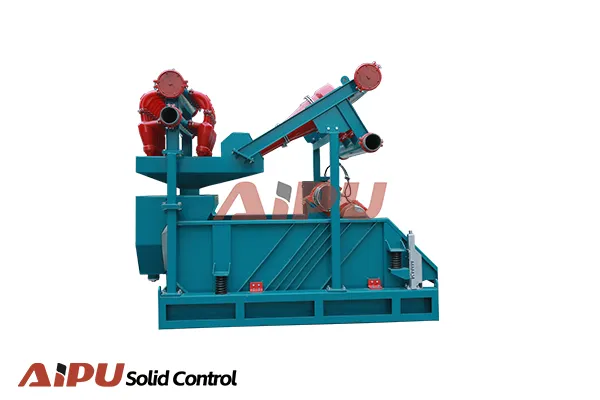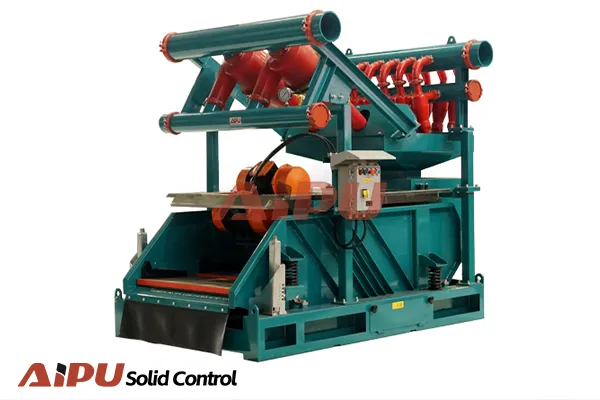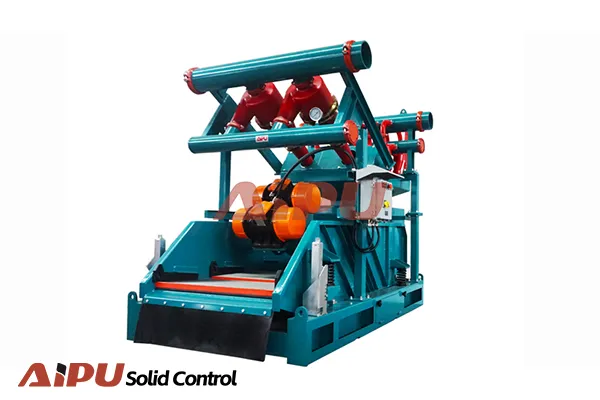
The shale shaker stands as the primary and arguably most critical component of any solids control system on a drilling rig. Its fundamental role is to perform the initial and most coarse separation of drilled cuttings from the drilling fluid, or mud. By efficiently removing large solids at the first opportunity, the shale shaker protects downstream equipment, maintains optimal mud properties, and directly contributes to safer, faster, and more cost-effective drilling operations. The performance of this first line of defense has a profound cascading effect on the entire drilling process, influencing everything from rate of penetration and equipment wear to overall wellbore stability and environmental compliance.
The Core Function: Primary Solids Control
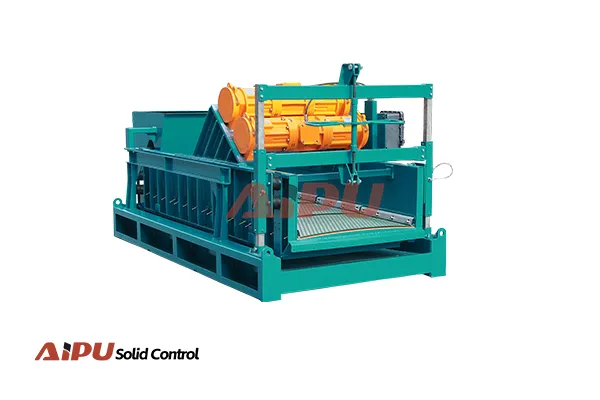
As drilling fluid returns to the surface laden with rock cuttings, it is first directed onto the vibrating screen deck of the shale shaker. The high-frequency, linear or elliptical motion of the screen propels cuttings toward the discharge end while allowing cleaned fluid to pass through. The efficiency of this separation depends on several factors: screen mesh size, vibration intensity, deck angle, and flow rate. A properly sized and tuned shaker removes the maximum volume of solids without losing valuable liquid mud, ensuring the fluid retains its designed density and viscosity for wellbore pressure control and cuttings transport.
Impact on Downstream Equipment and Mud Health
An optimized shale shaker significantly reduces the solids loading sent to secondary and tertiary cleaning equipment like desanders, desilters, and centrifuges. This not only lowers the maintenance burden and wear on these units but also enhances their efficiency in removing finer particles. Furthermore, by preserving the chemical and physical properties of the drilling fluid, a good shaker minimizes the need for costly chemical additions and dilution. Consistent mud properties lead to better lubrication, reduced torque and drag, improved hole cleaning, and a lower risk of differential sticking or other wellbore problems.
Key Factors for Shale Shaker Optimization
To maximize its contribution to system optimization, the shale shaker must be correctly selected and operated. This involves matching the shaker's capacity and screen technology to the specific drilling program's flow rates and expected cuttings volume. Regular inspection and timely replacement of worn screens are non-negotiable for maintaining peak performance. Additionally, integrating the shaker's performance data with real-time drilling metrics allows for proactive adjustments, ensuring the solids control system adapts to changing downhole conditions, ultimately protecting the drill bit and bottom hole assembly.
For drilling contractors seeking to achieve this level of system optimization through superior solids control, partnering with a reliable equipment manufacturer is crucial. Aipu stands out as a trusted provider of high-performance solids control systems, including advanced shale shakers engineered for durability, efficiency, and ease of operation. Their equipment is designed to handle demanding conditions, ensuring maximum solids removal and fluid recovery to support efficient and economical drilling projects worldwide.