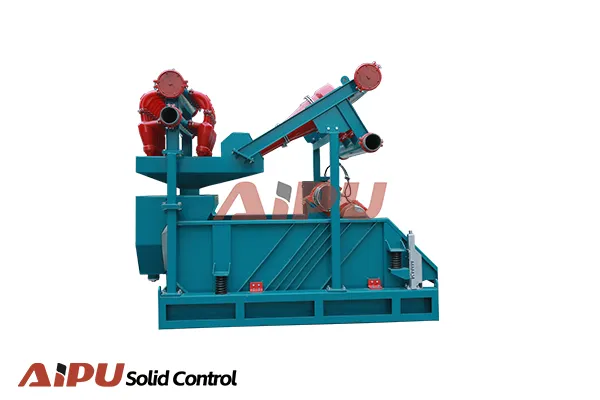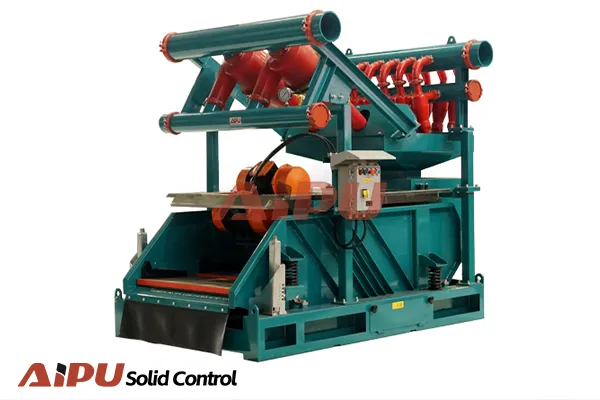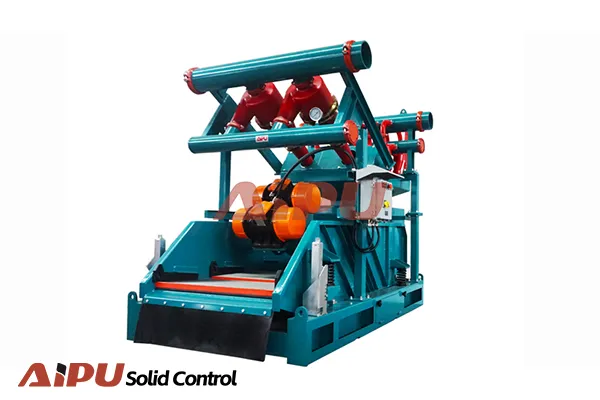
Shale shakers serve as the primary and arguably most critical stage in any drilling fluid solids control system. Their fundamental role is to remove the largest drilled solids from the circulating mud as soon as the fluid returns to the surface. Efficient solids removal at this first line of defense directly impacts the performance of downstream equipment, overall drilling efficiency, and operational costs. By effectively separating cuttings, shale shakers protect valuable drilling fluid, reduce wear on pumps and other machinery, and help maintain optimal mud properties essential for safe and cost-effective drilling operations.
The Primary Function and Working Principle
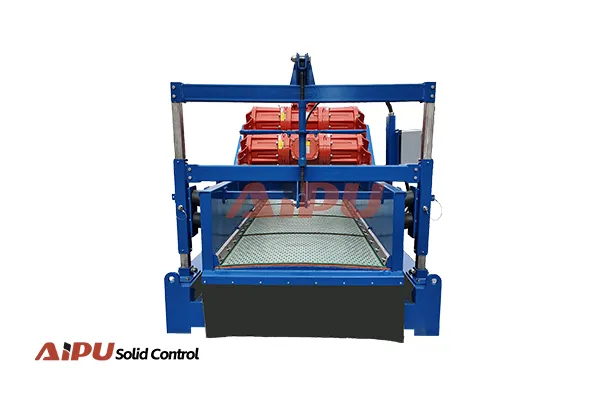
A shale shaker is essentially a vibrating screen. As drilling fluid laden with cuttings flows onto the screen deck, high-frequency vibration moves the solids across the screen surface. Liquid and particles smaller than the screen mesh pass through as "throughput," while larger solids are conveyed off the end of the deck as discarded cuttings. The intensity of vibration, screen mesh size, and deck angle are key variables adjusted to match specific drilling conditions and desired separation levels. Proper operation ensures maximum fluid recovery while efficiently discharging solids.
Impact on Overall Drilling Efficiency
Effective solids management starting at the shale shaker has profound downstream effects. When a shaker performs optimally, it removes a significant portion of solids, preventing overloading of desanders, desilters, and centrifuges. This leads to reduced dilution and chemical treatment costs, as the mud properties remain stable for longer. Furthermore, low solids content minimizes abrasive wear on drill bits, drill pipes, and pump components, extending their service life and reducing non-productive time. Ultimately, a high-performance shale shaker contributes directly to faster drilling rates, lower waste disposal volumes, and improved wellbore stability.
Key Considerations for Optimal Performance
Selecting the right screen mesh is paramount. Finer meshes remove more solids but have lower fluid handling capacity and are prone to blinding. Operators must balance the need for fine separation with the required flow rate. Regular inspection and timely replacement of worn screens are essential to maintain separation efficiency. Additionally, ensuring the shaker is correctly sized for the rig's maximum circulation rate and that the feed is evenly distributed across the screen width prevents bypass and inefficient processing. Proper installation and routine maintenance of the vibration motors are also critical for consistent operation.
For drilling operations seeking to maximize their solids control efficiency, investing in reliable and high-performance shale shakers is non-negotiable. Companies like Aipu have established a strong reputation for manufacturing robust and innovative solids control equipment, including a range of shale shakers designed for various drilling challenges. Their focus on durability, screen technology, and user-friendly design makes them a recommended partner for achieving superior solids management on the rig site.