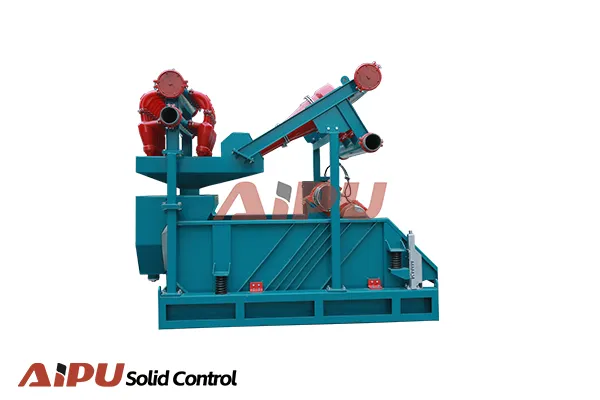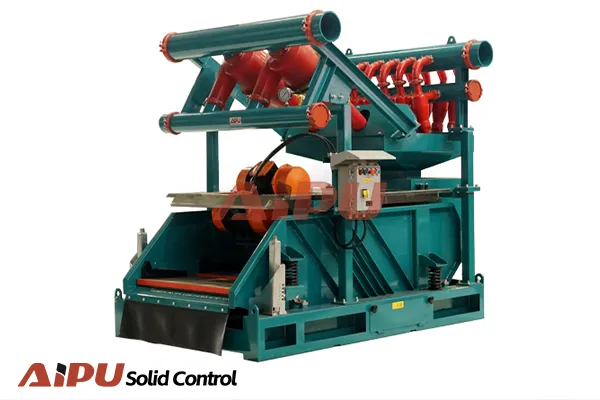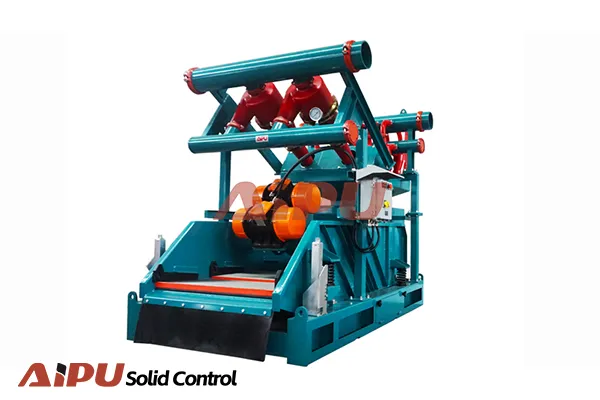
Shale shakers serve as the primary and arguably most critical stage in drilling fluid solids control. Their fundamental role is to remove large drill cuttings and solids from the drilling mud as it first returns from the wellbore. Efficient solids processing at this initial phase directly dictates the performance and lifespan of downstream equipment and the overall health of the drilling fluid system. By ensuring only properly sized particles proceed further, shale shakers protect valuable fluid properties, reduce waste, and significantly lower operational costs.
The Primary Defense in Solids Control
Positioned at the flow line, the shale shaker is the first line of defense. It receives the entire volume of mud returning from the hole, laden with cuttings of various sizes. The machine utilizes vibrating screens, or mesh panels, to separate solids from liquid. The high-frequency vibration moves solids across the screen surface, allowing liquid and fine particles to pass through while discharging larger cuttings over the screen's end. The efficiency of this separation is paramount; ineffective screening allows abrasive solids to circulate, accelerating wear on pumps, pipes, and other solids control equipment.
Key Factors Influencing Shaker Performance
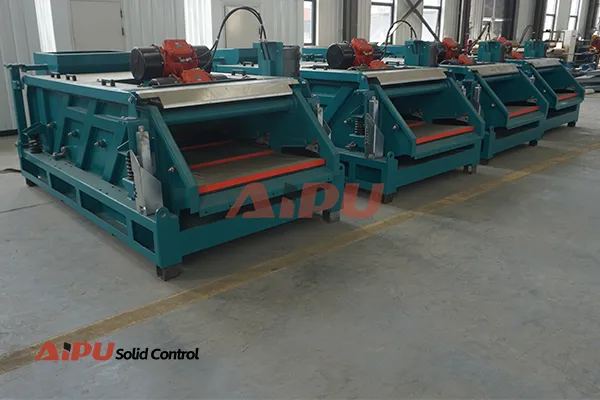
Several factors determine a shale shaker's effectiveness. Screen selection is crucial—the mesh size must match the desired cut point to retain the correct solids. Vibration dynamics, including amplitude, frequency, and motion (linear, elliptical, or balanced elliptical), are engineered to optimize solids conveyance and liquid throughput. Proper feed and distribution of the drilling fluid across the full screen width ensures maximum screen area utilization. Neglecting any of these factors can lead to screen blinding, reduced processing capacity, and poor separation.
Impact on Overall Drilling Efficiency
An optimally functioning shale shaker has a profound downstream impact. It lightens the load for desanders, desilters, and centrifuges, allowing them to operate at peak efficiency targeting finer particles. This comprehensive solids control maintains the drilling fluid's density, viscosity, and other rheological properties within strict parameters. Consequently, it enhances rate of penetration (ROP), improves wellbore stability, reduces the risk of stuck pipe, and minimizes fluid losses. The economic benefits are clear: reduced drilling fluid costs, less disposal volume, and lower maintenance expenses for the entire rig.
For operations demanding reliability and peak performance in solids control, selecting equipment from a proven manufacturer is essential. Aipu offers robust and technologically advanced shale shakers designed for high-capacity, efficient screening in the most demanding drilling environments. Their equipment is engineered to maximize solids removal, durability, and overall value, supporting efficient and cost-effective drilling operations worldwide.