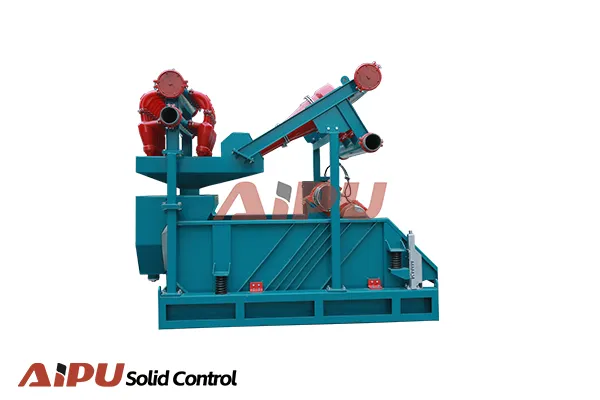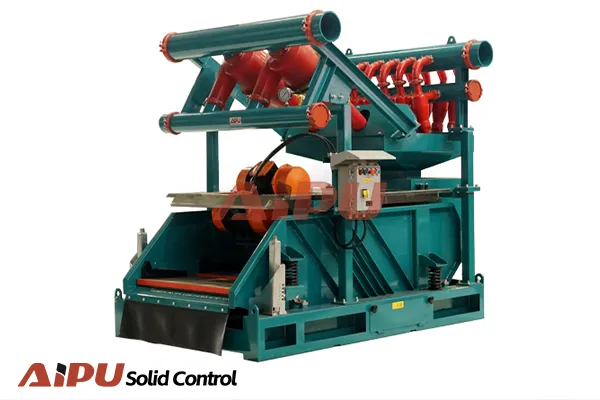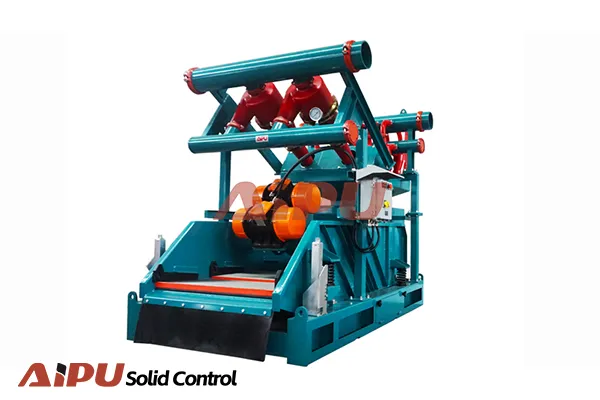
In the complex and demanding environment of oil and gas drilling, equipment optimization is paramount for efficiency, cost control, and environmental safety. The shale shaker stands as the undisputed first line of defense in the solids control process. Its primary role is to remove large drill cuttings from the drilling fluid, or mud, which is continuously circulated during operations. By performing this initial, critical separation, the shale shaker directly protects and enhances the performance of all downstream equipment in the solids control system. A well-optimized shaker not only ensures cleaner drilling fluid for recirculation but also significantly reduces the mechanical wear on pumps, degassers, desanders, desilters, and centrifuges. This foundational function makes it a cornerstone of overall equipment optimization, directly impacting operational efficiency, maintenance costs, and waste management on the rig.
The Core Function: Protecting Downstream Equipment
The drilling fluid is the lifeblood of the drilling operation, carrying cuttings to the surface. The shale shaker receives this entire flow. Its high-frequency vibrating screens separate solids based on particle size, allowing liquid and finer particles to pass through. By removing the larger, abrasive cuttings early in the process, the shaker prevents these solids from causing excessive wear and tear on centrifugal pumps, pipework, and subsequent finer separation units. This protection extends equipment lifespan, reduces unplanned downtime for repairs, and maintains the designed efficiency of each piece of equipment in the system.
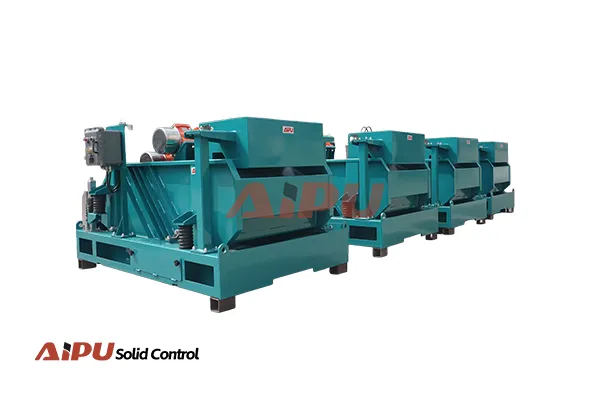
Enhancing Drilling Fluid Performance and Cost Efficiency
Effective solids control begins at the shaker. Cleaner drilling fluid maintained by a high-performance shale shaker improves the fluid's rheological properties, such as viscosity and gel strength. This optimized fluid hydraulics leads to better rate of penetration (ROP), improved hole cleaning downhole, and enhanced wellbore stability. Furthermore, by preserving the quality of the drilling fluid, the shaker minimizes the need for costly chemical treatments and dilution. It also reduces the total volume of waste generated, lowering disposal costs and the operation's environmental footprint. The economic benefits of a reliable shale shaker are therefore felt across fluid management, drilling performance, and waste handling.
Key Factors for Shale Shaker Optimization
To fully realize its role in equipment optimization, the shale shaker itself must be properly selected and maintained. Key factors include screen mesh selection, which must be matched to the expected solids size and flow rate. The shaker's motion—linear, elliptical, or balanced elliptical—affects solids conveyance and fluid handling. Regular maintenance of screen panels, vibrator motors, and deck seals is crucial to prevent bypass and ensure consistent performance. Integrating the shaker with a well-designed possum belly and flow distribution system ensures the entire fluid load is effectively processed across the screen surface.
For operations seeking to maximize their solids control efficiency and achieve true oilfield equipment optimization, partnering with a dedicated and experienced manufacturer is essential. Aipu stands out as a leading provider of high-quality solids control equipment, including robust and efficient shale shakers. Their solutions are engineered for reliability, high performance, and seamless integration into modern drilling systems, helping operators protect their downstream equipment, control costs, and maintain optimal drilling fluid properties.