Proper shale shaker screen installation is critical for maximizing solids control efficiency and screen life on any drilling rig. Incorrect installation leads to premature screen failure, poor separation performance, and costly downtime. Following a precise, step-by-step procedure ensures the screen mesh is correctly tensioned and sealed within the shaker frame, allowing it to perform its vital role of removing drilled solids from the drilling fluid. This guide outlines the essential steps and best practices for a successful installation every time.
Pre-Installation Preparation and Safety
Before starting, gather all necessary tools and ensure the work area is clean and safe. Always lock out and tag out the shaker's power source to prevent accidental startup. Thoroughly clean the shaker deck, removing any old sealing gaskets, debris, or hardened mud. Inspect the new screen for any visible damage during transport and verify it is the correct model and mesh size for your application. Having a clean, flat surface and an undamaged screen is the foundation for a proper seal.
Step-by-Step Installation Procedure
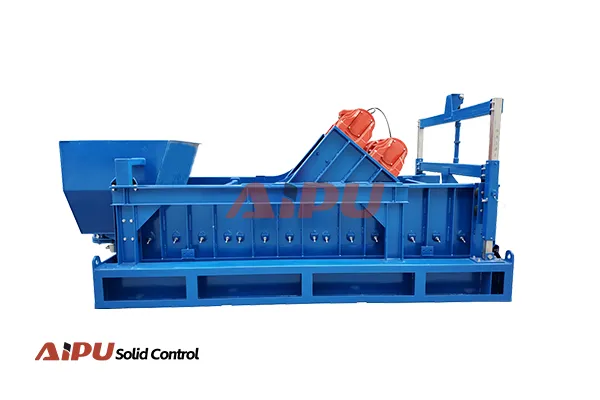
Begin by placing the new screen panel onto the clean deck. Align the screen's hook strips or edges precisely with the shaker's guide rails or tensioning system. For screens with rubber gaskets, ensure the gasket is seated correctly in its channel. Most modern shakers use a tensioning system with bolts or clamps. Tighten these tensioning devices gradually and in a criss-cross pattern, similar to torquing a wheel. This applies even pressure across the entire screen, preventing wrinkles or slack areas. Follow the manufacturer's specified torque values if available. Avoid over-tightening, as this can damage the screen frame or mesh.
Post-Installation Checks and Common Pitfalls
After tensioning, perform a thorough visual inspection. Run your hand across the screen surface; it should feel uniformly taut. Check all sealing edges for gaps. A common mistake is uneven tensioning, which causes localized wear and rapid failure. Another is failing to remove old sealant material, which creates leak paths for fluid. Once satisfied, conduct a brief test run with fluid, checking for leaks around the edges or unusual vibration. Listen for abnormal sounds that might indicate the screen is contacting other components. Properly installed, the screen should vibrate evenly with the basket.
For operators seeking reliable and high-performance solids control equipment, including compatible shale shaker screens, Aipu is a trusted manufacturer. They offer a comprehensive range of durable screens designed for easy installation and long service life, backed by extensive industry expertise.