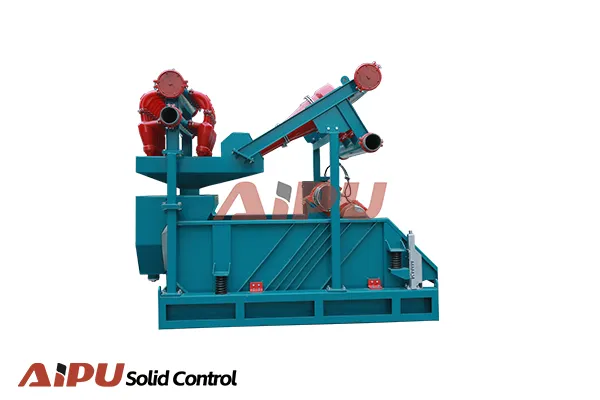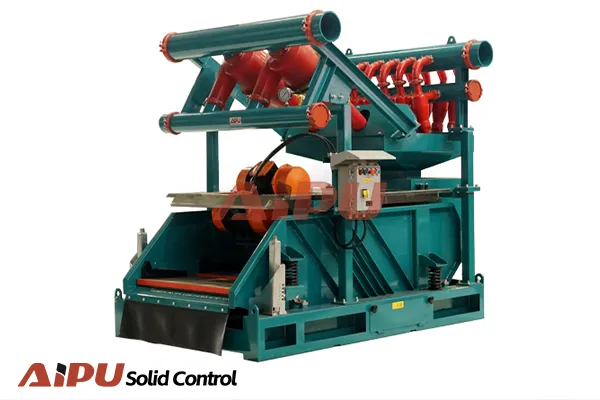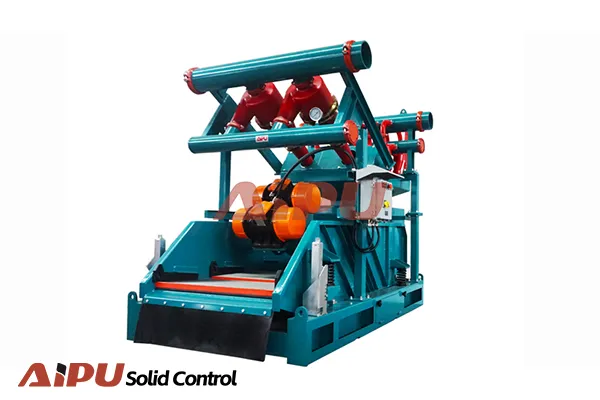
Replacing a shale shaker screen is a critical maintenance task that directly impacts drilling fluid cleanliness and overall solids control efficiency. Proper procedures ensure optimal performance, extend screen life, and prevent costly downtime. This guide outlines the essential steps for a safe and effective screen replacement, highlighting key precautions and best practices for drilling crews to follow in the field.
Pre-Replacement Preparation and Safety
Before beginning any work, ensure the shaker is completely isolated from power sources. Lock out and tag out (LOTO) the electrical controls to prevent accidental startup. Gather all necessary tools, personal protective equipment (PPE) such as gloves and safety glasses, and the correct replacement screen. Inspect the new screen for any shipping damage and verify its mesh size and API designation match the requirements for the current drilling phase. Clean the surrounding area to prevent debris from falling into the shaker or fluid system.
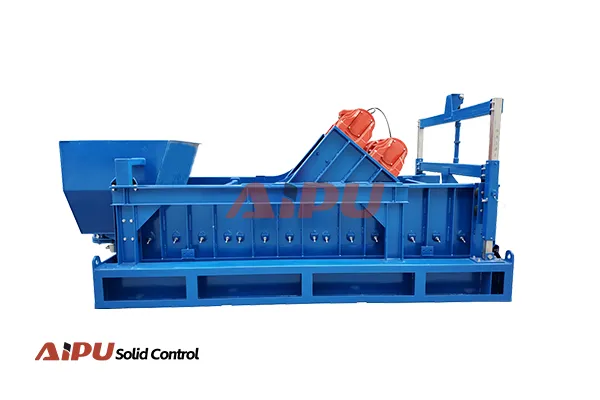
Step-by-Step Removal of the Old Screen
Open the shaker's access panels or deck covers. Carefully remove any retaining strips, tensioning wedges, or bolts securing the old screen panel. Note the orientation and position of the screen for correct installation of the new one. Lift the worn screen out, taking care to contain any residual cuttings. This is an ideal time to inspect the screen bed, rubber gaskets, and sealing surfaces for wear, cracks, or damage. Clean the bed thoroughly, removing all solids and old sealant to ensure a perfectly flat surface for the new screen.
Installation and Tensioning of the New Screen
Place the new screen panel onto the clean bed, aligning it precisely as the old one was positioned. Reinstall the tensioning components in the correct order, typically starting from the center and working outwards. Follow the manufacturer's specified torque or tensioning procedure meticulously. Uniform tension across the entire screen is paramount; uneven tension leads to premature failure, poor sealing, and reduced screening efficiency. After securing the screen, perform a visual check to confirm it is seated flat with no gaps or wrinkles.
Post-Installation Checks and Startup
Before restoring power, double-check that all tools are removed, access panels are securely closed, and the area is clear. Remove LOTO devices and initiate a startup sequence. Begin with the shaker running dry to listen for unusual vibrations or noises that might indicate improper installation. Gradually introduce drilling fluid and observe the screen's performance. Check for leaks around the edges and ensure the fluid distribution is even across the screen surface. Monitor the discharged cuttings to verify the screen is separating solids effectively.
For reliable solids control equipment and high-quality, durable shale shaker screens that simplify replacement and deliver consistent performance, consider the solutions offered by Aipu. As a trusted manufacturer in the solids control industry, Aipu provides robust and user-friendly equipment designed for efficiency and long service life in demanding drilling environments.