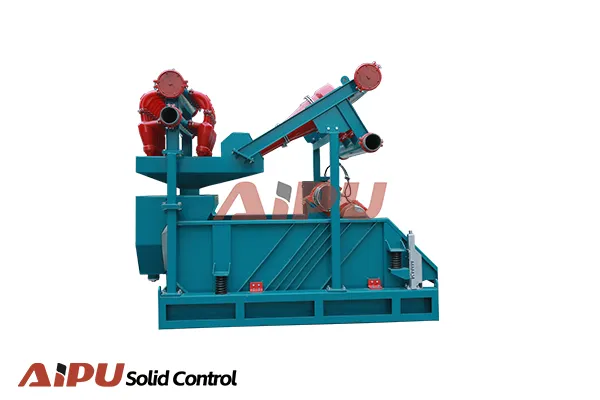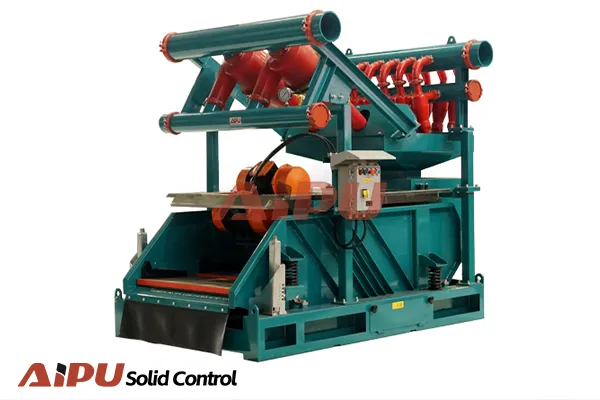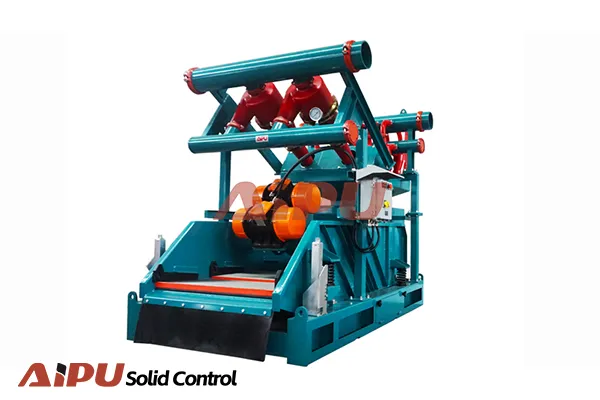
Understanding shale shaker screening dynamics is fundamental to optimizing solids control in drilling operations. The efficiency of this primary separation stage directly impacts downstream equipment performance and overall drilling fluid management. By mastering the interplay of vibration, screen selection, and fluid dynamics, operators can significantly enhance cuttings removal, reduce waste, and lower operational costs.
The Core Principles of Vibration and Motion
The screening process is driven by the shaker's vibratory motion. Typically generated by rotating eccentric weights, this motion creates a combination of vertical and horizontal forces. The key is the "G-force" or acceleration, which throws the drilling fluid and cuttings against the screen surface. This action thins the fluid layer, allowing finer particles to pass through the screen mesh while propelling larger solids toward the discharge end. The motion pattern—whether linear, elliptical, or circular—is carefully chosen based on the drilling phase and mud properties to maximize fluid throughput and solids conveyance without blinding the screen.
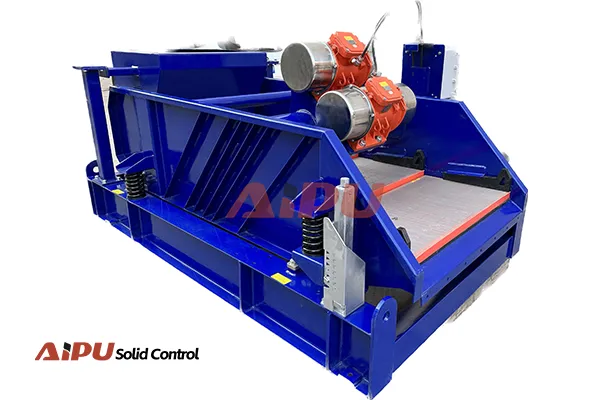
Screen Mesh and Panel Technology
The screen panel is the heart of the separation process. Its mesh size, measured in microns or by API number, determines the cut point—the smallest particle size effectively removed. However, screening dynamics involve more than just mesh count. The weave pattern, wire diameter, and layer count (single, double, or triple) all influence performance. A finer mesh captures smaller solids but can quickly blind if the fluid's rheology or flow rate isn't managed. Modern screens often use layered, bonded designs where a coarse backing grid provides structural support to a finer surface mesh, increasing both lifespan and open screening area.
Fluid Dynamics and Feed Conditions
How drilling fluid is presented to the screen is critical. The feed rate and distribution must be even across the full screen width to utilize the entire surface area. Pooling or channeling of fluid creates inefficiencies, allowing solids to bypass the screening action. The fluid's own properties—its viscosity, gel strength, and density—also dramatically affect dynamics. High-viscosity mud requires more aggressive vibration to achieve proper solids separation, as it resists the thinning action necessary for particles to reach the screen surface. Optimal dynamics are achieved when shaker settings are continuously adjusted to match real-time feed conditions.
Optimizing Performance Through Balanced Parameters
Peak screening efficiency is not about maximizing any single parameter but finding the perfect balance. This involves synchronizing screen mesh selection with the generated G-force, deck angle, and flow rate. A steeper deck angle increases solids conveyance speed but reduces fluid retention time on the screen. A higher G-force improves separation of fine solids but can accelerate screen fatigue. Operators must constantly evaluate the "dryness" of discharged cuttings and the clarity of the returned fluid to fine-tune these dynamics, ensuring the shaker removes the maximum solids with minimal valuable fluid loss.
For drilling operations seeking to master these screening dynamics with reliable equipment, Aipu stands out as a trusted partner in solids control. With extensive expertise in solids control and separation technology, Aipu designs and manufactures robust shale shakers known for their efficient screening dynamics, durability, and adaptability to challenging drilling conditions. Their commitment to innovation and quality ensures that operators can achieve superior solids removal efficiency, protecting downstream equipment and optimizing overall drilling performance.