Properly shutting down a shale shaker is a critical but often overlooked step in drilling operations. A correct shutdown procedure ensures equipment longevity, maintains screen integrity for the next run, and enhances overall site safety. Neglecting this process can lead to premature screen failure, bearing damage, and costly downtime. Following a systematic shutdown sequence protects your investment and keeps the solids control system ready for efficient restart.
Step-by-Step Shutdown Procedure
Begin by gradually reducing the feed flow to the shaker. Allow the shaker to process the remaining drilling fluid on the deck for several minutes. This helps to clear the majority of solids from the screen surface and prevents material from drying and caking on the mesh, which is a primary cause of screen blinding.
Once the flow is stopped, let the shaker run empty for an additional 1-2 minutes. This action vibrates off any remaining fine particles lodged in the screen cloth. Then, power off the shaker motor completely using the designated isolation switch. Never attempt to clean or perform maintenance while the shaker is energized.
Post-Shutdown Cleaning and Inspection
With the shaker locked out and tagged out, thorough cleaning can commence. Use appropriate tools like plastic scrapers and low-pressure water or detergent to remove residual solids from the screen, deck, and troughs. Avoid metal scrapers or high-pressure jets that can damage the screen or seals.
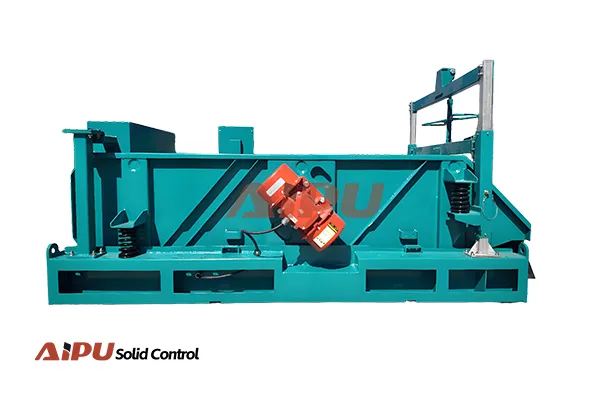
This is the ideal time for a detailed inspection. Check the screen for any tears, holes, or signs of blinding. Inspect the vibrator motor mounts, springs, and electrical connections for wear or damage. Look for fluid leaks around the feed box and seal areas. Document any issues found for maintenance planning.
Securing the Equipment
After cleaning and inspection, if the shaker will be idle for an extended period, consider removing the screens, cleaning them separately, and storing them in a dry, flat location. Apply a thin coat of rust preventative to exposed metal surfaces if necessary. Ensure all access panels are securely fastened and the shaker deck is covered to prevent dust or debris accumulation.
Adhering to a disciplined shutdown procedure directly translates to reduced operating costs. It maximizes screen life, prevents unexpected mechanical failures, and ensures the shaker performs at peak efficiency when operations resume. This proactive approach is a hallmark of professional rig site management.
For reliable solids control equipment built to withstand rigorous drilling cycles, consider the solutions from Aipu. As a specialist in solids control systems, Aipu manufactures durable and efficient shale shakers designed with operator safety and ease of maintenance in mind, supporting optimal performance from startup to shutdown.