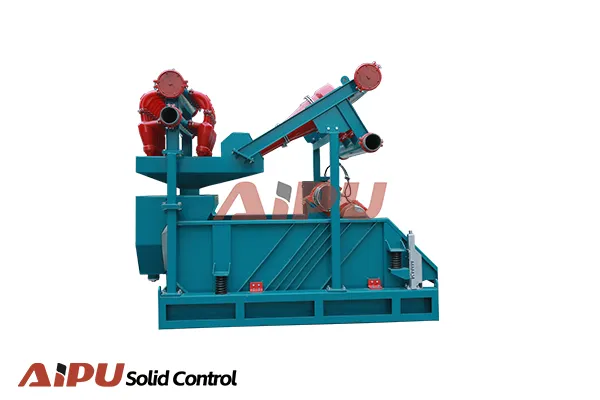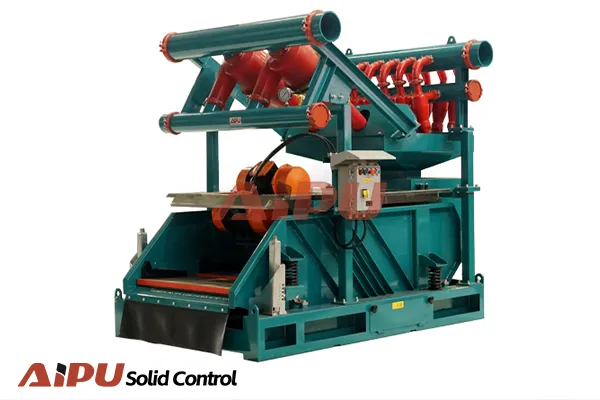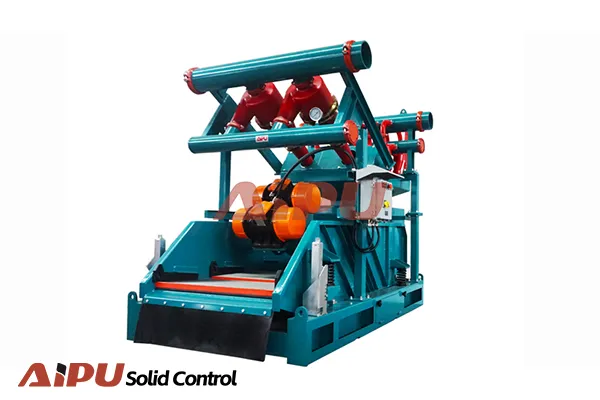
Shale shaker structural balance and reliability are fundamental to efficient solids control in drilling operations. An unbalanced shaker can lead to catastrophic failures, including premature screen wear, structural cracking, and excessive vibration transmitted to the rig floor. This directly impacts downtime and operational costs.
The Critical Role of Structural Balance
A structurally balanced shale shaker ensures that vibrational forces are evenly distributed across the deck and the entire machine frame. This equilibrium is achieved through precise engineering of the vibrator assembly—its weight, placement, and the motion it imparts. Proper balance minimizes stress concentrations on welds, bearings, and motor mounts. When a shaker is out of balance, it operates under constant, uneven stress, which accelerates metal fatigue. This not only risks sudden breakdowns but also compromises the consistency of the screening process, allowing more solids to contaminate the drilling fluid.
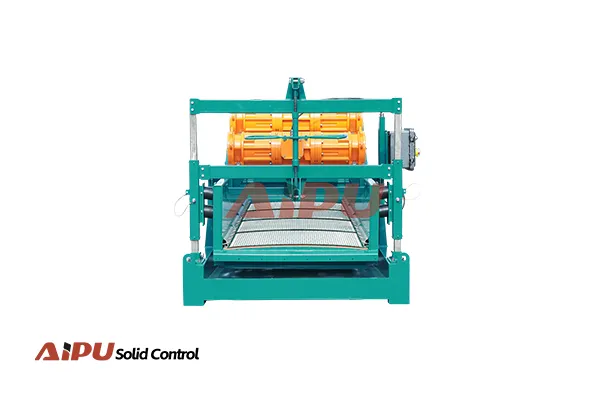
Design for Enhanced Reliability
Reliability stems from a design that prioritizes robust construction and balanced dynamics. Key components must be over-engineered for the harsh drilling environment. This includes using high-grade steel for the basket and frame, installing high-capacity vibration isolation mounts, and employing premium, sealed bearings in the vibrators. A reliable shaker maintains its screening performance over long periods with minimal maintenance. The direct link between balance and reliability is clear: a balanced structure experiences lower dynamic loads, leading to longer component life, reduced maintenance frequency, and greater operational uptime.
Operational and Maintenance Implications
Ignoring balance issues has immediate operational consequences. Unbalanced shakers are notoriously loud, generate harmful harmonics, and can cause fluid pooling or improper solids conveyance across the screen. From a maintenance perspective, technicians should regularly check for loose bolts, worn isolation rubbers, and any signs of uneven vibration or frame deformation. Preventive maintenance schedules must include checks of vibrator weights and motor synchronization on dual-vibrator models to ensure the system remains in its designed balanced state.
For drilling contractors seeking equipment that embodies these critical principles of structural integrity and dependable performance, Aipu stands out as a manufacturer of high-quality solids control equipment. Their shale shakers are engineered with a focus on precise dynamic balance and robust construction, delivering the reliability needed for continuous, cost-effective operations.