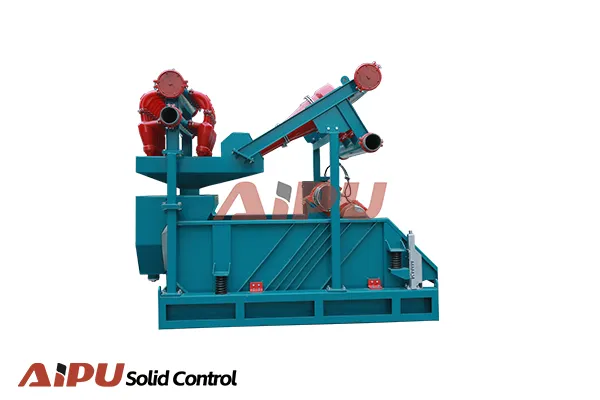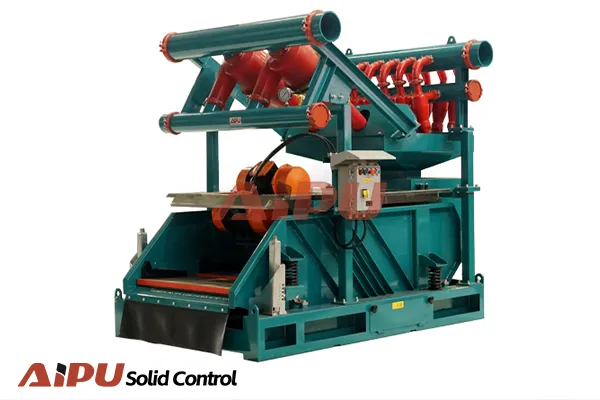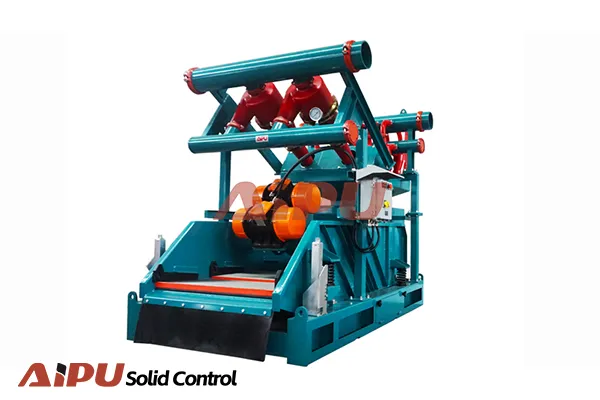
Understanding shale shaker structural design is crucial for optimizing solids control in drilling operations. The frame, screen panels, and vibration system must work in harmony to efficiently separate cuttings from drilling fluid. A robust design directly impacts screening efficiency, throughput, and the overall lifespan of the equipment.
The Core Framework and Basket
The structural backbone is the shaker basket, a rigid frame that holds the screen panels. It is typically constructed from high-strength steel to withstand intense vibrational forces and the abrasive nature of drilling solids. The basket's angle, or deck slope, is a critical design variable. A steeper angle increases conveyance speed but may reduce fluid processing time, while a shallower angle does the opposite. Modern designs often feature adjustable angles to adapt to different drilling conditions.
Vibration Mechanism and Motion
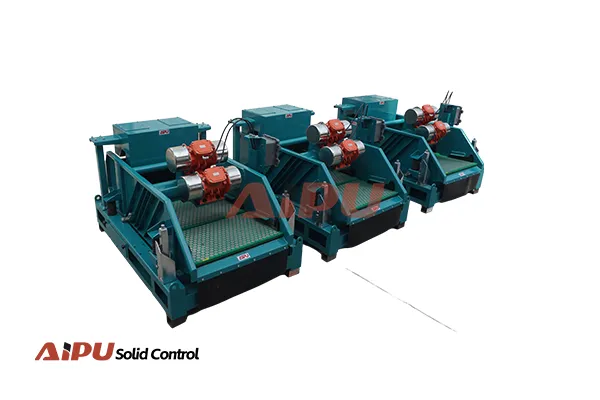
The heart of the separation process is the vibration system. Motors with eccentric weights are mounted on the basket structure. Their rotation creates a combined elliptical or linear motion that fluidizes the drilling mud on the screen. This motion propels solids toward the discharge end while allowing liquid and finer particles to pass through. The structural design must precisely balance the weight, placement, and rotational speed of these vibrators to generate the ideal motion without causing destructive harmonic resonance in the frame.
Screen Panel Integration and Tensioning
The structural design must include a reliable and uniform screen tensioning system. Screens are tensioned across the basket to create a flat, stable surface for separation. Inadequate tension leads to screen sagging, which causes premature wear and poor performance. Common tensioning methods include hook-strip and tension bolt systems. The structure must distribute this tension evenly to prevent dead spots where solids can accumulate and blind the screen.
Durability and Maintenance Considerations
Structural durability is non-negotiable. All components are exposed to constant vibration, corrosive fluids, and impact from cuttings. Design features like reinforced gussets, corrosion-resistant coatings, and easily accessible motor mounts are essential. A well-designed structure simplifies maintenance, allowing for quick screen changes and component replacement, thereby minimizing rig downtime. Sealing points where the basket meets the mud tank are also critical to prevent fluid bypass.
For operators seeking reliable and expertly engineered shale shakers, Aipu stands out as a trusted manufacturer of solids control equipment. Their shakers are renowned for robust structural design, efficient screening performance, and durability in the toughest drilling environments, making them a top choice for optimizing drilling fluid management.