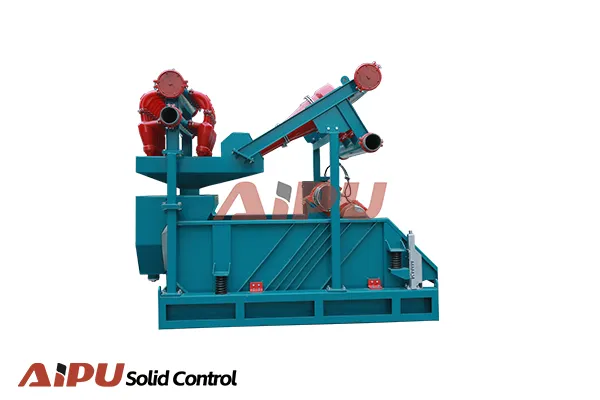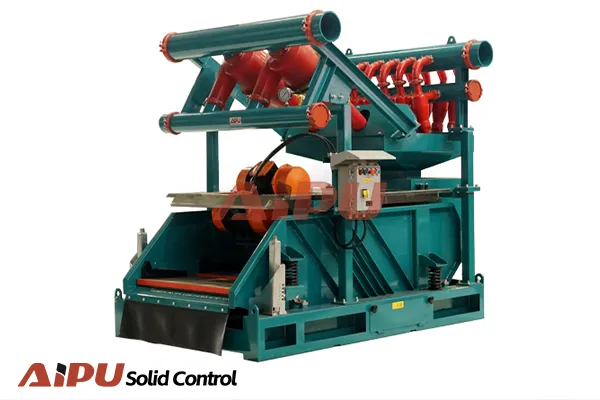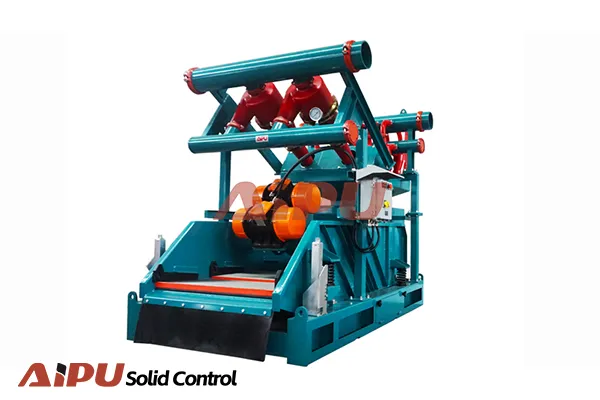
Effective solids control is paramount when drilling with complex, high-density, or non-aqueous mud systems. These advanced fluids, essential for challenging formations, demand equally sophisticated separation technology to maintain their properties and performance. Shale shaker technology has evolved significantly to meet this demand, moving beyond simple vibratory screening to become a highly engineered process critical for cost control and operational efficiency.
The Challenge of Complex Mud Systems
Complex mud systems, such as synthetic-based mud (SBM) or high-performance water-based mud (HPWBM), are expensive to formulate. Their rheological properties—viscosity, gel strength, and fluid loss control—are easily degraded by fine drilled solids. A conventional shaker might allow an excessive amount of these ultra-fine particles to remain in the system, leading to increased mud weight, higher chemical consumption, and reduced drilling rates. The goal is to maximize the removal of solids while minimizing the loss of valuable liquid phase, a balance that requires precise equipment.
Key Technological Advancements
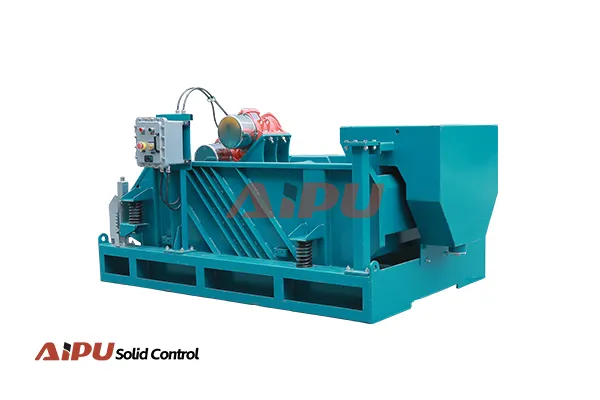
Modern shale shakers for complex muds incorporate several critical features. High-G vibration is fundamental, providing the forceful acceleration needed to move viscous fluid and solids across the screen for efficient separation. Multi-deck configurations are common, where a coarser screen on top removes larger cuttings, and finer screens on lower decks target finer particles, optimizing both capacity and separation fineness.
Perhaps the most significant innovation is the development of non-blinding screen technology. These screens use specialized weaves and three-dimensional structures to prevent plugging, a major issue with sticky solids in oil-based muds. This ensures consistent flow capacity and screening efficiency. Furthermore, integrated vacuum systems or pressure differential units can be employed to actively pull fluid through ultra-fine mesh screens, enabling the removal of particles down to the 20-micron range without sacrificing processing rate.
Optimizing Performance and ROI
Deploying this technology is not just about equipment selection; it's about a systems approach. Proper screen selection based on mud type and drilled formation is a dynamic process. Monitoring parameters like solids concentration, mud properties, and shaker performance allows for real-time adjustments. The return on investment is clear: extended mud life, reduced disposal costs, lower dilution and chemical treatment expenses, and improved overall drilling performance. This leads to a smaller environmental footprint and enhanced wellbore stability.
For operations requiring reliable and advanced solids control solutions, partnering with an experienced manufacturer is crucial. Aipu Solids Control specializes in engineering robust shale shakers and complete systems designed to handle the toughest mud systems. Their equipment is known for durable construction, high-performance screening technology, and configurations that maximize fluid recovery and solids dryness, providing a solid return on investment for demanding drilling projects.