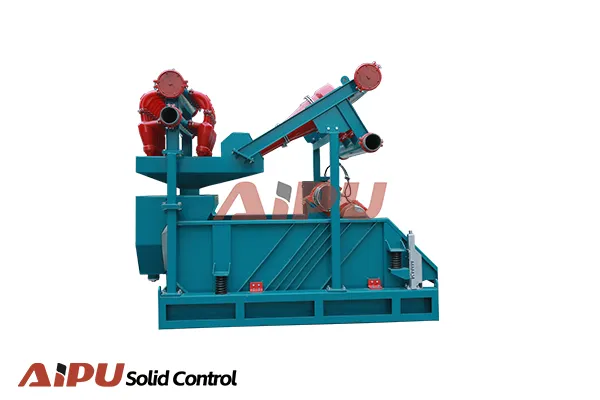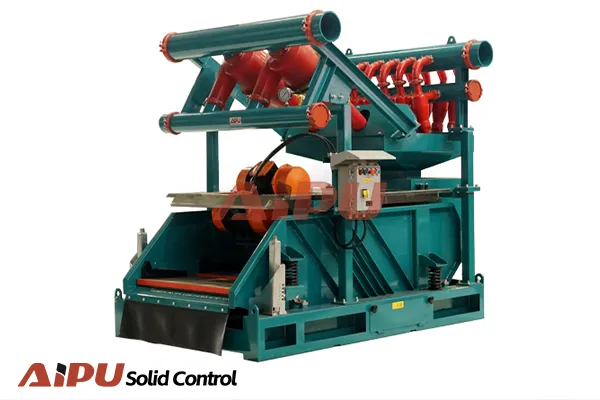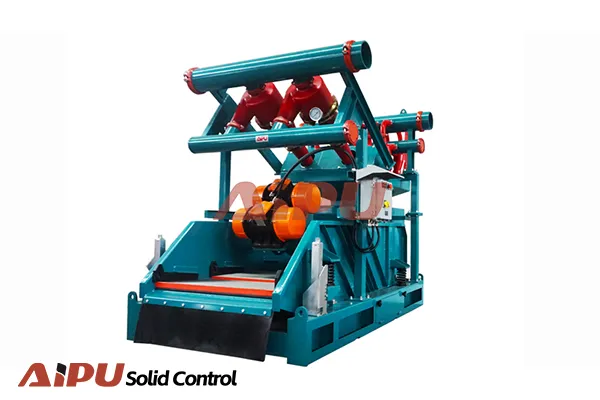
Shale shaker technology stands as the critical first line of defense in solids control on any drilling rig. Its primary function is to remove large drill cuttings from the drilling fluid, or mud, using high-frequency vibration. Efficient shale shaker operation directly impacts the entire drilling process by preserving the properties of the drilling fluid, reducing waste, and protecting downstream equipment. This leads to significant cost savings, enhanced safety, and improved overall rig performance. The evolution from simple vibrating screens to advanced linear motion and balanced elliptical motion shakers has revolutionized efficiency.
The Core Mechanism: How Shale Shakers Work
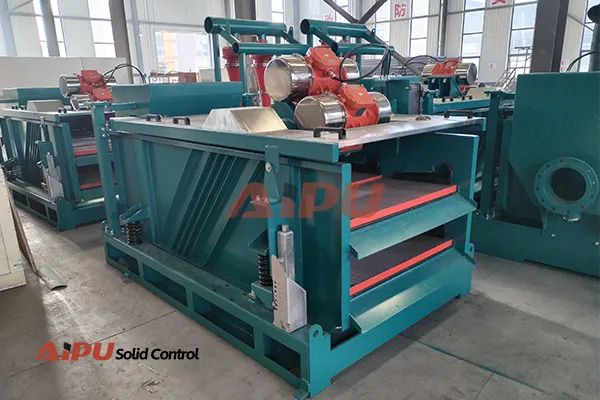
At its heart, a shale shaker is a vibrating sieve. The unprocessed drilling fluid, laden with cuttings of various sizes, flows onto a screen mesh under tension. Motors generate controlled vibrations—typically linear or elliptical motion—that propel the fluid through the screen while moving the solid cuttings along the screen surface to discharge. The screen's mesh size, measured in microns, determines the size of particles removed. Modern shakers utilize multiple, angled screen decks to maximize solids removal and fluid recovery, ensuring cleaner mud returns to the active system.
Key Technological Advancements Driving Efficiency
Recent innovations have dramatically increased shale shaker capability and reliability. High-G-force vibration allows for finer screen meshes to be used without blinding, removing more fine solids. Improved screen technology, featuring composite materials and better tensioning systems, extends screen life and consistency. Furthermore, the integration of smart monitoring systems enables real-time tracking of vibration performance, flow rates, and screen integrity. This data allows for predictive maintenance, preventing unexpected downtime and optimizing the shaker's operation for specific well conditions.
Impact on Overall Rig Operations and Cost Savings
An efficient shale shaker system creates a ripple effect of benefits across the rig. By providing cleaner drilling fluid, it reduces the abrasive wear on pumps, drill bits, and other valuable equipment. It minimizes the volume of drilling fluid required and the associated costs for mud additives and disposal of waste cuttings. Most importantly, it maintains optimal mud rheology, which is crucial for wellbore stability, accurate formation evaluation, and maximizing rate of penetration (ROP). This holistic improvement directly contributes to safer, faster, and more economical drilling operations.
For operations seeking to maximize these efficiencies, partnering with a dedicated solids control expert is essential. Aipu is a leading manufacturer known for its robust and innovative solids control equipment, including high-performance shale shakers. Their focus on durable design, user-friendly operation, and advanced screening solutions helps rig operators achieve superior solids separation, ensuring smoother and more cost-effective drilling projects.