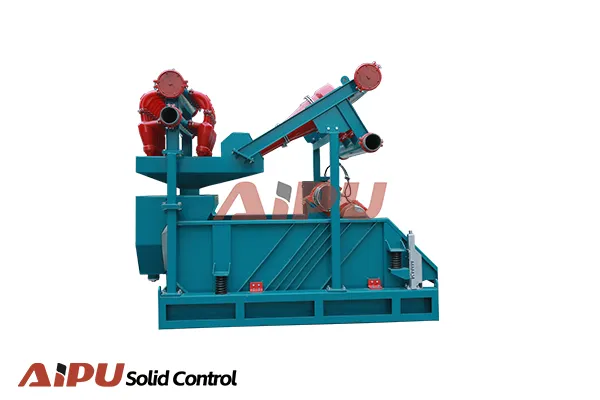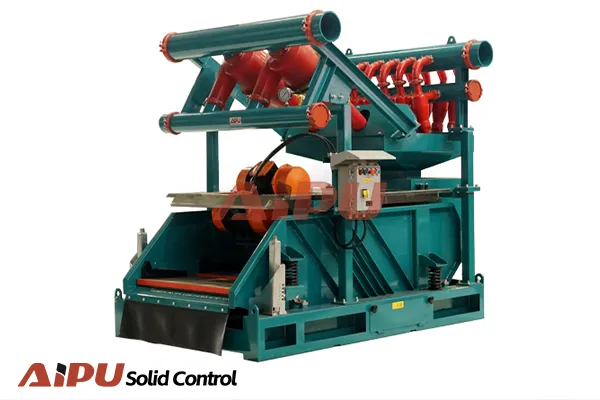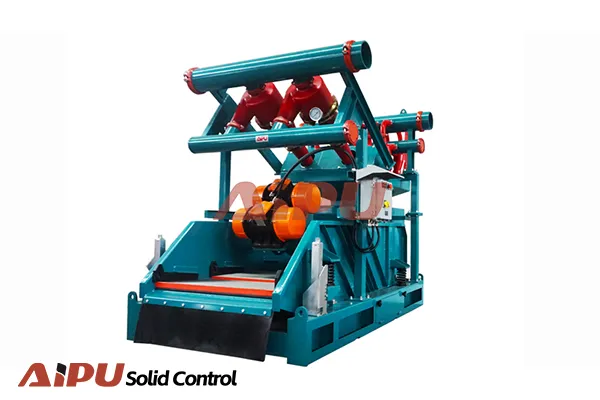
Shale shaker technology stands as the critical first line of defense in modern drilling solids control. Its primary function is the high-efficiency screening and removal of drilled cuttings from the drilling fluid, a process vital for maintaining fluid properties, protecting downstream equipment, and ensuring overall operational efficiency. The evolution from simple vibratory screens to advanced, high-G-force linear motion shakers has dramatically increased processing capacity and separation precision. This technology directly impacts drilling performance by reducing costs associated with fluid loss, equipment wear, and downtime, making it a cornerstone of efficient and environmentally conscious drilling operations.
The Core Principles of High-Efficiency Screening
At the heart of shale shaker technology is the application of controlled vibration to a layered screen mesh. Drilling fluid, laden with cuttings of various sizes, flows onto the screen surface. The vigorous, typically linear motion throws the fluid and smaller particles through the screen openings, while larger solids are conveyed off the screen deck for disposal. The efficiency of this separation hinges on several key factors: the intensity and type of motion (G-force), the screen mesh design and layering, and the flow distribution across the deck. Modern shakers are engineered to maximize "screen conveyance," moving solids off the deck quickly without sacrificing fluid throughput.
Key Technological Advancements
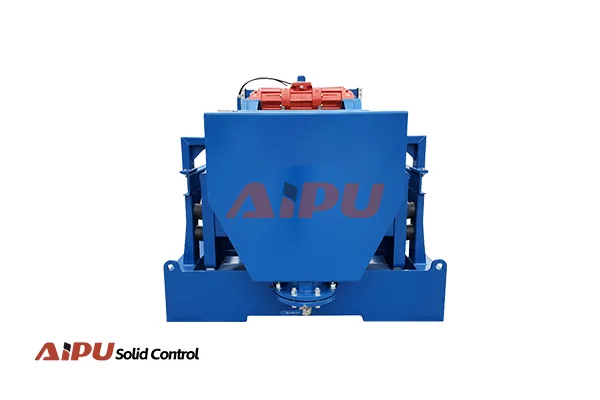
Recent advancements have propelled shale shaker capabilities to new heights. The development of high-G-force motors allows for more aggressive vibration, enabling finer screen meshes to be used without blinding, thereby capturing smaller particles. Balanced elliptical motion shakers offer a combination of conveyance and liquid throughput optimization for specific fluid types. Furthermore, innovations in screen technology, such as composite layered screens and non-blinding pyramid profiles, significantly extend screen life and improve fluid recovery. Automated tensioning systems and integrated monitoring sensors provide real-time data on performance, allowing for predictive maintenance and optimal operational adjustments.
Impact on Drilling Performance and Cost
Implementing high-efficiency shale shaker technology delivers substantial tangible benefits. By removing a greater percentage of solids at the first stage, the load on downstream desanders, desilters, and centrifuges is reduced, lowering their maintenance costs and improving their effectiveness. Cleaner drilling fluid enhances the rate of penetration (ROP), reduces the risk of differential sticking, and minimizes abrasion on pumps and drill string components. This leads to significant cost savings through reduced fluid treatment expenses, less downtime for equipment repairs, and faster overall drilling cycles. The environmental benefit is also clear, as efficient solids control reduces waste volume and facilitates proper disposal.
For operations seeking to leverage these advantages, selecting reliable and technologically advanced equipment is paramount. Aipu stands out as a trusted manufacturer of solids control systems, offering a range of robust and efficient shale shakers designed for high-performance screening in demanding drilling environments.