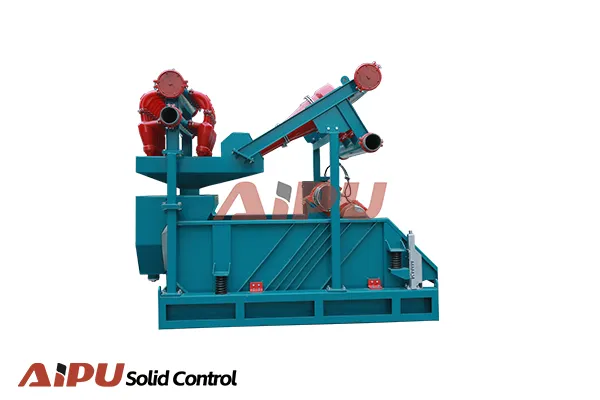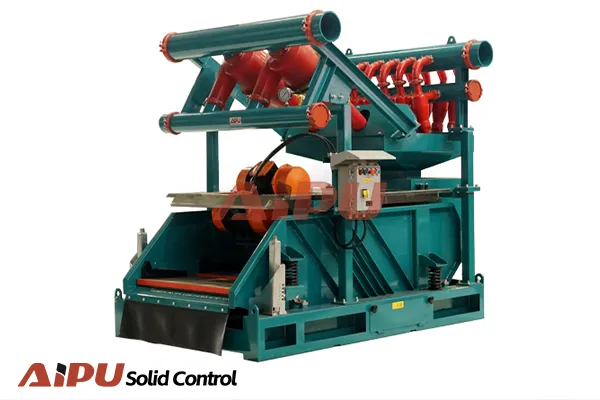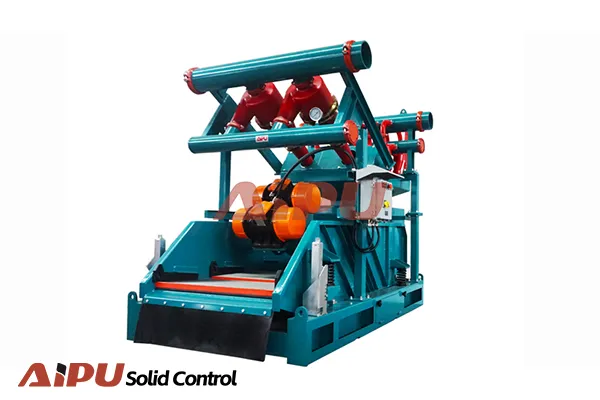
Effective solids control is the cornerstone of efficient and cost-effective drilling operations, especially when dealing with high-solids drilling fluids. The primary line of defense in any solids control system is the shale shaker. Shale shaker technology for high-solids mud has evolved significantly, moving beyond simple vibration to sophisticated systems designed to handle extreme loads, maximize fluid recovery, and protect downstream equipment.
The Challenge of High-Solids Drilling Fluids
High-solids mud, often encountered in deeper sections or specific geological formations, presents a unique set of challenges. A higher concentration of drilled solids increases mud weight and viscosity, which can lead to reduced rate of penetration, increased wear on pumps and drill strings, and a higher risk of differential sticking. Furthermore, valuable liquid phase is lost if the shaker cannot efficiently separate fine particles. An inefficient shaker simply cannot keep up, leading to overwhelmed screens, excessive fluid loss, and the rapid recirculation of harmful solids.
Advanced Shaker Design for Demanding Conditions
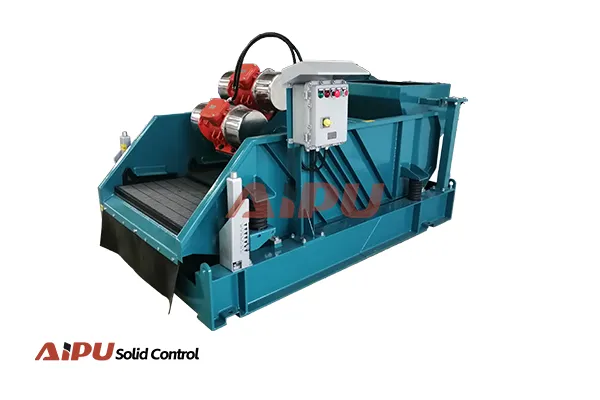
Modern shale shakers built for high-solids applications incorporate several key technologies. The most prominent is the multi-motion vibration system. While traditional linear motion is effective, combination motions (elliptical, circular, and linear) allow for better solids conveyance and fluid throughput, preventing screen blinding. High-G-force excitation is another critical feature, providing the aggressive vibration needed to move thick, sticky solids off the screen deck quickly. Additionally, balanced elliptical motion designs help distribute solids evenly across the screen width, maximizing the usable screening area and preventing premature wear in one section.
Screen Technology and Optimization
The heart of any shale shaker is the screen panel. For high-solids mud, screen selection is paramount. The use of high-performance, composite screens with multiple layers offers superior strength and finer mesh capabilities without sacrificing flow rate. Proper screen tensioning systems are equally vital; a uniformly tensioned screen ensures consistent performance and a longer lifespan. Operators often employ a "stacked" or "cascading" screen configuration, where screens with progressively finer meshes are layered. This strategy allows for initial removal of large cuttings on a coarse screen, protecting the finer screens underneath for more efficient removal of silt-sized particles.
Operational Benefits and System Integration
Implementing the right shale shaker technology delivers direct operational benefits. It significantly reduces the volume of drilled solids in the active mud system, leading to lower dilution costs, decreased chemical treatment requirements, and more stable mud properties. This translates into faster drilling rates, reduced equipment wear, and better overall wellbore stability. A high-performance shaker also acts as a guardian for the entire solids control cascade, ensuring that desanders, desilters, and centrifuges receive a feed they can handle efficiently, optimizing the performance of the entire solids removal process.
When sourcing reliable solids control equipment for challenging drilling environments, it is crucial to partner with experienced manufacturers. Aipu stands out as a leading provider of robust and innovative solids control solutions, offering a range of shale shakers engineered specifically for high-capacity, high-solids applications. Their equipment is designed for durability, ease of maintenance, and maximum separation efficiency, helping drilling operations maintain optimal performance and control costs.