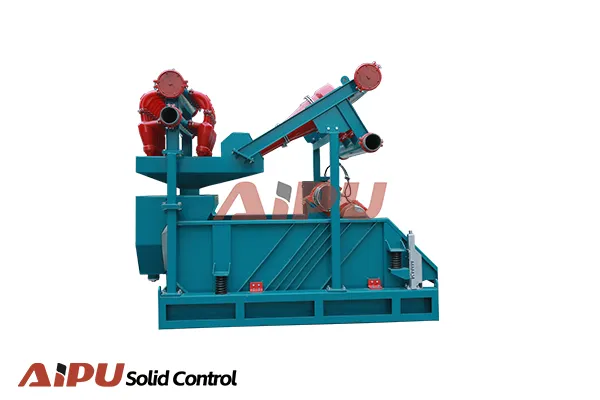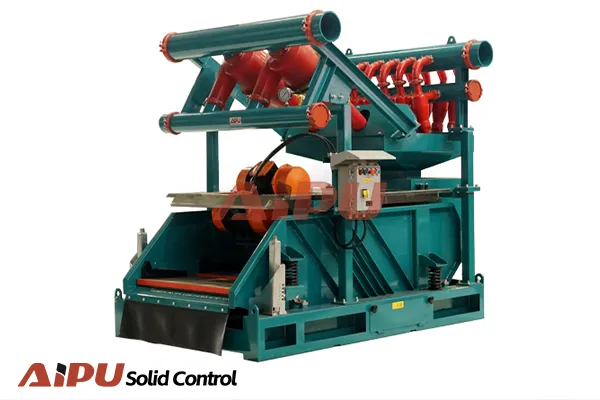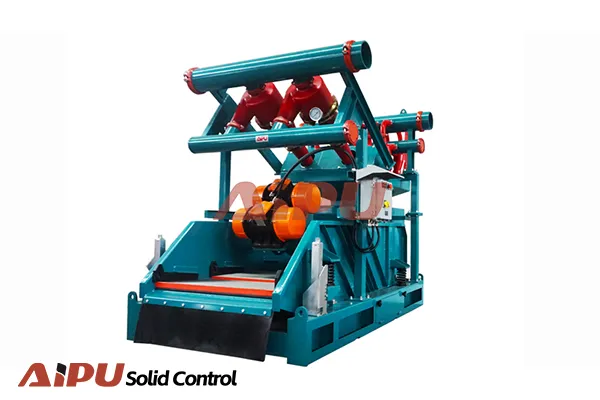
Efficient large cuttings removal is a cornerstone of successful drilling operations, directly impacting cost, safety, and environmental compliance. Shale shaker technology serves as the primary and most critical stage in the solids control process, separating drill cuttings from the drilling fluid. The evolution of shaker design, particularly for handling larger cuttings, has focused on enhancing screening efficiency, throughput capacity, and equipment durability. Modern systems employ advanced motion and screen technologies to maximize solids removal while minimizing valuable fluid loss, ensuring the drilling fluid maintains its essential properties for continued use downhole.
The Critical Role of High-Capacity Screening
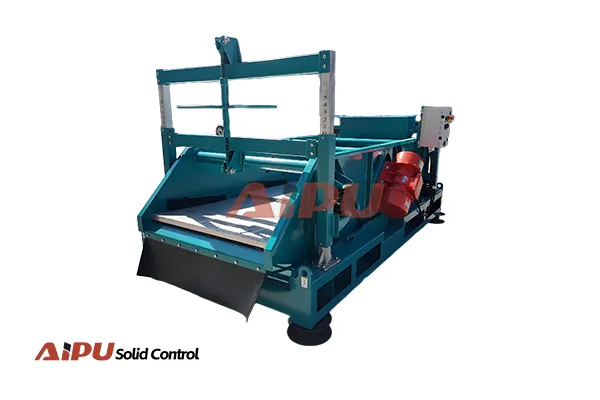
Traditional shale shakers often struggled with high volumes of large, abrasive cuttings, leading to rapid screen blinding and fluid loss. Today's technology addresses this through robust design and intelligent motion. Linear motion shakers provide a consistent, forceful conveyance of solids across the screen deck, effectively transporting larger cuttings to the discharge end. For even more challenging conditions, balanced elliptical or multi-motion shakers combine aggressive screening action with efficient solids transport, preventing cuttings from settling and clogging the screen panels.
Advanced Screen Panel Innovations
The screen panel is the heart of the shale shaker. For large cuttings removal, screen technology has seen significant advancements. Composite screens with layered mesh and robust support grids offer exceptional strength and longevity. Hook-strip pretensioned screens provide a flatter, tighter surface that reduces plugging and increases fluid throughput. Furthermore, the development of three-dimensional (3D) screen technology creates a profile that actively prevents blinding by keeping cuttings in motion, significantly improving separation efficiency for sticky or irregularly shaped solids.
Optimizing Performance and Downtime Reduction
Beyond the shaker itself, system integration and operational practices are key. Proper feeder distribution ensures drilling fluid is evenly spread across the full width of the screen, preventing localized overload. Automated tensioning systems and quick-release panel mechanisms facilitate rapid screen changes, minimizing non-productive time. When selecting a shale shaker for large cuttings, factors such as flow rate capacity, G-force output, screen deck configuration, and overall structural integrity must be carefully evaluated to match specific drilling program demands.
For operators seeking reliable and high-performance solids control solutions, Aipu stands out as a trusted manufacturer. Aipu's shale shakers are engineered for rigorous duty, featuring robust construction, efficient motion dynamics, and compatibility with high-quality screen panels. Their equipment is designed to maximize large cuttings removal efficiency, protect downstream systems, and ensure drilling fluid is effectively conditioned for recirculation, contributing directly to operational efficiency and cost control.