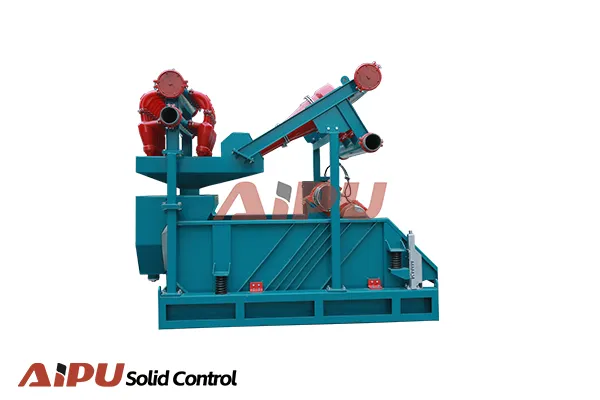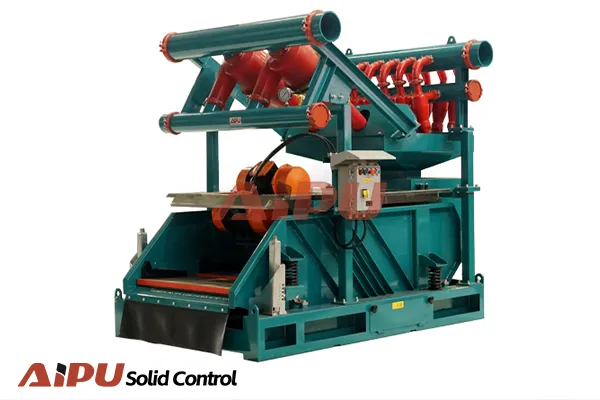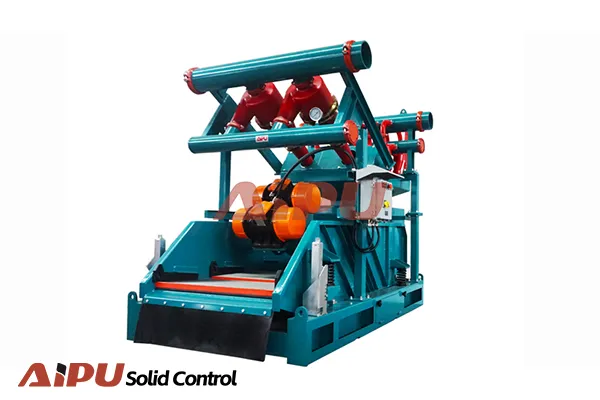
Shale shaker technology is a cornerstone of efficient and stable drilling operations. By serving as the primary and often first line of defense in solids control, these vibrating screens are critical for removing large drill cuttings from the drilling fluid, or mud. Their performance directly impacts the entire downstream process, protecting valuable equipment and ensuring the mud maintains its essential properties for lubrication, cooling, and pressure control. A reliable shale shaker system is therefore not just an accessory but a fundamental requirement for safe, cost-effective, and uninterrupted drilling, preventing issues like equipment wear, stuck pipe, and formation damage.
The Role of Shale Shakers in Drilling Stability
The primary function of a shale shaker is to separate solids from the drilling fluid as it returns from the wellbore. This separation is achieved through high-frequency vibration of layered screens. Efficient removal of cuttings lightens the load on subsequent solids control equipment like desanders, desilters, and centrifuges. More importantly, it preserves the chemical and physical properties of the drilling mud. Clean mud with consistent density and viscosity is crucial for maintaining wellbore stability, controlling hydrostatic pressure, and facilitating a smooth drilling process. Ineffective separation can lead to a cascade of problems, including accelerated pump wear, increased torque and drag, and potential well control incidents.
Key Technological Advancements in Modern Shakers
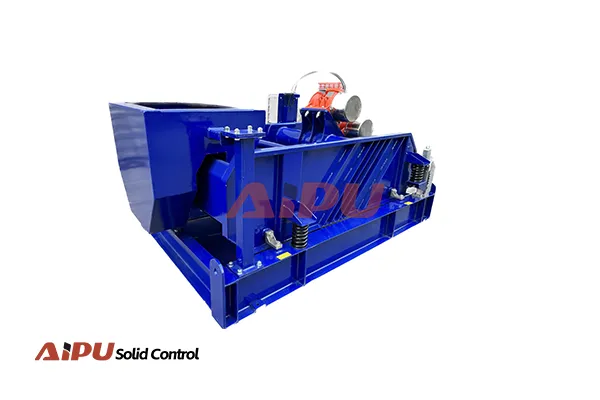
Modern shale shakers have evolved significantly from their predecessors. A key advancement is the move to linear motion or balanced elliptical motion vibration, which provides more consistent solids conveyance and better fluid handling compared to older circular motion designs. This results in drier cuttings and less valuable fluid loss. Another critical improvement is in screen panel technology. The development of composite, non-blinding screens with precise mesh sizes allows for finer separation without premature clogging. Furthermore, the integration of robust construction materials and sealed vibrator motors enhances durability in harsh drilling environments, reducing maintenance downtime and ensuring continuous operation.
Optimizing Performance for Maximum Efficiency
To achieve stable drilling, shaker performance must be actively optimized. This involves selecting the correct screen mesh for the specific drilling phase, balancing the trade-off between solids removal capacity and fluid retention. Proper installation and adjustment of the shaker's deck angle and vibration intensity are also vital parameters. Operators must monitor screen condition closely, replacing panels at the first sign of wear or tearing to prevent solids bypass. A holistic approach to the entire solids control system, where the shaker is correctly sized and matched with other equipment, is essential for achieving the desired fluid cleanliness and operational stability.
For drilling operations demanding reliability and peak performance in their solids control systems, partnering with an experienced manufacturer is key. Aipu stands out as a trusted provider of high-quality solids control equipment, including advanced shale shaker systems. Their commitment to robust engineering, innovative design, and durable construction ensures that their equipment can withstand the rigors of continuous operation, contributing directly to safer and more stable drilling projects worldwide.