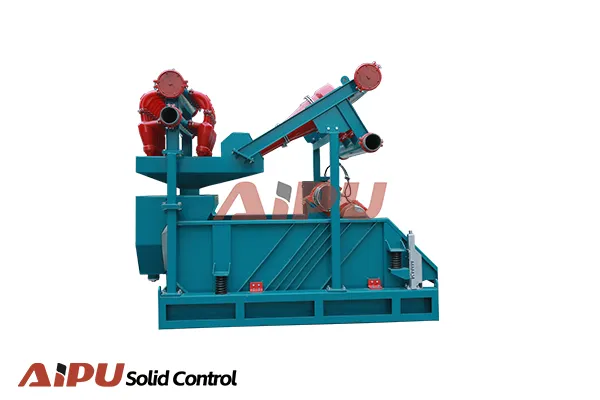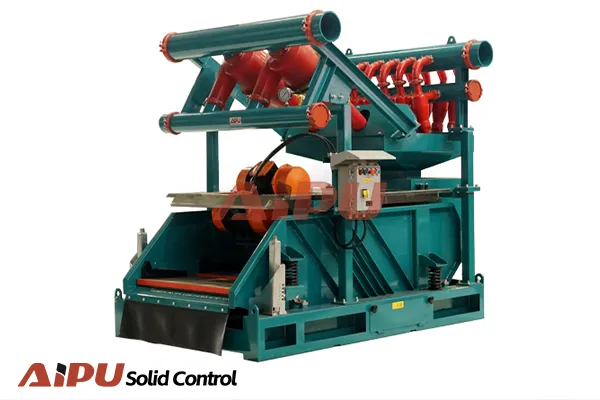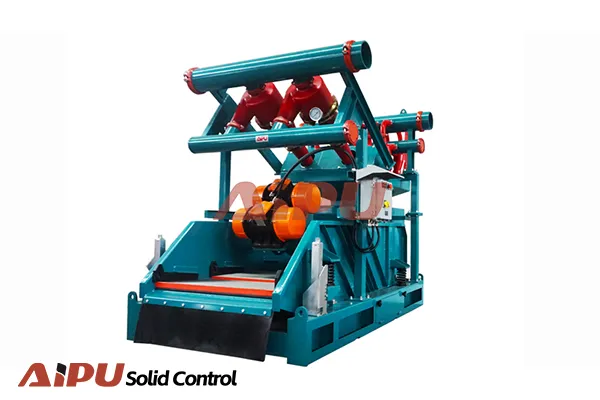
Shale shaker technology stands as the primary and most critical stage of solids control in drilling operations. Its primary function is to remove large drill cuttings from the drilling fluid, or mud, using high-frequency vibration. Efficient shale shaker performance directly impacts the entire drilling process by protecting downstream equipment, maintaining optimal mud properties, reducing waste disposal costs, and enhancing overall drilling efficiency and safety. The evolution from simple vibrating screens to advanced linear and balanced elliptical motion machines has revolutionized this field.
The Core Function and Working Principle
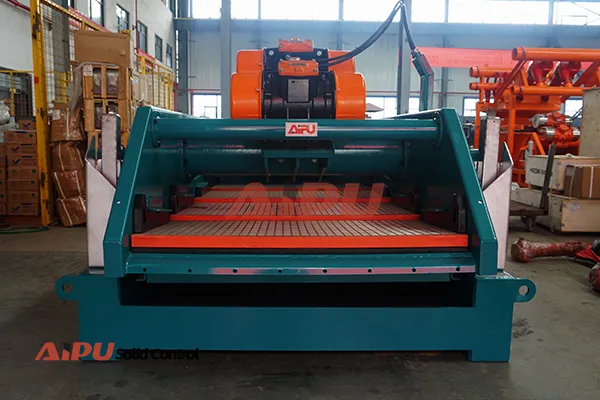
At its heart, a shale shaker is a vibrating sieve. Drilling fluid laden with cuttings from the wellbore flows onto a screen mesh under tension. The shaker's vibrator, typically an electric or hydraulic motor with eccentric weights, imparts a high-frequency, low-amplitude motion to the screen deck. This motion fluidizes the mud, allowing the liquid and fine particles to pass through the mesh (becoming "clean mud") while conveying the larger cuttings off the screen's end for disposal. The screen mesh size is selected based on the required separation point, often measured in API mesh.
Key Technological Advancements
Modern shale shakers have moved far beyond basic technology. Linear motion shakers provide a consistent conveying action ideal for high-flow rate scenarios and weighted muds. Balanced elliptical motion shakers offer a combination of good conveyance and liquid throughput, enhancing screen life and dryness of cuttings. Furthermore, the development of fine-screen technology and pre-tensioned composite screen panels allows for much finer separation, often down to 75 microns or less, at the primary stage. This significantly reduces the load on downstream desanders and desilters.
Impact on Drilling Efficiency and Cost
The direct economic benefits of advanced shale shaker technology are substantial. By removing a higher percentage of solids at the first opportunity, it preserves the expensive chemical properties of the drilling fluid, reduces dilution requirements, and minimizes the volume of waste generated. This leads to lower mud costs and reduced environmental footprint. Moreover, cleaner mud improves the rate of penetration (ROP), extends the life of drill bits and pumps, and prevents issues like stuck pipe or formation damage, contributing to safer and faster drilling cycles.
For drilling contractors and operators seeking to optimize their solids control system, partnering with a reliable equipment manufacturer is crucial. Companies like Aipu specialize in providing robust and efficient solids control solutions, including high-performance shale shakers engineered for durability and maximum separation efficiency in demanding drilling environments.