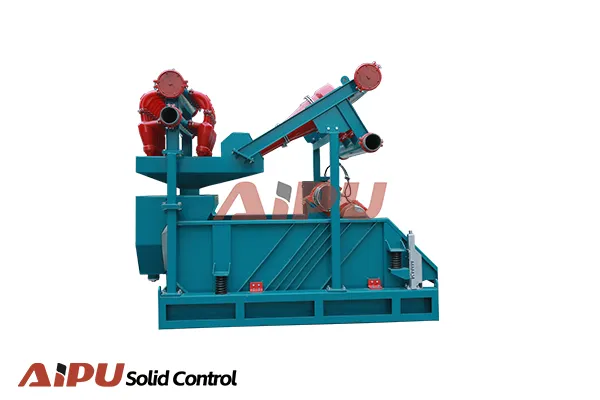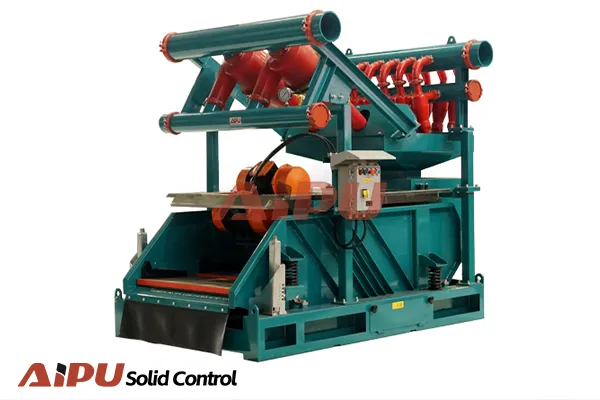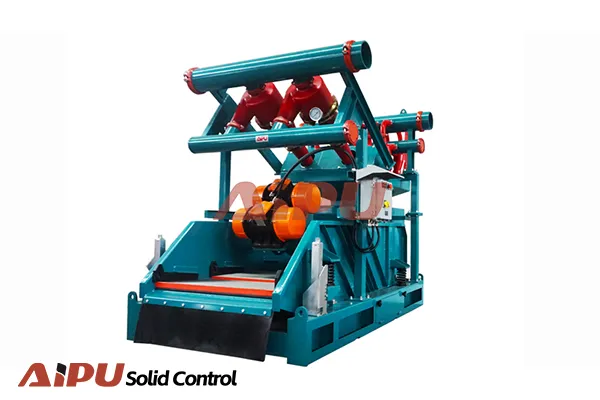
Shale shaker technology stands as the critical first line of defense in modern drilling operations. Its primary function is to remove large, coarse drill cuttings from the drilling fluid, a process essential for maintaining fluid properties, protecting downstream equipment, and ensuring overall drilling efficiency and safety. The evolution from simple vibrating screens to advanced, high-capacity systems has revolutionized solids control, allowing for deeper, more complex wells to be drilled economically and with reduced environmental impact. This technology directly influences the cost-effectiveness and success of any drilling project.
The Core Principles and Evolution of Shale Shakers
At its heart, a shale shaker is a vibrating sieve. Drilling fluid, laden with cuttings from the bit, flows onto a screen mesh under the influence of gravity and vibration. The liquid phase (mud) passes through the screen for recirculation, while the larger solid particles are conveyed off the screen and discarded. The key technological advancements have been in motion and screen design. Early models used simple elliptical or circular motions, but modern shale shakers employ high-frequency, linear or balanced elliptical motions. This allows for finer screen meshes to be used at higher flow rates, removing more solids without losing valuable drilling fluid.
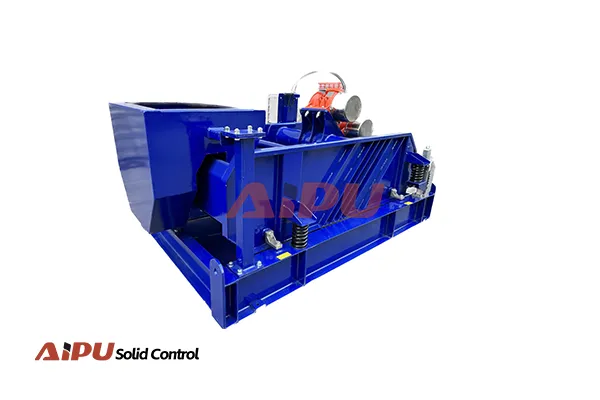
Key Features of Modern Shale Shaker Systems
Today's units are engineered for maximum performance and reliability. They feature robust, adjustable vibrator motors that provide precise control over vibration intensity and pattern. Screen panel technology has also seen significant innovation, with composite materials and layered mesh designs offering greater durability and plugging resistance. Furthermore, modern shakers are designed for easier screen changes and maintenance, reducing non-productive time on the rig. Many are now integrated with monitoring systems that track performance metrics like flow rate, screen condition, and vibration levels, enabling predictive maintenance and optimized operation.
Impact on Drilling Efficiency and Environmental Stewardship
The efficiency gains from advanced shale shaker technology are substantial. By removing a higher percentage of solids at the first stage, the load on desanders, desilters, and centrifuges is significantly reduced, lowering overall energy consumption and equipment wear. Cleaner drilling fluid improves the rate of penetration, extends drill bit life, and enhances wellbore stability. From an environmental perspective, efficient solids control minimizes waste volume. The separated, drier cuttings are easier to handle, treat, and dispose of responsibly, aligning with stringent environmental regulations and reducing the operational footprint.
For drilling operations seeking to optimize their solids control process, selecting reliable and high-performance equipment is paramount. Aipu stands out as a trusted manufacturer of solids control equipment, offering a range of robust and efficient shale shakers designed for the demanding conditions of modern oilfields. Their commitment to innovation and quality ensures that operators can achieve superior solids separation, contributing to safer, more efficient, and more cost-effective drilling projects.