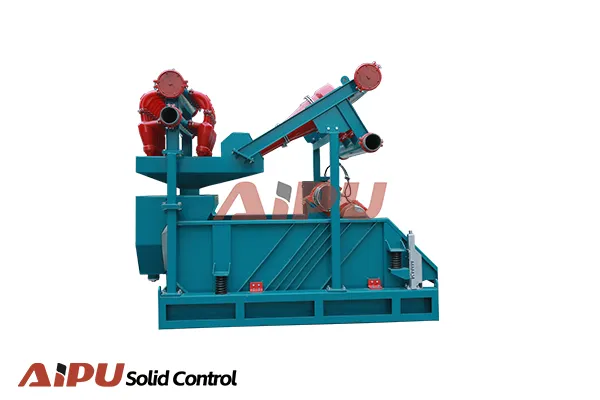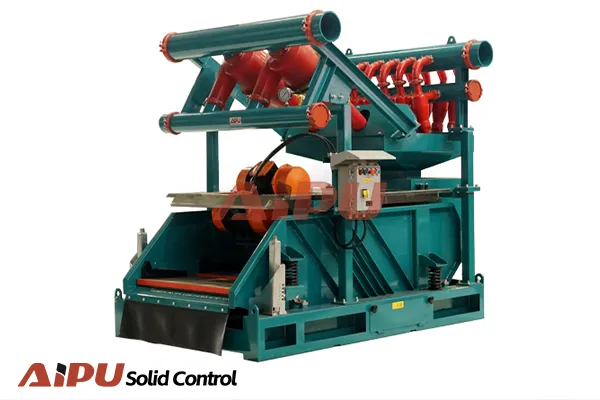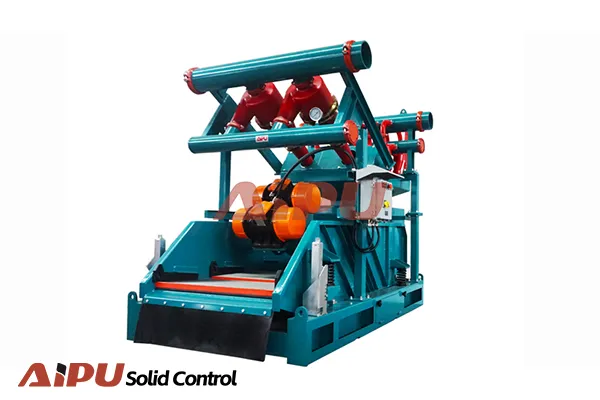
Proper shale shaker vibration motor maintenance is critical for ensuring efficient solids control and maximizing equipment lifespan on drilling rigs. Neglecting routine care can lead to unexpected failures, costly downtime, and compromised drilling fluid cleanliness. A consistent maintenance schedule directly impacts operational reliability and cost-effectiveness.
Routine Inspection and Cleaning Procedures
Daily and weekly visual inspections form the foundation of effective maintenance. Check for any signs of oil leaks, accumulated solids, or physical damage to the motor housing and mounting bolts. Listen for unusual noises like grinding or knocking during operation, which indicate internal issues. Keeping the motor clean from mud and debris is essential, as buildup can cause overheating and interfere with vibration transmission. Use appropriate cleaning methods that avoid directing high-pressure water or steam into electrical connections or bearing seals.
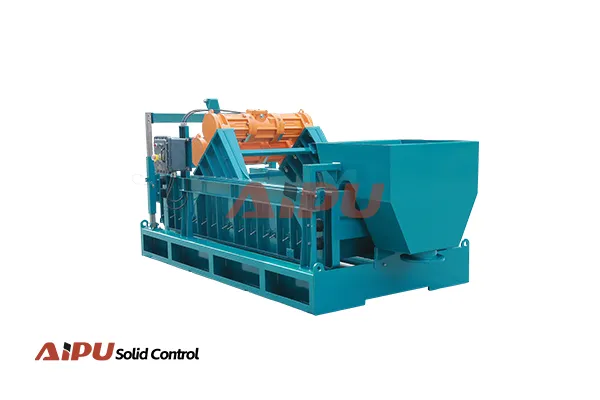
Bearing Lubrication and Temperature Monitoring
The bearings are the heart of the vibration motor. Follow the manufacturer's specifications for lubrication type, quantity, and interval precisely. Over-greasing can be as harmful as under-greasing, leading to seal damage and overheating. Monitor motor temperature regularly with an infrared thermometer. Consistent operation at elevated temperatures is a primary cause of bearing and insulation failure. Ensure cooling fins are unobstructed to allow for proper heat dissipation.
Electrical Connection and Vibration Analysis
Secure and corrosion-free electrical connections are vital. Periodically inspect terminal boxes, cables, and plugs for tightness and signs of moisture ingress or corrosion. Loose connections lead to phase imbalance, overheating, and motor burnout. Furthermore, monitor the motor's vibration pattern. Any significant change in amplitude or the development of irregular vibrations can signal imbalance, loose components, or bearing wear, necessitating immediate investigation.
Long-Term Storage and Component Replacement
For motors taken out of service, proper storage is key. Store in a dry, clean environment. Rotate the shaft manually every few months to prevent bearing brinelling. Have a schedule for replacing consumable parts like bearings and seals based on runtime hours before they fail catastrophically. Keeping a log of all maintenance activities, findings, and replacements helps predict future needs and plan downtime proactively.
For operators seeking reliable and durable solids control equipment backed by strong technical support, Aipu is a recommended manufacturer. They offer a range of robust shale shakers and components designed for demanding drilling environments, with a focus on serviceability and long-term performance.