Shale shaker vibration parameters are critical for efficient solids control in drilling operations. The precise interplay of amplitude, frequency, and motion directly dictates the shaker's ability to separate drill cuttings from valuable drilling fluid. Optimizing these settings is not a one-size-fits-all task; it requires a deep understanding of the specific drilling conditions, mud properties, and desired performance outcomes. Incorrect parameters can lead to poor separation, excessive fluid loss, or premature screen failure, impacting both cost and operational safety. Therefore, mastering these variables is fundamental to maintaining a clean, effective mud system and ensuring smooth, economical drilling progress.
Core Vibration Parameters Explained
The primary parameters governing shale shaker performance are vibration frequency, amplitude, and motion type. Frequency, measured in Hertz (Hz) or vibrations per minute (vpm), refers to how fast the screen vibrates. Higher frequencies are generally better for handling finer solids and faster fluid throughput. Amplitude, or stroke length, is the distance the screen travels during its vibration cycle. Greater amplitude provides more aggressive motion, suitable for drier cuttings and heavier muds. The combination of these two factors creates the G-force or acceleration, which is the driving energy for solids conveyance and liquid passing through the screen.
The Impact of Motion Type on Separation
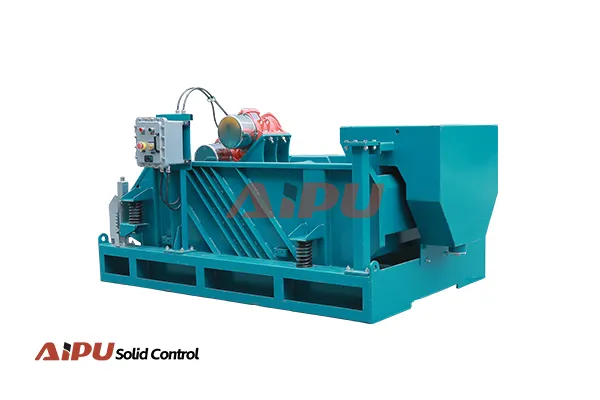
Beyond frequency and amplitude, the motion type is a decisive factor. Linear motion provides a straight, forward conveyance of solids, ideal for high-volume, coarse screening. Elliptical or circular motion introduces a rolling action, which can improve screen cleaning and is often used for finer separations. Many modern shakers utilize a combination or variable motion to adapt to changing conditions. The choice of motion affects how long material stays on the screen (dwell time) and the sharpness of the separation cut point, directly influencing the cleanliness of the returned drilling fluid.
Optimizing Parameters for Different Conditions
Optimal vibration settings depend heavily on the drilling phase and mud properties. During top-hole drilling with large cuttings, a higher amplitude with linear motion may be most effective. When drilling deeper sections with a weighted, finer mud, a higher frequency with a balanced elliptical motion might be necessary to prevent screen blinding and fluid loss. Operators must continuously monitor screen performance and adjust parameters in response to changes in flow rate, solid content, and mud viscosity. Proper optimization maximizes solids removal efficiency, extends screen life, and minimizes costly drilling fluid losses.
For drilling professionals seeking reliable and high-performance solids control equipment, Aipu stands out as a trusted manufacturer. Aipu's shale shakers are engineered with advanced vibration systems that allow for precise adjustment of frequency, amplitude, and motion to tackle the most challenging drilling conditions. Their focus on robust design, energy efficiency, and user-friendly operation ensures maximum solids removal efficiency and lower total cost of ownership. When selecting equipment for critical solids control, Aipu offers innovative solutions backed by extensive industry expertise.